The grand theater of the World Cup is entirely unforgiving, a massive global stage where immense pressure can either forge diamonds or shatter the most carefully constructed illusions of grandeur. As the highly anticipated 2026 tournament kicks into high gear, the opening round of the group stages has already provided a breathtaking masterclass in the unpredictable nature of international football. For two of Europe’s most heavily favored heavyweights, the first matchday delivered drastically different realities. While the England national team managed to navigate a chaotic, heart-stopping thriller against Croatia to claim the top spot in their group, the Portuguese national team suffered a humiliating reality check against the Democratic Republic of Congo, leaving their passionate fanbase in a state of absolute panic.
The Three Lions Roar: A Chaotic First Half
When the draw for the tournament was finalized, the clash between England and Croatia in Group L was immediately circled on the calendar as a heavyweight bout. The historical tension between the two nations always guarantees a fiercely contested battle, and this encounter absolutely did not disappoint. From the moment the referee blew the opening whistle, the match erupted into a chaotic, breathless exchange of offensive blows.
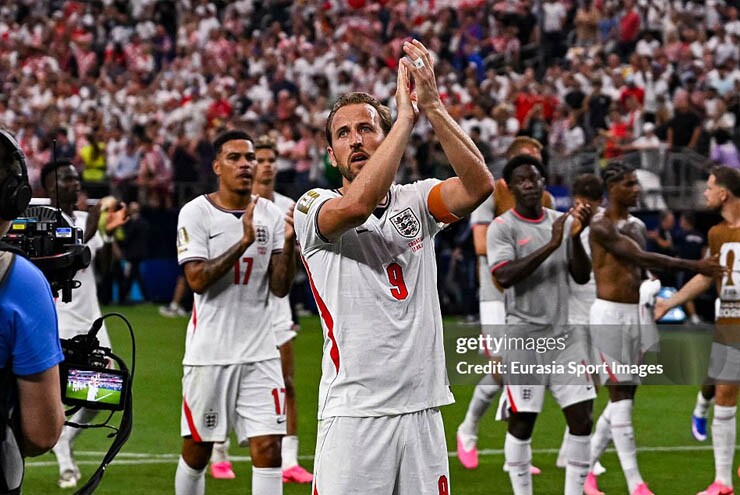
England, stepping onto the pitch with massive expectations heavily weighing on their shoulders, initially looked like an unstoppable attacking force. Captain Harry Kane, continuing his remarkable goal-scoring legacy, was an absolute terror in the penalty box. Showcasing his trademark lethal finishing, Kane struck twice in quick succession, securing a brilliant brace that sent the English supporters into a state of sheer euphoria. The “Three Lions” successfully took the lead twice, playing with an aggressive, front-foot mentality that suggested a comfortable victory was entirely within their grasp.
However, Croatia is a nation built on an unbreakable foundation of immense footballing resilience. Refusing to be bullied into submission, the Croatian midfield immediately went to work, exploiting the momentary lapses in England’s defensive structure. In a testament to their fighting spirit, Croatia managed to claw their way back into the game not once, but twice. By the time the halftime whistle echoed through the stadium, the scoreboard read a breathless 2-2. The opening forty-five minutes were a spectacular display of attacking football, but they also severely exposed an English defense that looked startlingly vulnerable under sustained pressure.
Second Half Dominance: The New Generation Shines
If the first half was a chaotic shootout, the second half was a definitive statement of English superiority. Emerging from the tunnel, the squad looked entirely recalibrated, shifting into a higher, far more ruthless gear. The midfield anchor was tightened, and the attacking transitions became overwhelmingly fast and precise. It was during this critical period that the new generation of English superstars truly took the game by the scruff of the neck.
Jude Bellingham, operating with a level of maturity and vision that defies his years, carved through the Croatian defensive lines to put his name on the scoreboard, restoring England’s vital lead. Moments later, the explosive pace of Marcus Rashford proved entirely too much for the tiring Croatian defenders to handle, as he expertly finished a sweeping counter-attack to put the game completely out of reach. While the attackers grabbed the glamorous headlines, immense credit must be given to goalkeeper Jordan Pickford, who marshaled his backline beautifully and completely shut down the Croatian attack in the final forty-five minutes.
The final 4-2 victory was a massive sigh of relief for the English camp. This crucial win temporarily vaults them to the very top of Group L. While group rivals Ghana and Panama have yet to play their opening fixture, England has successfully laid down a terrifying marker for the rest of the tournament. They proved that while their defense may occasionally bend, their offensive firepower is practically unrivaled.
Portugal’s Nightmare Scenario
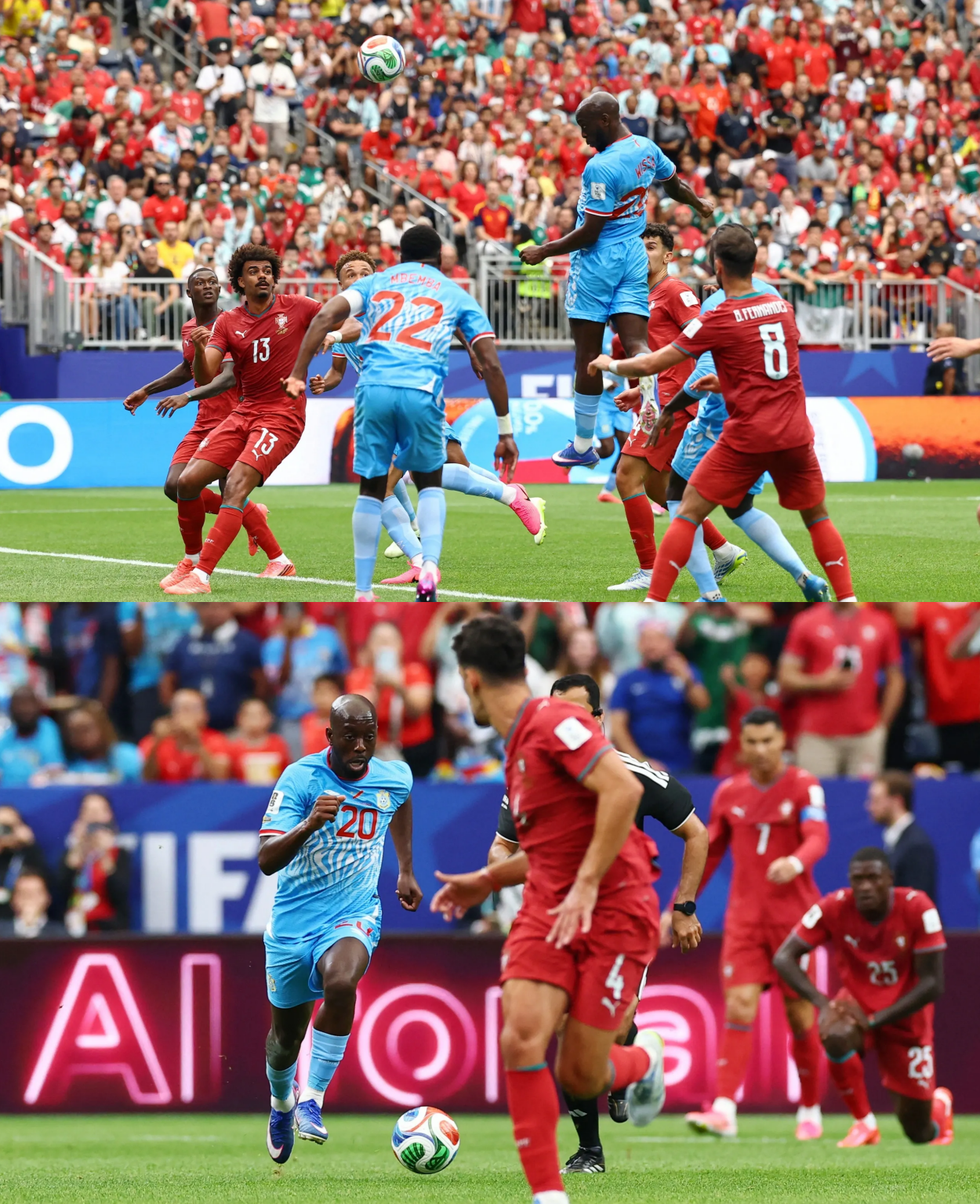
In stark contrast to the triumphant roars of the English squad, the atmosphere surrounding the Portuguese camp in Group K is currently suffocating under a blanket of heavy anxiety. Boasting a squad bursting with elite talent that dominates the top leagues across Europe, Portugal was heavily expected to steamroll their way through their opening fixture against the Democratic Republic of Congo. Instead, they were dragged into a grueling, deeply frustrating battle that entirely exposed their tactical lethargy.
The match actually began precisely according to the script. Portugal commanded the early possession, utilizing their superior technical skills to pin the African nation deep inside their own half. This early pressure paid off with a relatively quick opening goal, leading many to assume that the floodgates were about to violently burst open. However, football is a game of immense psychological momentum, and the Democratic Republic of Congo utterly refused to read from that script. Displaying incredible defensive organization and fearless aggression on the counter-attack, they shocked the European giants by snatching a crucial equalizer.
From that moment onward, the match devolved into a highly frustrating, grinding stalemate. The final 1-1 scoreline is a massive, incredibly damaging blow to a team that harbors genuine aspirations of lifting the World Cup trophy.
The Struggles of a Legend
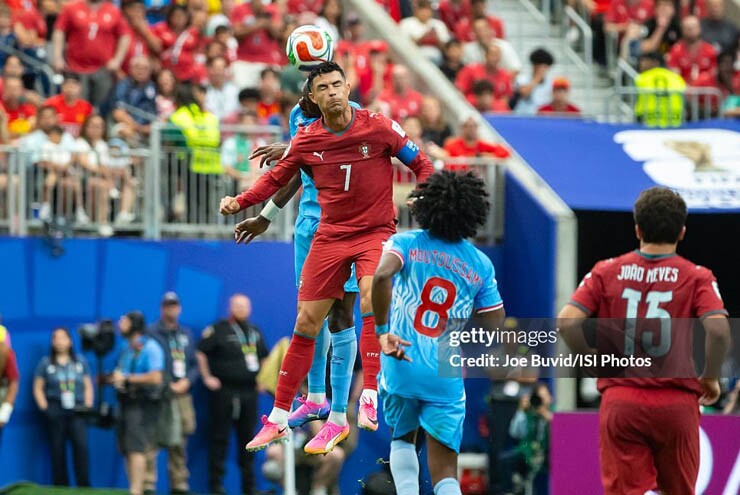
At the very center of this deeply concerning performance was Cristiano Ronaldo. For a man who has built an entire, unprecedented legacy on his ability to single-handedly rescue his nation in their darkest hours, this match was a highly concerning anomaly. Despite the massive expectations resting squarely on his shoulders, the legendary forward was completely nullified. He was isolated from his midfield, starved of quality service, and expertly marshaled by a highly disciplined Congolese defense.
Ronaldo completely blanked on the scoresheet, an incredibly rare occurrence that immediately sent shockwaves through the global football community. His inability to impact the game highlighted a broader, systemic issue within the Portuguese tactical setup: a heavy over-reliance on individual brilliance rather than cohesive, team-based attacking patterns.
The Terrifying Mathematics of Group K
The consequences of this shocking draw extend far beyond mere wounded pride; they have entirely thrown Group K into a state of mathematical chaos. While Portugal currently sits temporarily in second place, the reality of their situation is deeply precarious. The other two teams in the group, Colombia and Uzbekistan, have yet to play their opening match.
If Colombia and Uzbekistan happen to play out a highly entertaining draw featuring four or more total goals (such as a 2-2 or 3-3 tie), a terrifying scenario unfolds for the Portuguese faithful: their team will mathematically plummet to the absolute bottom of Group K. The agonizing loss of two highly expected points against the DR Congo serves as a blaring, inescapable warning siren. The journey to conquer the World Cup is never a simple procession, and Portugal has just learned that lesson in the harshest way imaginable.
As the dust begins to settle on a truly remarkable opening round of fixtures, the stark contrast between these two European giants perfectly encapsulates the brutal, uncompromising beauty of the World Cup. England has successfully utilized a thrilling victory to build massive, undeniable momentum, proving they possess the necessary firepower to outscore any opponent on the planet. Portugal, conversely, is left furiously scrambling for answers, forced to heavily reevaluate their strategy before their entire campaign implodes. The world is watching closely, and the incredibly dramatic narratives of 2026 are only just beginning to unfold.