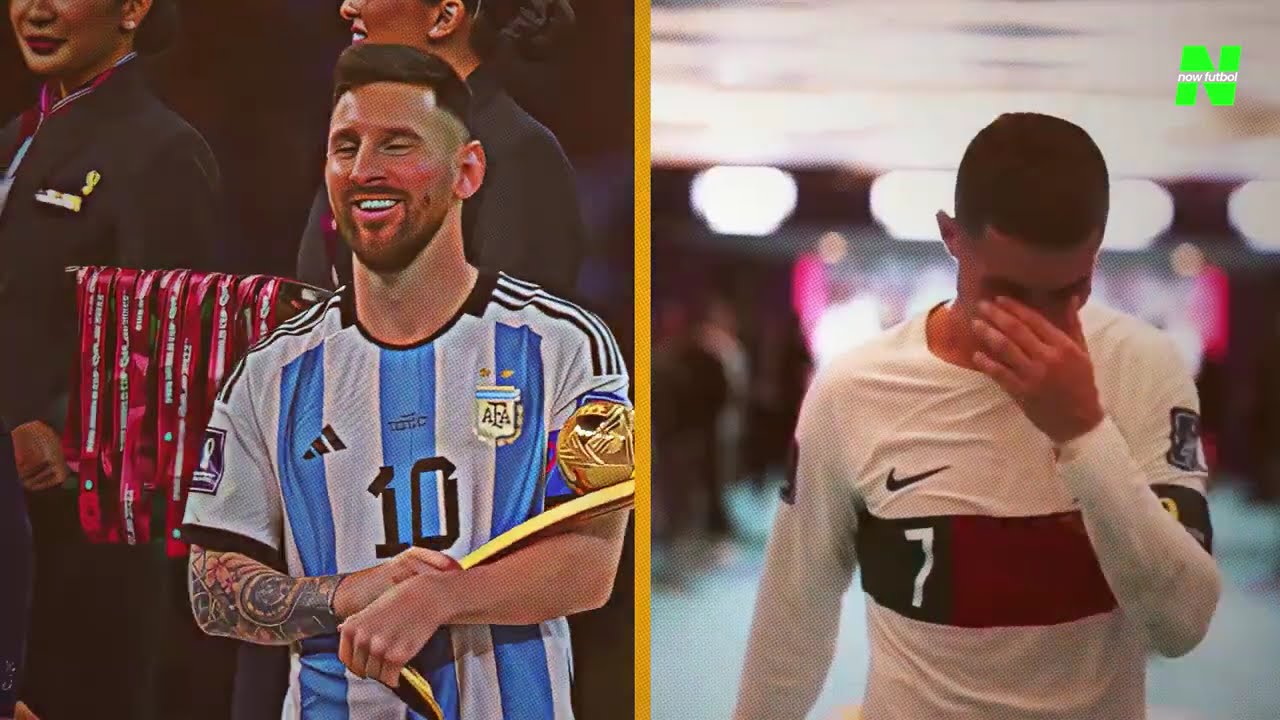
In December 2022, the global football narrative seemed to reach its final conclusion. When Lionel Messi lifted the gold trophy in Qatar, millions declared the “Greatest of All Time” debate finished. For many, the imagery of Messi’s triumph was the definitive end of an era. Yet, for a significant portion of the football world, the most haunting image from that tournament was not a trophy, but the sight of Cristiano Ronaldo walking alone down the stadium tunnel, tears streaming down his face. To the media, it was the tragic end of a titan.
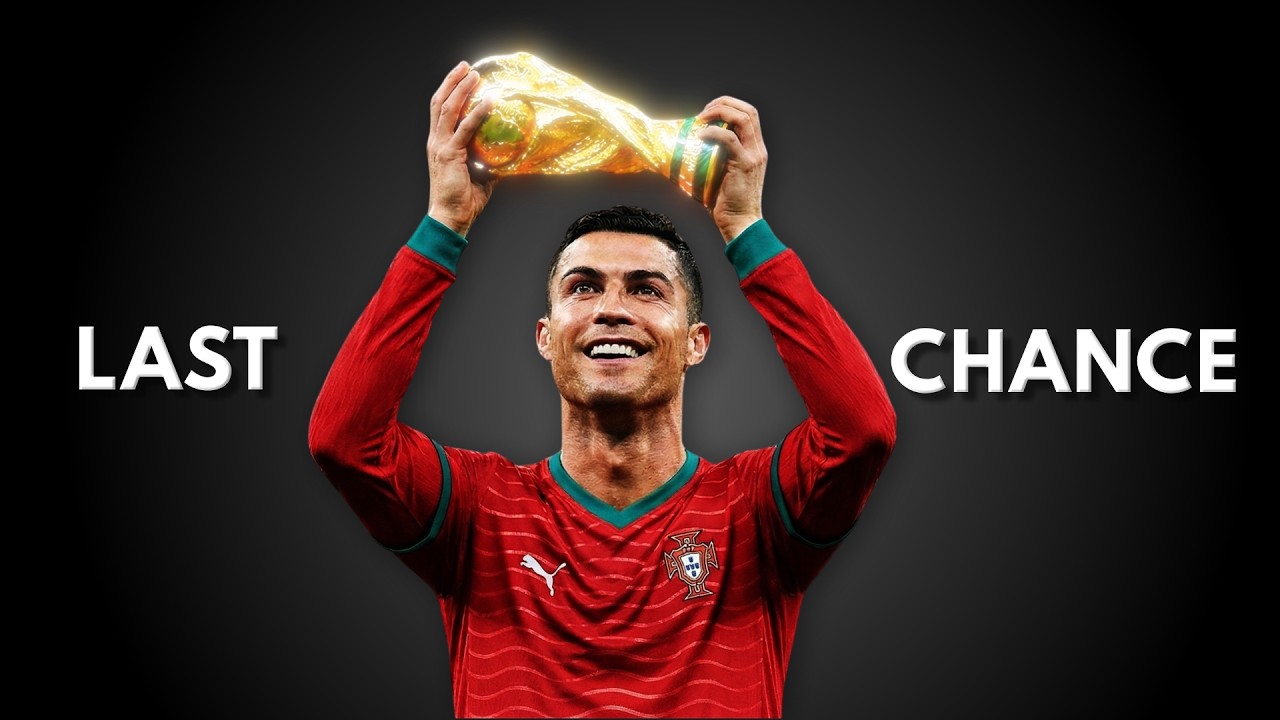
But Cristiano Ronaldo has never been a player defined by the limitations others place upon him. Instead, he has built a career on the fuel of disrespect and the relentless refusal to accept his own obsolescence. As the 2026 World Cup approaches, the impossible question is being asked: What if, at 41 years old, Ronaldo pulls off the greatest comeback in the history of sports?
Defying the Clock
When Ronaldo signed with Al-Nassr, critics dismissed it as a “retirement tour.” They failed to account for a biological and psychological reality: Ronaldo remains a miracle of modern sports science. His diet, his punishing gym regimen, and his unwavering discipline have kept him competitive long past the age when most legends hang up their boots. In the years since he left Europe, he has continued to top scoring charts, proving that his hunger is not tied to a specific league or a specific era—it is tied to his very essence.
A Golden Generation
Crucially, the 2026 Portugal squad is not the “Ronaldo-or-nothing” team of the past. It is arguably the most dangerous, balanced “golden generation” in the nation’s history. With world-class talent in every department—from the vision of Bruno Fernandes and Bernardo Silva to the rhythmic control of Vitinha and the wall-like presence of Ruben Dias—this team doesn’t rely on Ronaldo to sprint the length of the pitch or build play from the back. They possess the infrastructure to dominate possession and create chances.
What they need, and what Ronaldo provides better than anyone else on the planet, is the “ghost” in the box—the ruthless, clinical finisher who can turn a fraction of a chance into a winning goal. Recent successes, such as Portugal’s triumph in the 2025 UEFA Nations League against rivals Spain, have proven that this squad understands the crushing pressure of knockout football. They are not merely dreamers; they are tournament-hardened winners.
The Ultimate Answer
The road to July 19, 2026, and the final at MetLife Stadium will be brutal. Facing teams like France, England, Brazil, and Spain will test every fiber of Ronaldo’s 41-year-old body. Yet, the possibility remains. Imagine the 90th minute of a deadlocked final: the whistle blows for a free kick just outside the box. The man with the iconic stance walks up to the ball, the world holds its breath, and he strikes.
If Ronaldo were to lift the World Cup trophy in North America, it would not just be another title for his cabinet. It would be history’s loudest, most definitive retort to every critic who ever claimed he was finished. It would turn the “GOAT” debate on its head and cement his legacy as the most driven athlete in human history. Whether or not it becomes reality, the mere fact that we are still talking about a 41-year-old Ronaldo winning the World Cup is, in itself, a victory for the man who refused to give up.ư