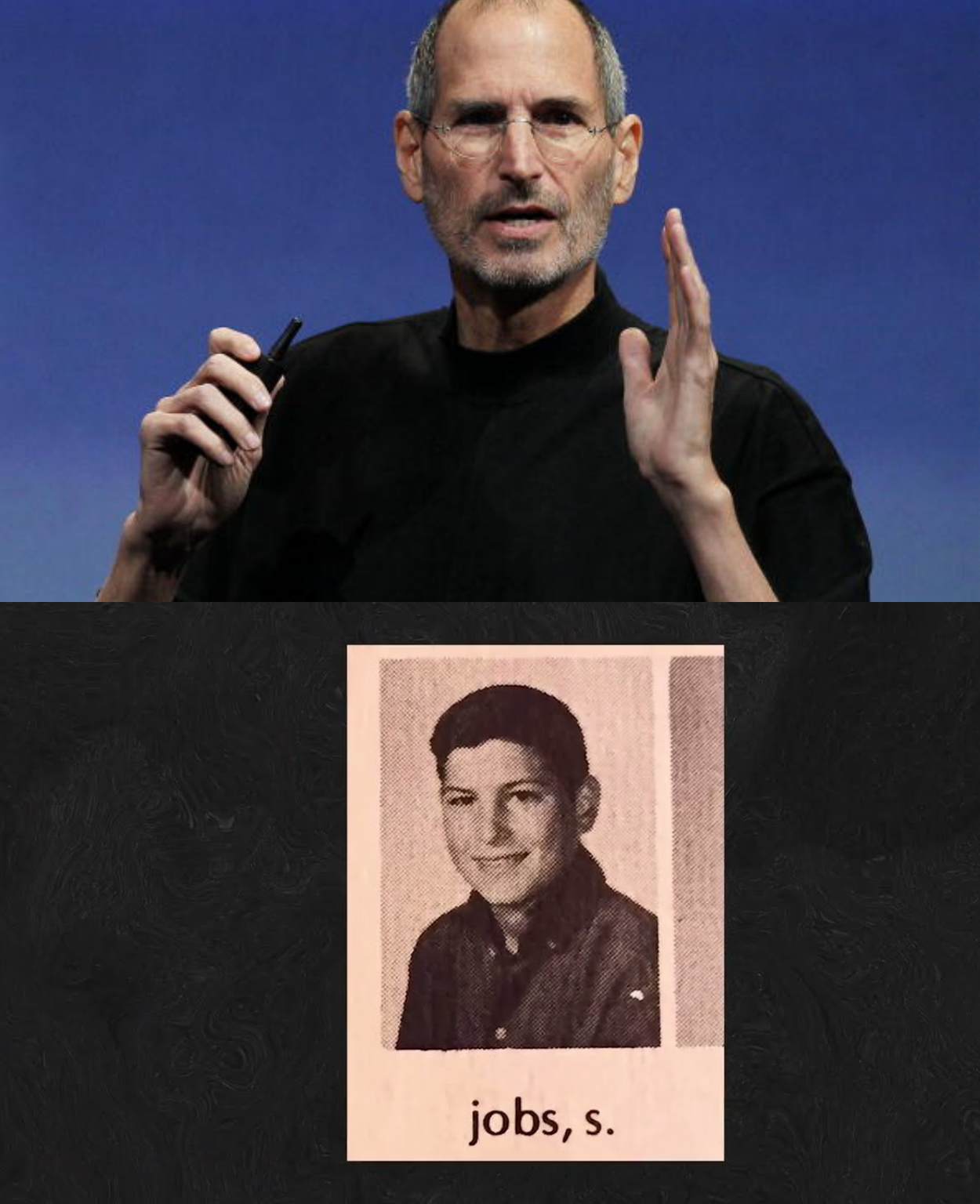
The history of modern technology is punctuated by the silhouette of a man in a black turtleneck, holding a device that would eventually become an extension of the human hand. Steve Jobs is often remembered as the face of Apple, the visionary who brought the computer into the home and the world into our pockets. Yet, to reduce his life to product launches and stock prices is to miss the profound, often tragic, and deeply human philosophy that guided him. His journey—from an adopted child to an industry titan—is a masterclass in resilience, purpose, and the acceptance of mortality.
The Accidental Innovator
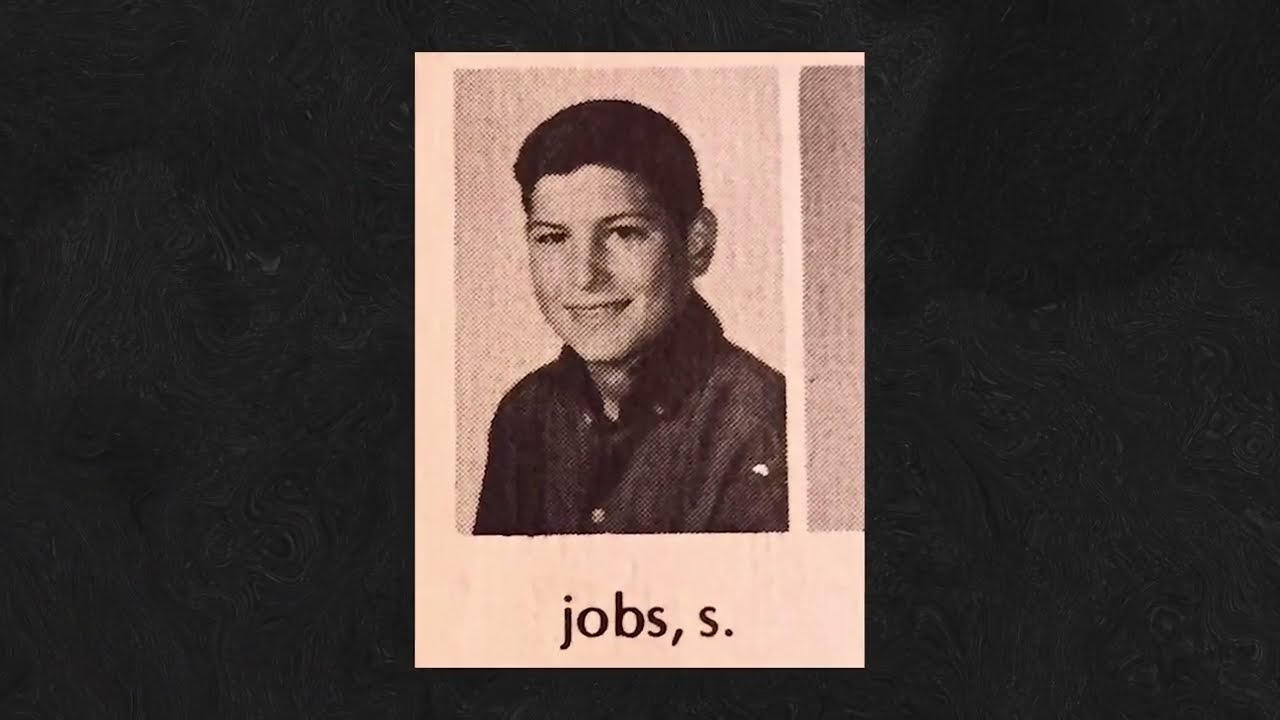
Steve Jobs’s life was defined by the unconventional from the very start. Born in 1955 in San Francisco to young students who were unable to care for him, he was given up for adoption under one condition: that his new parents ensure he receive a college education. They honored this promise, sacrificing to send him to Reed College. However, Jobs quickly found the standard academic mold stifling. He saw the modern education system—a relic of the industrial age designed to create obedient, factory-like workers—as a hindrance to his own creative vision.
He dropped out after one semester, but he didn’t leave the campus. He chose to audit only the classes that sparked his curiosity, including a course on calligraphy that would later prove pivotal. At the time, it seemed like a pursuit of leisure, but it was these lessons that would eventually inform the aesthetic elegance and typography of the Apple Macintosh, proving his first great lesson: we cannot always connect the dots in the present; we can only trust that the seemingly random moments of our lives will eventually form a coherent path.
The Garage Revolution
Jobs’s early career was a whirlwind of experimentation. His partnership with Steve Wozniak, a technical prodigy who shared his dream of personal computing, led to the birth of Apple in the legendary family garage. While Wozniak provided the engineering brilliance, Jobs provided the soul. He understood that a machine was not just a collection of circuits; it was an experience.
When the Apple II launched, it signaled the arrival of the personal computer as a mass-market reality. But the road to success was anything but smooth. Jobs was famously fired from his own company in 1985 after a power struggle with CEO John Sculley—a man Jobs had recruited himself. It was a crushing blow, a moment of profound professional loss. Yet, as he would later admit, it was the best thing that could have happened to him. The “heaviness of being successful” was replaced by the “lightness of being a beginner again.” During his exile, he founded NeXT and acquired Pixar, where he helped usher in a new era of digital storytelling with Toy Story.
The Return and the Revolution
When Jobs returned to Apple in 1997, the company was teetering on the edge of bankruptcy. His comeback was marked by a relentless focus on simplicity and a bold embrace of partnerships—even with former rivals like Microsoft. He cleared out the clutter, slashed unproductive projects, and focused the company on a core mission: to create products that were “insanely great.”
The result was a string of iconic launches that redefined humanity’s relationship with technology: the iMac, the iPod, and finally, the iPhone. The iPhone was not just a phone; it was a fundamental shift in how we consume information, communicate, and navigate our world. Every touchscreen device in your pocket today is a descendant of the vision Jobs articulated on that stage.
The Final Lesson: Death as an Invention
Beneath the innovation, however, was a man increasingly aware of his own fragility. Diagnosed with pancreatic cancer in 2004, Jobs faced the reality that his time was limited. In his famous 2005 Stanford commencement address, he shared his final and most poignant lesson: the realization that death is perhaps the “best invention of life.”
For Jobs, death was the agent of change; it cleared out the old to make way for the new. By asking himself every morning, “If today were the last day of my life, would I want to do what I am about to do today?” he stripped away the pride, the fear of failure, and the expectations of others. It allowed him to focus exclusively on what truly mattered.
When he passed away on October 5, 2011, Steve Jobs left behind more than a company worth billions. He left behind a blueprint for living—a reminder that life is short and that we have a responsibility to leave something behind that is “insanely great.” His legacy lives on not just in the hardware we use, but in the idea that if we love what we do and stay true to our curiosity, we can leave a mark on the world that survives long after we are gone.