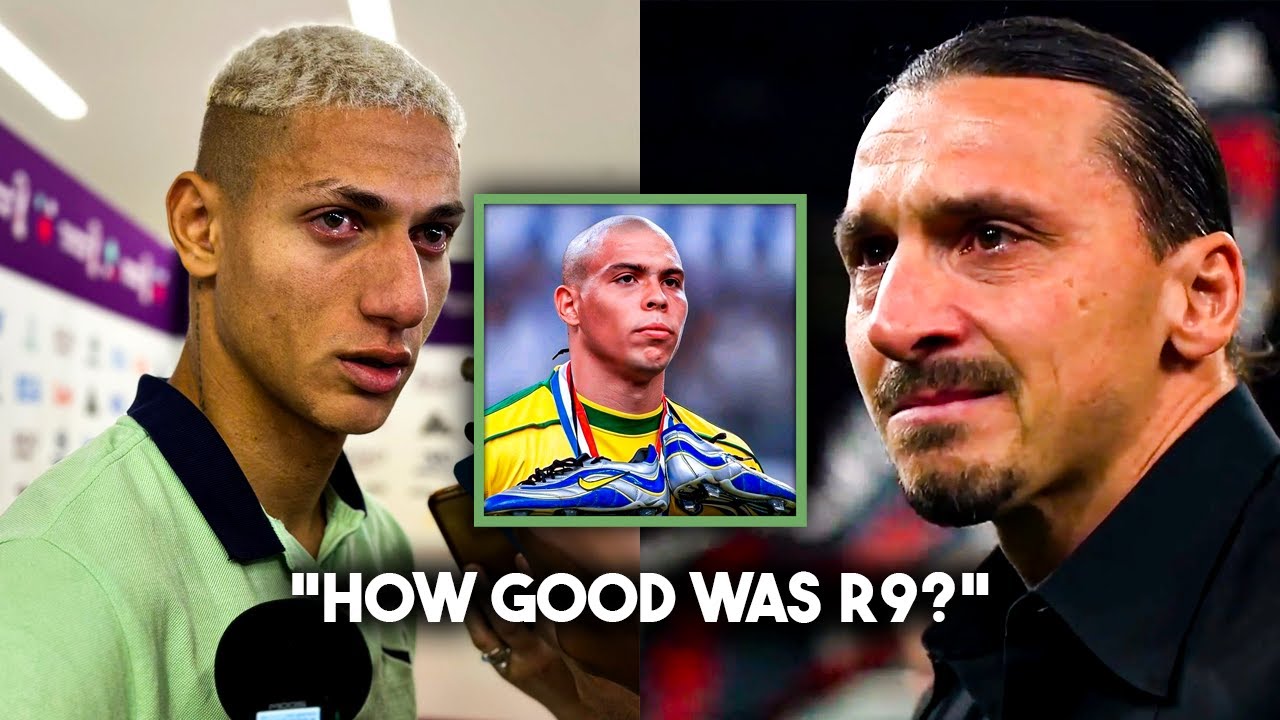
In the vast history of football, names like Pelé, Maradona, Messi, and Cristiano Ronaldo are often held up as the gold standard of greatness. Yet, if you ask the legends of the game—the peers, the rivals, and the managers who stood on the pitch with them—to name the most exceptional talent they ever witnessed, many will bypass the traditional icons and point toward one man: Ronaldo Nazário. Known as “Il Fenomeno,” the Brazilian striker possessed an aura that made even the most decorated superstars feel like mere mortals.
A Force of Nature
To understand the impact of Ronaldo Nazário is to understand the terror he instilled in the world’s best defenders. He wasn’t just a goalscorer; he was an unstoppable kinetic energy. He combined the raw, explosive pace of an Olympic sprinter with the close-control dribbling of a street baller and the finishing instinct of a predator. Defenders famously admitted to losing sleep the night before facing him. Alessandro Nesta, one of the greatest defenders in history, once famously stated that facing prime Ronaldo was the hardest challenge of his career.
His approach to the game was marked by an almost childlike joy. While others treated training as a place of rigid discipline, Ronaldo treated it as a playground. Teammates recall him laughing, smiling, and performing impossible tricks just for the sake of beauty. He didn’t play for status; he played because he was football.
The Greatest ‘What-If’ in Sports
The tragedy of Ronaldo’s story lies in the recurring fragility of his knees. The catastrophic injuries he suffered at the turn of the millennium remain the most debated “what-if” in the history of the sport. At his peak, he was physically superhuman, a blend of power and grace that had never been seen before. After his patellar tendon injuries, he lost the blistering top-end speed that once made him untouchable.
Yet, perhaps the greatest testament to his genius is what he achieved after those injuries. He returned to the pitch just before the 2002 World Cup, not at his peak, but with the wisdom of a master. He went on to win the Golden Boot, score two goals in the final, and lift the trophy. It was a recovery that defied medical science and logic, a final statement of his greatness that cemented his status as a survivor.
The Peerless Icon
When contemporaries like Zinedine Zidane or icons of later generations talk about R9, it is with a reverence that borders on the spiritual. They describe him as a player from “another species,” a hybrid of the greatest traits of the modern era’s biggest stars. He wasn’t just a goal-machine; he was a revolutionary who changed how the striker’s position was played. He could collect the ball in midfield, destroy an entire defense, and finish with a cold-blooded clinical finish—all within a single movement.
His impact was global. Fans across the world mimicked his step-overs and his signature snake-dribble. At Old Trafford, the home of Manchester United, he famously received a standing ovation from opposing fans after a stunning hat-trick—a rare honor that only a truly supernatural performance could extract from a crowd known for its loyalty to its own side.
The Legacy of Il Fenomeno
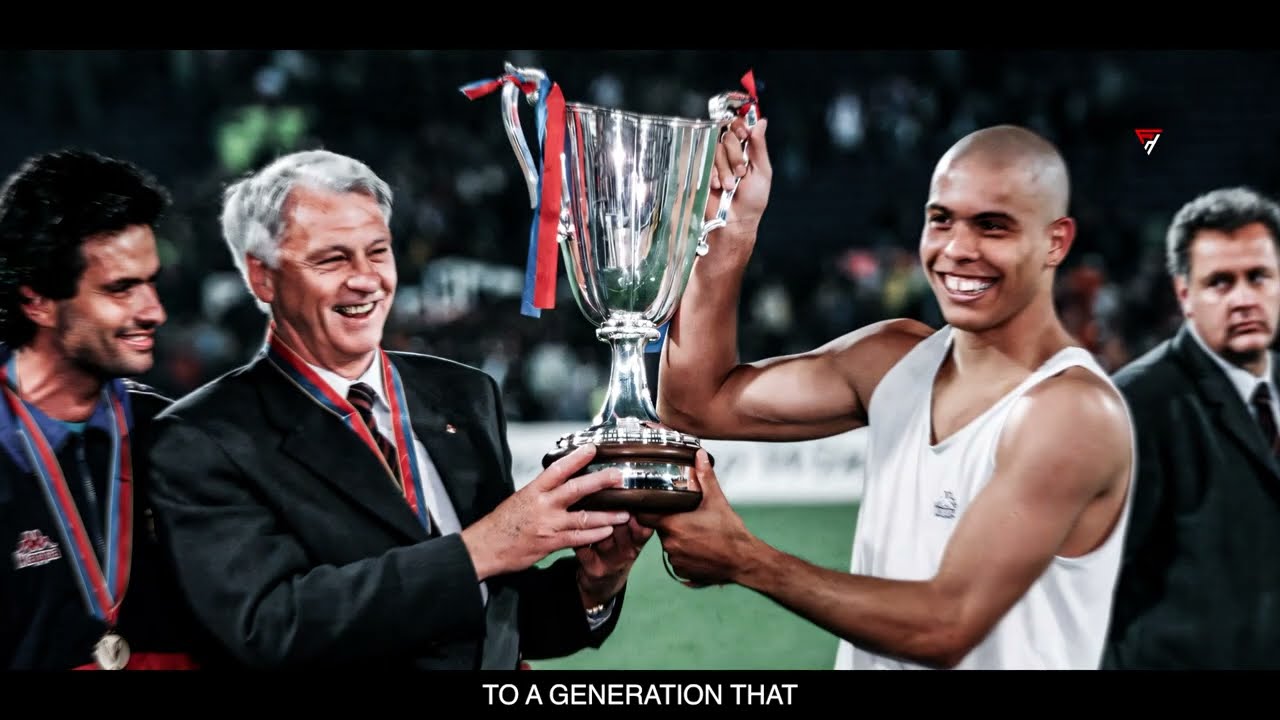
Why do grown men get emotional when they talk about him today? Because he represents the peak of what a human can do with a ball at their feet. He was the dream of every young fan who ever picked up a ball, the embodiment of magic.
Injury may have robbed us of a decade of his prime, but it couldn’t rob him of his legend. Without those injuries, many argue he would have been the undisputed GOAT, the greatest of all time, by an impossible margin. But even as a “what-if,” he remains at the top. For a generation, Ronaldo Nazário wasn’t just a player; he was the definition of football. He was, and always will be, the Phenomenon.