Brazil is universally celebrated as the spiritual home of football. The nation is synonymous with “joga bonito,” a style characterized by grace, virtuosity, and, most importantly, joy. Over the decades, the Seleção has produced a conveyor belt of world-class talents—Pelé, Zico, Romário, Ronaldo, and Ronaldinho are just a few who have defined the sport’s golden era. However, the path to five World Cup titles has not been paved solely with brilliance. Beneath the surface of national pride and glory, there exists a history of baffling selection choices and players who, for various reasons, struggled to meet the monumental expectations of the Brazilian public.
To be called up to the Brazilian national team is to carry the weight of an entire nation. When the selection fails to deliver, the backlash is often as intense as the adoration when they succeed. Looking back through the annals of World Cup history, certain names frequently arise in discussions about the most questionable additions to the squad.
Take, for instance, the case of Henrique in 2014. As Brazil prepared for a World Cup on home soil, the defensive roster was already stacked with titans like Thiago Silva and Dante. Yet, Henrique, who had struggled to gain a foothold in Europe, found himself in the squad. He played only two minutes of the tournament, famously entering the pitch in the 88th minute against Colombia after Neymar’s injury. While it may be unfair to pin the team’s eventual heartbreak on him, his inclusion remains a trivia point that highlights the sometimes confusing nature of squad depth decisions.
Similarly, the 2002 tournament in South Korea and Japan, despite being a crowning achievement for Brazil, featured an inclusion that still baffles pundits: Edílson. At 30 years old, Edílson was preferred over the likes of Giovane Élber and Mario Jardel—the latter of whom was the European Golden Shoe winner with 55 goals that season. Despite his lack of output, Edílson played over 170 minutes across the tournament, including starts in the group stages and the semifinal, yet he failed to record a single goal.
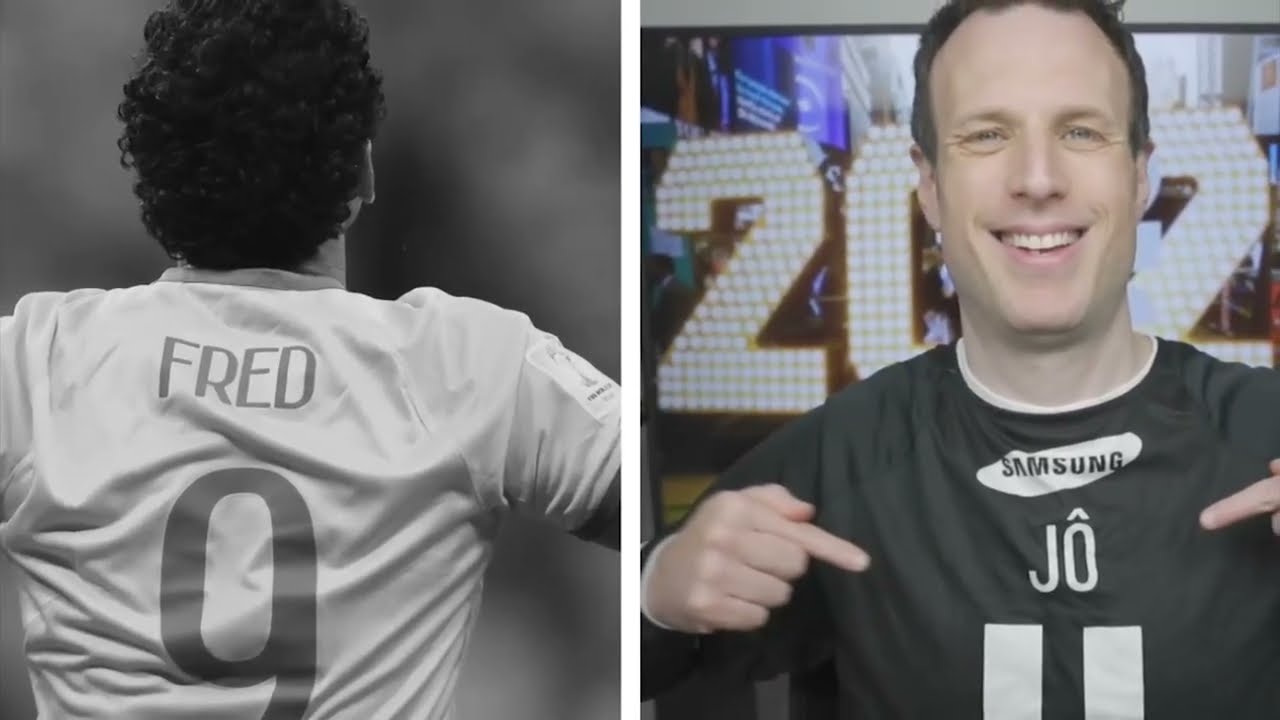
The 2014 World Cup, which ended in the infamous 7-1 defeat to Germany, brought these criticisms to a boiling point. The attacking lineup, once the envy of the world, featured Fred and Jô, two players who struggled to impose themselves on the tournament. Fred, as the starting center-forward, became the face of a national disappointment, scoring only once against Cameroon and remaining largely invisible throughout the knockout stages. Jô, his backup, was equally ineffective, failing to record a goal in his appearances. Their struggles were compounded by the immense pressure of playing as hosts, a context that amplified every missed touch and misplaced pass.
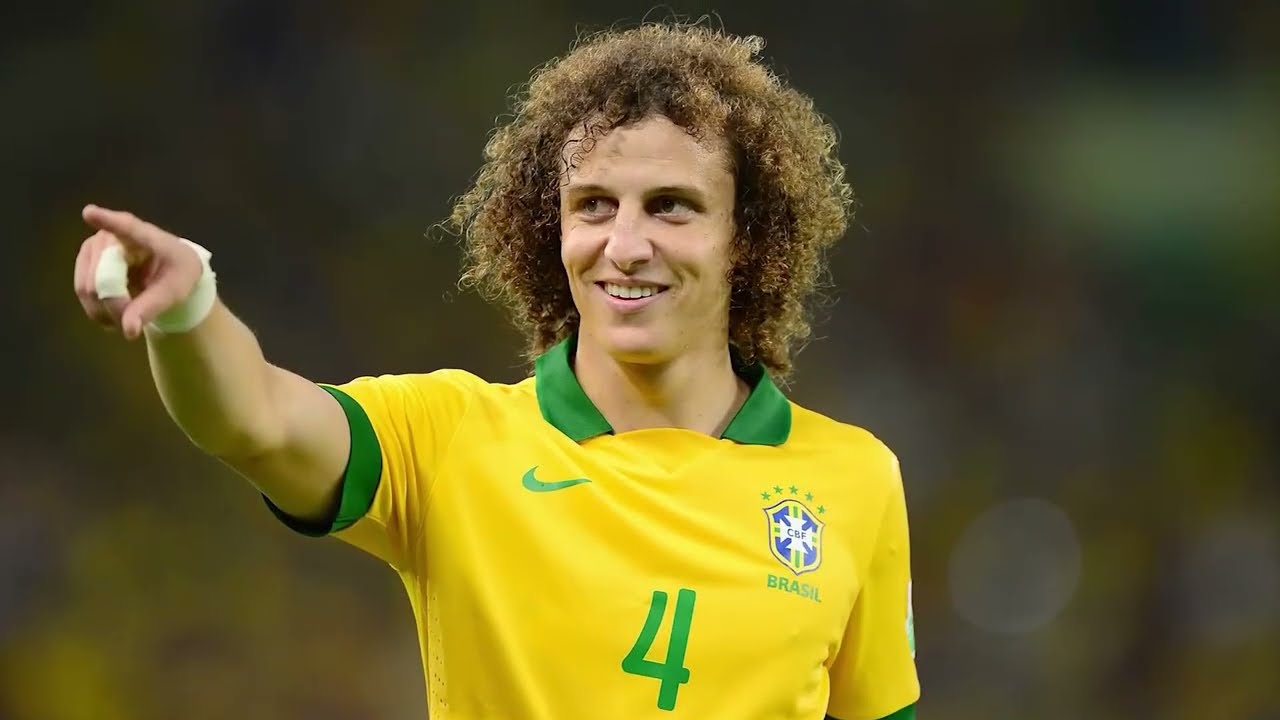
Defensively, David Luiz remains one of the most polarizing figures in modern Brazilian history. While he possessed undeniable technical skill, he was often criticized for his defensive lapses and impulsive decision-making. His tenure is inextricably linked to the night in Belo Horizonte when the defense crumbled against Germany. Despite his high-profile career at clubs like Chelsea and PSG, his legacy remains stained by the memory of that semifinal.
These stories serve as a reminder that even the greatest footballing nations are prone to human error. Whether it was the defensive struggles of Anderson Polga in 2002, the last-minute defensive call-up of Zé Carlos in 1998, or the skepticism surrounding the goalkeeping of Félix in 1970, the list of players who have occupied the yellow shirt is a tapestry of both genius and mediocrity.
Ultimately, these debates are part of what makes football in Brazil so passionate. The expectation is perfection, and anything less is scrutinized under the harshest spotlight in the sport. While these players may not be remembered for their individual brilliance, their presence in the squad at the world’s greatest spectacle is a testament to the complex, and often unpredictable, nature of building a championship team. As the World Cup continues to evolve, the debate over who truly deserves to wear the Canarinha will undoubtedly continue to spark lively discussions for generations to come.