In the history of football, few names evoke as much awe, respect, and “what-if” nostalgia as Ronaldo Luís Nazário de Lima. Known globally simply as “The Phenomenon,” Ronaldo was a force of nature—a striker who combined the blistering speed of a sprinter with the close control of a futsal master and the clinical finishing of a predator. While his resume—which includes two World Cups and two Ballon d’Or trophies—is the stuff of dreams, his true legacy lies in his extraordinary capacity to survive and overcome what many considered career-ending trauma.
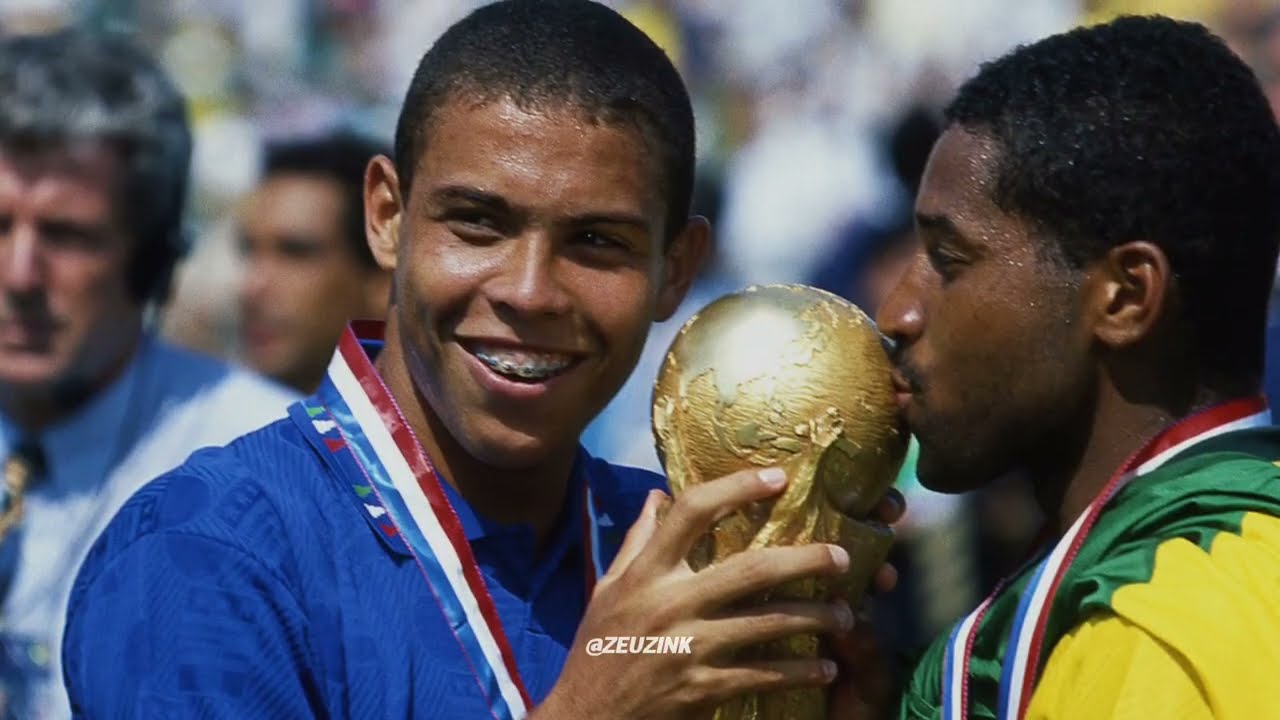
Ronaldo’s journey began in the humble streets of Bento Ribeiro, Rio de Janeiro . Lacking the resources for conventional training, he honed his skills on the streets and in futsal courts, developing the rapid-fire footwork that would later humiliate the world’s most disciplined defenses. His talent was undeniable, catching the eye of Brazilian legend Jairzinho, who orchestrated his path to Cruzeiro. By the age of 17, Ronaldo was already a professional, scoring at an astonishing rate that made him an immediate international prospect
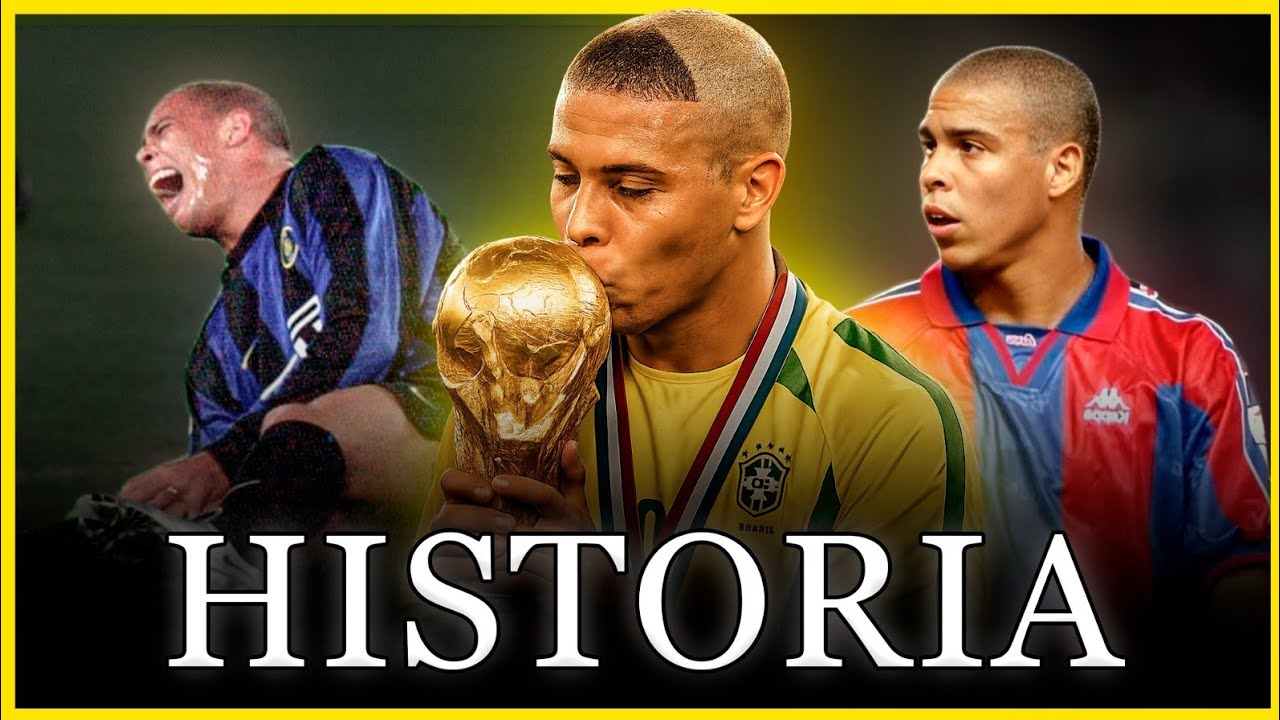
His rapid ascent to Europe—first with PSV Eindhoven and then with Barcelona—revealed a player who was not just talented, but physically terrifying . During his lone season in Barcelona (1996-1997), he netted 47 goals in 49 matches, a statistic that seems almost impossible today He was the most dominant player on the planet by the age of 20. However, the first cracks in this superhuman facade began to appear shortly after he joined Inter Milan, as recurring injuries started to threaten his rhythm
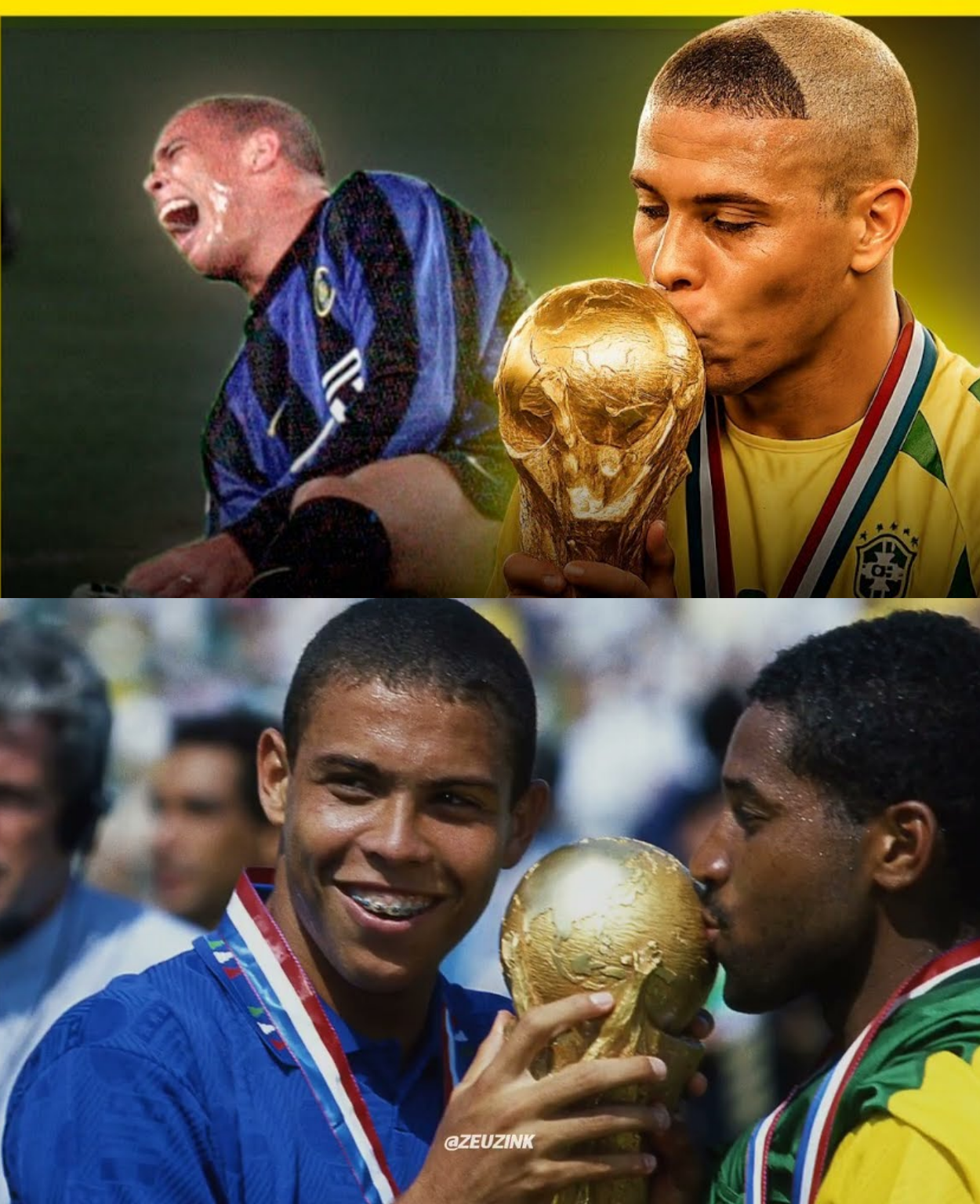
The most harrowing chapter of his career occurred at the turn of the millennium. After a long recovery from a partial tear in his patellar tendon, Ronaldo returned to the pitch in 2000 for the Coppa Italia final, only to suffer a complete rupture of the same tendon ]. The image of him clutching his knee in agony as he was stretchered off became an iconic, heartbreaking moment in football history. For nearly two years, he was sidelined. The global consensus was chillingly simple: The Phenomenon was finished
What followed was one of the most remarkable comebacks in sports history. Against all odds, Ronaldo was included in Brazil’s 2002 World Cup squad. The world watched with skepticism, but he answered every doubt with clinical precision. He finished the tournament as the top scorer with eight goals, scoring twice in the final against Germany to deliver Brazil its fifth title It was a moment of profound redemption, proving that despite his physical decline, his instinct for the game remained unmatched.
His subsequent move to Real Madrid to join the “Galácticos” era solidified his status as an icon, even as his physical health began a slow, inevitable decline After spells at AC Milan and a triumphant final stint back in Brazil with Corinthians, he retired in 2011, leaving behind a legacy that transcended statistics Ronaldo Nazário was more than just a striker; he was a bridge between the old and new styles of football. He showcased that greatness is not solely defined by sustained dominance, but by how one responds when the world insists you are finished. His life story is a narrative of absolute heights and gut-wrenching lows, yet throughout it all, he remained “The Phenomenon.” He taught us that while talent may bring you to the top, it is resilience that makes you immortal.