Deadpool & Wolverine did more than just break box office records—it acted as a high-octane bridge between the legacy of the Fox X-Men era and the sprawling Marvel Cinematic Universe (MCU). With its R-rated humor, aggressive meta-commentary, and a parade of multiversal cameos, it became a cultural event. But behind the laughter and the gore, the production was a labyrinth of hidden details, surprising improvisations, and emotional tributes.
The Opening Gamble
The film’s opening sequence, featuring Deadpool dancing to NSYNC’s “Bye Bye Bye,” has already become legendary. While Ryan Reynolds’ physicality is impressive, the actual choreography was performed by dancer Nick Pauley, adding a layer of professional precision to the chaos. The choice of the song was a deliberate meta-joke, referencing the difficulties Reynolds faced when trying to secure music for Deadpool 2. The scene also includes a blink-and-you’ll-miss-it detail: the numbers “24601” on a skull, a nod to Hugh Jackman’s iconic role as Jean Valjean in Les Misérables.
The MCU Meta-Layer
The film leans heavily into the internal logic of the MCU. In the scene where Wade Wilson applies for a job with the Avengers, he encounters Happy Hogan. Sharp-eyed fans noticed a photo of Tony Stark and Peter Parker in the office with Peter’s face obscured. While legally this sidesteps issues with Sony’s rights to Spider-Man, it also serves as a brilliant narrative nod to the memory-altering spell cast at the end of No Way Home. Additionally, the film plays with the audience’s knowledge of the MCU’s real-world struggles, with Deadpool openly mocking the “difficult time” the franchise has been going through, reinforcing his role as the MCU’s most honest narrator.
Cameos, Cuts, and Almost-Haps
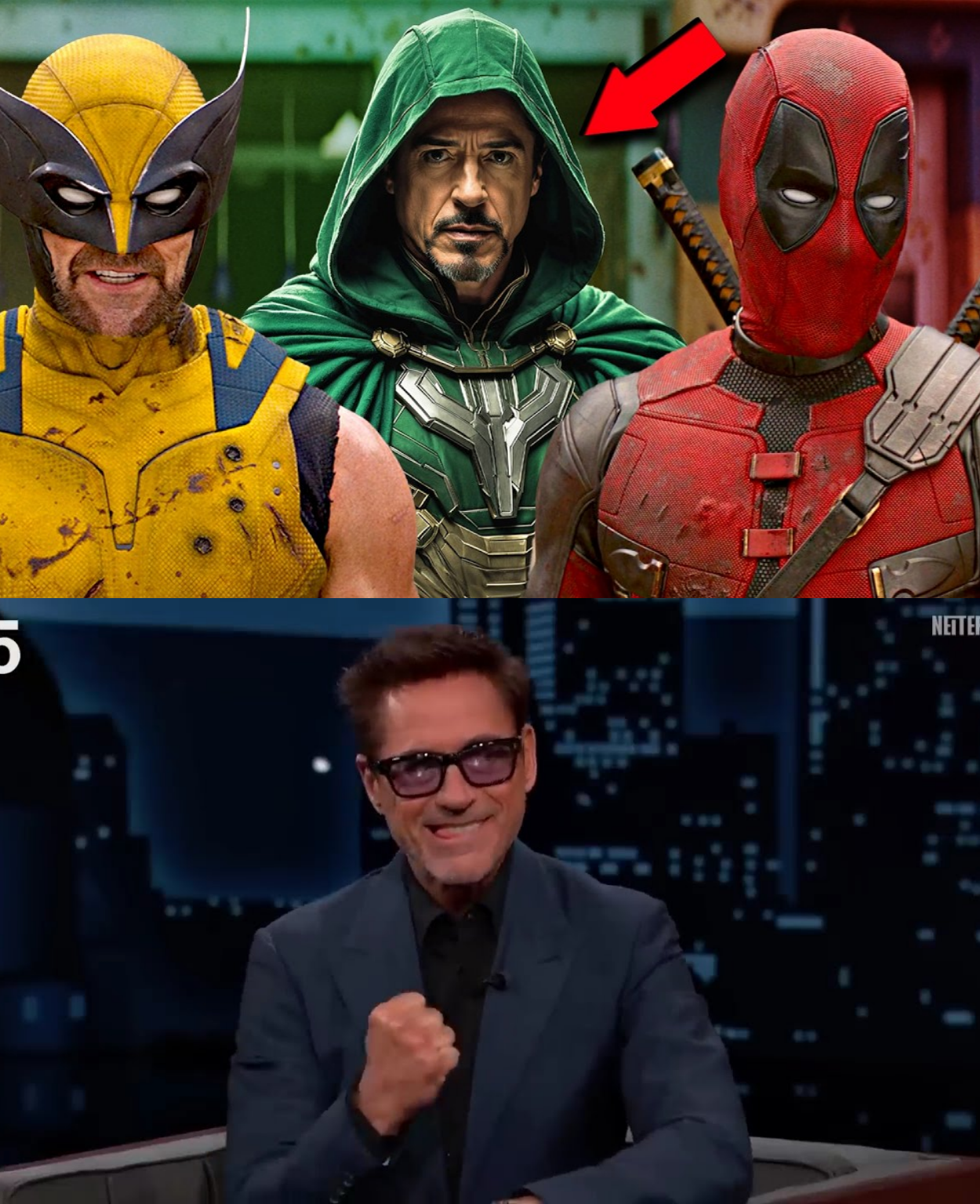
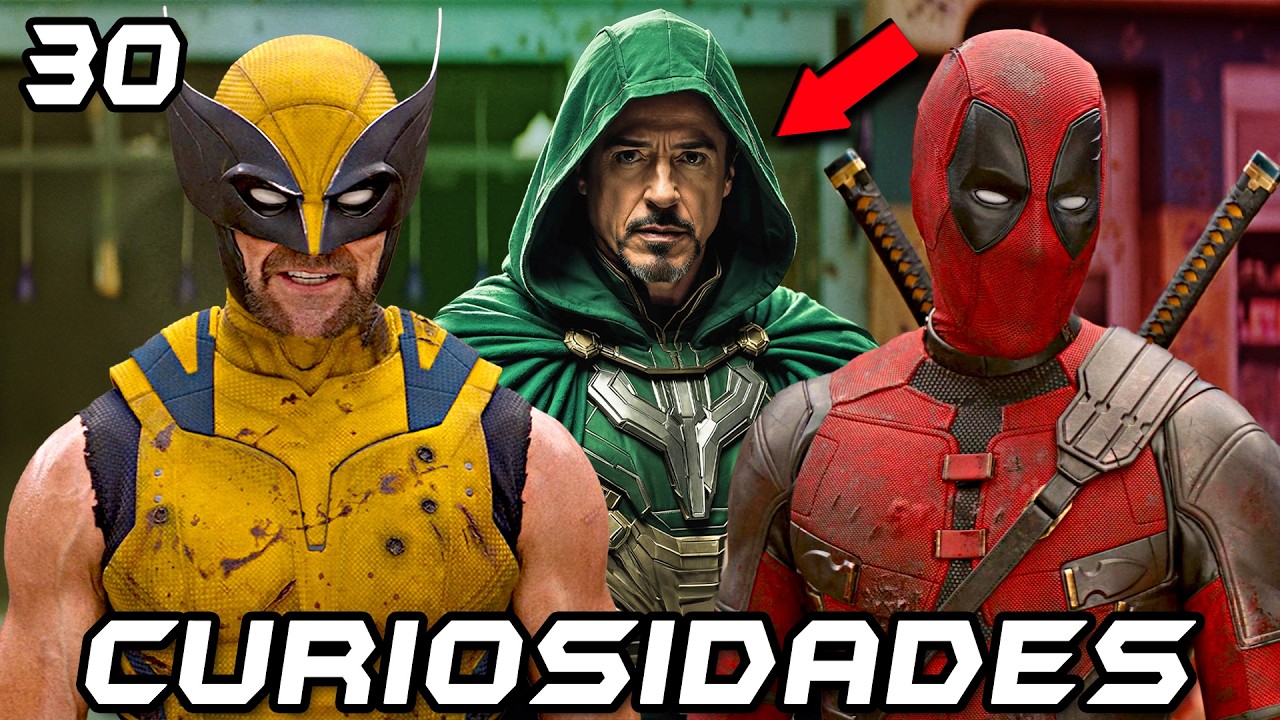
The movie was an absolute playground for cameos, but the behind-the-scenes reality was even more packed. Robert Downey Jr. was initially approached for a cameo as Tony Stark, but he opted to hold out for his larger return as Dr. Doom. Other potential appearances included Nicolas Cage as Ghost Rider, though discussions ultimately fell through.
One of the most poignant moments in the film—the resistance group in the Void—served as a tribute to legacy characters. Seeing Jennifer Garner’s Elektra, Wesley Snipes’ Blade, and Channing Tatum’s long-awaited Gambit brought a sense of closure to characters that had been stranded in developmental limbo for decades.
A Love Letter to the Legacy
Throughout the film, the production team went to great lengths to honor comic history. From the various Wolverine variants—including the short version, the “Old Man Logan” look, and the patch-wearing Madripoor version—to the iconic yellow suit that fans had waited 20 years to see, the film is a catalog of fan-favorite lore.
Perhaps the most touching tribute occurred away from the screen. The film pays homage to Rob Liefeld, the creator of Deadpool, with a store named “Liefeld’s Feet” (a nod to long-standing jokes about his drawing style). Even more moving is the tribute to Rob Delaney’s real-life son, Henry, whose name appears in the credits—a somber, heartfelt moment that grounded the film’s manic energy in reality.
The Final Bow
In many ways, Deadpool & Wolverine is not just an origin story for the MCU integration; it is a farewell. As Ryan Reynolds noted, it is a goodbye to the place that created them. The closing scene, featuring the duo eating shawarma—a nod to the first Avengers movie—serves as a perfect, quiet ending to a chaotic journey.
The film succeeded because it treated its source material with equal parts reverence and irreverence. By allowing the characters to acknowledge their own history, failures, and eventual evolution, Deadpool & Wolverine secured its place not just as a blockbuster, but as a defining moment in the modern history of superhero cinema.