The Twilight Saga has long been celebrated as the ultimate tale of forbidden, supernatural romance—a story of a human girl falling for a centuries-old vampire, forever caught in the middle of an age-old rivalry between vampires and werewolves. Millions of fans worldwide have been captivated by the brooding intensity of Edward Cullen and the rugged devotion of Jacob Black, creating a cultural phenomenon that turned into a multi-billion dollar cinematic empire. However, beneath the polished exterior of glittering skin, teenage angst, and dramatic love triangles lies a much deeper, more chaotic, and fundamentally stranger narrative that remains largely overlooked by casual viewers.
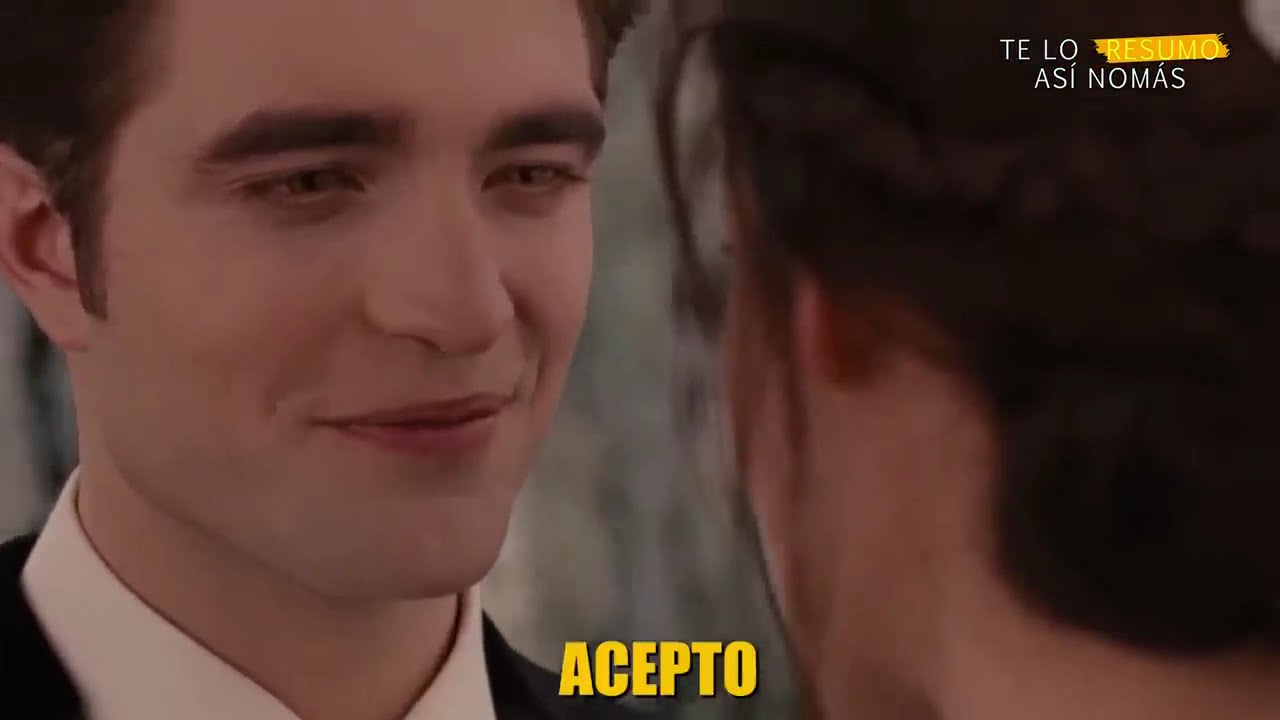
When we peel back the layers of Stephenie Meyer’s world, we find that the saga is not merely a romance; it is a complex web of ancient politics, supernatural laws, and hidden threats that reach far beyond the high school hallways of Forks, Washington. The foundational history of the Cullen clan, their delicate relationship with the Quileute tribe, and the underlying tension that drives every interaction are far more intricate than they appear. The “Cullens”—a group of vampires who have chosen the “vegetarian” lifestyle of consuming animal blood rather than human—live in a fragile peace, hiding their true nature from a world that would inevitably fear them. Yet, this peace is constantly under threat from within their own kind and from external forces that view them as an aberration.
At the heart of the story, of course, is Bella Swan, whose transition from a shy, ordinary teenager to an immortal vampire marks the most significant shift in the saga’s trajectory. Her desire to escape her human life and join Edward in his eternal existence is often framed as the ultimate romantic sacrifice. Yet, when analyzed closely, the reality of this transition is far more harrowing. Becoming a vampire is not a fairy-tale transformation; it is a painful, bloody, and irreversible process that fundamentally changes one’s perception of the world. Bella’s journey from mortality to the dangerous, predator-centric world of the undead is a descent into a reality where every instinct is redirected toward survival and the suppression of an unquenchable hunger.
The introduction of the Quileute werewolves adds another layer of complexity to this already volatile environment. These are not werewolves in the traditional folklore sense; they are shapeshifters whose existence is tied directly to the presence of vampires in their territory. The bond between them and the Cullens is one of necessity rather than friendship. They exist as the silent guardians of their people, forever bound to a cycle of protection that requires them to sacrifice their own humanity to fight a war they never truly asked for. This dynamic creates an fascinating subtext to the main narrative: how does one balance the preservation of their own humanity when they are literally transformed into an apex predator to defend it?
Furthermore, the saga introduces the Volturi, a powerful and ancient coven of vampires who act as the self-appointed rulers of their world. They are the enforcers of law and order, maintaining the secret of the supernatural through fear and absolute authority. The Volturi represent the ultimate threat—a force that values the status quo above all else and views any deviation from their rules as an offense punishable by death. Their involvement in the lives of the Cullens transforms the story from a character-driven romance into a high-stakes thriller where the penalty for failure is complete and total annihilation.
The climax of the story, particularly in the final installments, shifts into a territory that borders on the epic. The assembly of various vampire covens from around the globe to support the Cullens against the Volturi serves as a reminder that the world Bella and Edward inhabit is expansive, diverse, and filled with ancient beings who have been watching from the shadows for millennia. Each coven brings with it a unique set of abilities, traditions, and moral frameworks, challenging our understanding of what it means to be a “monster.”
Even the seemingly domestic aspects of the saga, such as the birth of Renesmee, carry profound implications. The existence of a half-human, half-vampire child is unprecedented and immediately marks her as a threat to the Volturi, who fear anything they cannot control or define. Her rapid development and unique nature serve as the final catalyst that brings the entire supernatural world to a breaking point. It highlights the central theme of the saga: that the preservation of love and family is often the most dangerous act of all.

As we look back at the Twilight saga, it is clear that its enduring legacy is not just in its romantic tropes, but in the elaborate, often dark, world-building that exists beneath its surface. It challenges us to reconsider the labels of “hero” and “villain,” as even the most noble characters are often forced to commit acts of violence to protect those they love. The story is a testament to the idea that true darkness is rarely found in the monsters themselves, but in the systems, fears, and choices that dictate their existence. By exploring these hidden truths, we find that the Twilight saga is far more than a simple love story—it is a mirror reflecting our own struggles with morality, identity, and the lengths to which we will go to protect the things we cherish most. The sparkle may be what draws you in, but the dark, complicated, and deeply human heart of the saga is what keeps you there, forever questioning what truly lurks in the shadows.