In the pristine, sun-drenched suburbs of Burbank, California, a quiet, solitary boy spent his days drawing strange, misshapen monsters. He was a child who barely spoke, often dismissed by teachers as someone who simply didn’t fit in. This was Tim Burton, a young artist whose internal world was filled with the gothic, the melancholic, and the misunderstood. Today, we know him as the visionary director of films that have shaped our cultural landscape—Beetlejuice, Edward Scissorhands, and The Nightmare Before Christmas. Yet, the path to his success was not paved with encouragement. Instead, it was defined by a long, exhausting battle against the very industry he would eventually conquer: The Walt Disney Company.
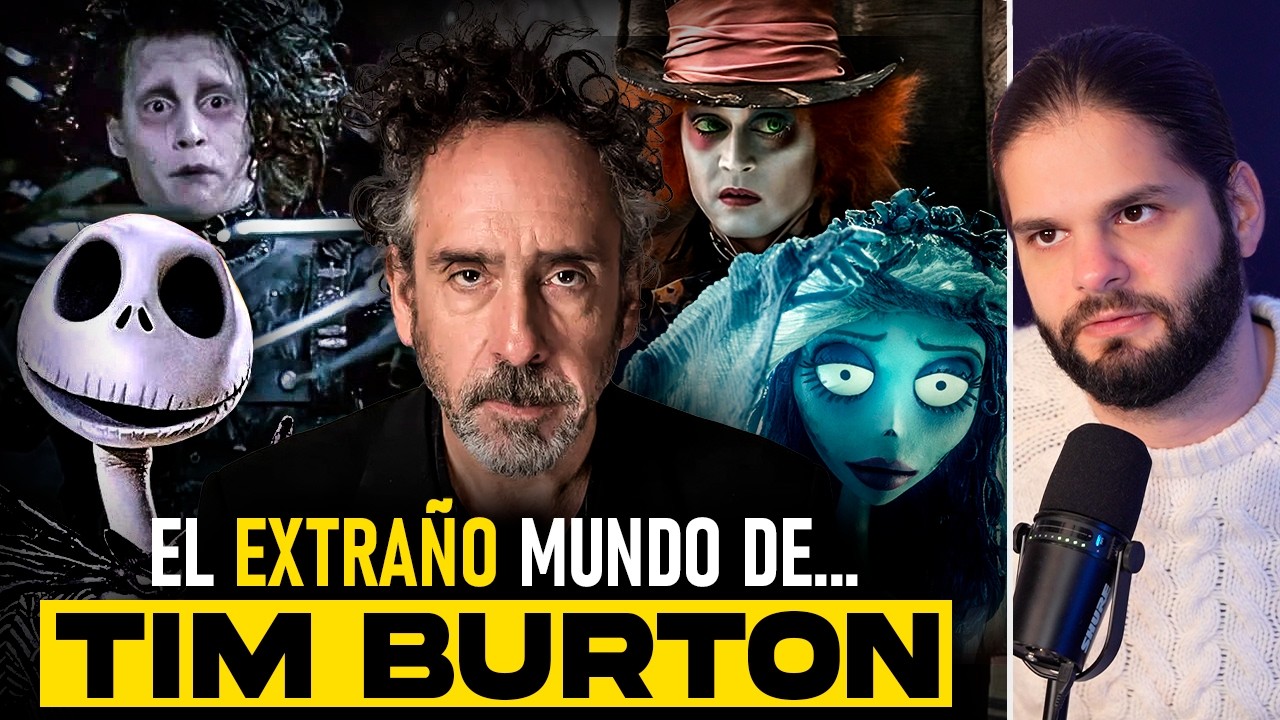
The narrative of Burton’s career is often simplified, but the reality is a testament to the struggle of an artist attempting to survive within a corporate machine designed for mass appeal. When Burton first arrived at Disney, he was a talented scholarship student from CalArts, an institution founded by Walt Disney himself. He was there to be trained as the next generation of animators. However, the Disney aesthetic—vibrant, optimistic, and relentlessly cheery—clashed violently with Burton’s dark, expressionistic tendencies. He wasn’t drawing smiling woodland creatures; he was sketching pained figures, shadows, and characters with sharp, dangerous edges.
Within the walls of the studio, Burton was famously categorized as “the weird one.” He worked on projects that felt utterly alien to his sensibilities, such as The Fox and the Hound, where he spent grueling hours drawing backgrounds that required little of the creative spark he longed to ignite. When he was finally given more creative control as a conceptual artist for The Black Cauldron, his dark, somber interpretations were met with immediate rejection. To the executives, his vision was not just unmarketable; it was potentially frightening for the children they aimed to reach.
This tension reached a breaking point with his early directorial attempts. Burton’s short films, such as Vincent and the live-action Frankenweenie, were masterpieces of his signature style—an homage to the German expressionist films of the 1920s that he loved so much. These films were deeply personal, dealing with themes of loss, death, and the comfort found in the unconventional. Disney, however, decided these projects were too dark for their audience and essentially buried them, leading to his eventual departure. For an artist who already felt like a social alien, this rejection by the world’s most iconic studio was a devastating blow.
The turning point for Burton—and perhaps the most important moment in modern cinema history—came when he stepped outside the Disney umbrella. With the success of Pee-wee’s Big Adventure and Beetlejuice, Burton proved that there was a massive, hungry audience for his brand of dark, offbeat, and deeply emotional storytelling. He demonstrated that audiences were not looking for another carbon copy of a family-friendly film; they were looking for an identity they could latch onto, a creator who wasn’t afraid to embrace the macabre and the strange.
His return to Disney, years later, to produce The Nightmare Before Christmas and direct Alice in Wonderland, is a poetic reminder of how much the industry landscape has shifted. The very studio that once fired him for his “eccentricities” eventually relied on his unique brand to revitalize their own catalog. Yet, the friction remained. The process of making these films was often a balancing act between Burton’s uncompromising artistic vision and the corporate need for profit. Throughout this journey, Burton remained remarkably steadfast. He didn’t dilute his style to make it palatable; he forced the world to adapt to him.
What makes Burton’s story so enduringly powerful is not just the movies, but the man himself. He serves as a symbol for every creative soul who has been told they are “too much” or “too different.” His characters—Edward, Jack Skellington, Willy Wonka—are all mirrors of his own experience. They are beings with hearts in the wrong places, hands made of scissors, or souls that just can’t quite synchronize with the rhythm of the “normal” world. In telling their stories, Burton has given a voice to millions of fans who have felt similarly displaced.
The success of his career is a profound lesson in creative integrity. Burton’s life proves that the traits that make you an outcast in one environment can be the very foundation of your success in another. He didn’t achieve greatness by becoming another cog in the Disney machine; he achieved it by showing the world that even the darkest, most twisted thoughts can hold a deep, beautiful humanity. He taught us that it is not only okay to be “mad,” as the Hatter would say, but that the best people usually are.
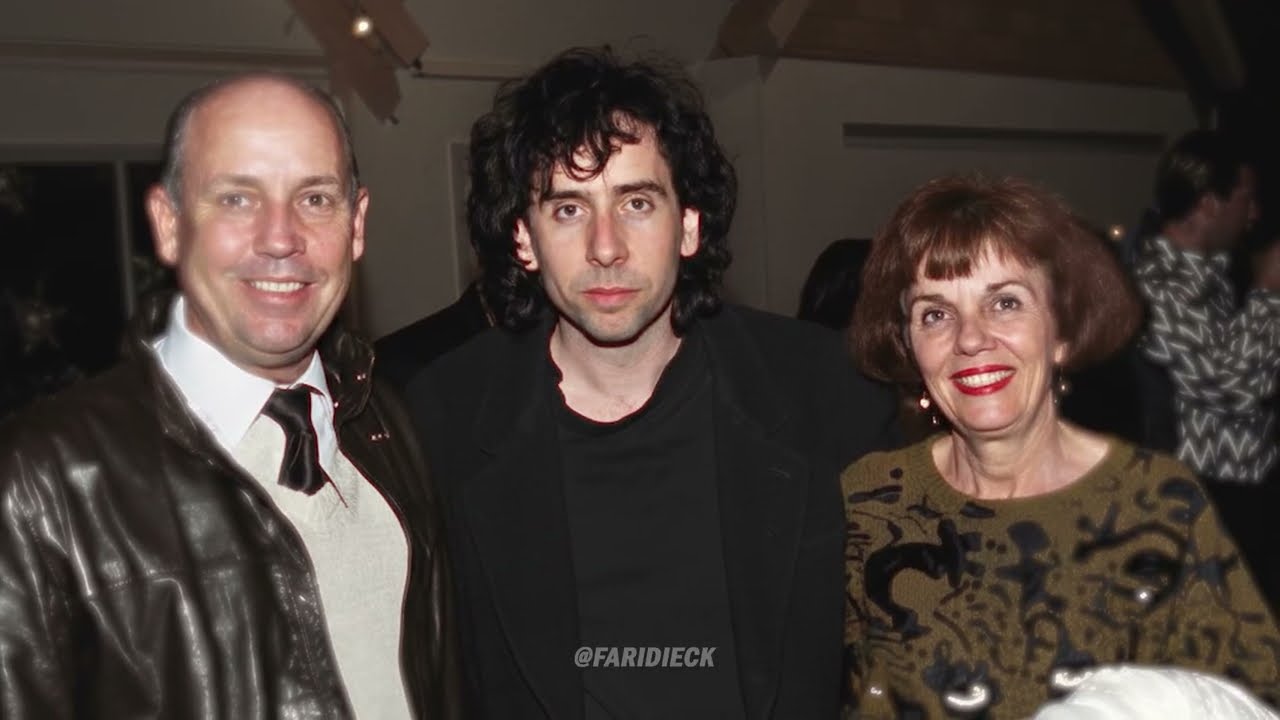
In retrospect, the friction between Disney and Tim Burton was inevitable. They were two opposing forces—one representing the maintenance of traditional, sunny, corporate childhood dreams, and the other representing the exploration of the complicated, often painful realities of the human condition. By choosing to stay true to his darkness, Burton ensured that his work would not just be a fleeting trend, but an indelible mark on cinematic history. He showed that you don’t need to fit in to belong; you only need to create a world where your difference is the main attraction. For anyone currently struggling to find their place, Burton’s story is the ultimate reminder: your perceived “weirdness” is not a flaw, but your greatest strength waiting to be unleashed.