Bruno Mars is a name synonymous with global success. With chart-topping anthems like Uptown Funk and When I Was Your Man, he has cemented his place as one of the most talented and recognizable entertainers of the 21st century. Yet, there is a paradox at the heart of his celebrity: while his voice is heard in every corner of the globe, the man himself remains an enigma. Unlike many of his contemporaries who lean into the cult of personality and public disclosure, Bruno Mars has consistently prioritized a level of privacy that borders on secrecy. But what lies beneath this carefully curated exterior? To understand the music, one must finally look at the life that birthed it.

Born Peter Gene Hernandez in Hawaii, his journey began far from the glitter of Hollywood. Raised in a family of performers, he was a child prodigy who dazzled local audiences as the world’s youngest Elvis Presley impersonator. However, this early taste of fame was followed by a harsh reality check. After his parents’ divorce and a series of professional setbacks, the young Peter found himself living in deep poverty, at times sleeping in a car with his father. These formative years, characterized by both the magic of the stage and the struggle for survival, laid the groundwork for a work ethic that would eventually define his career.
When he arrived in Los Angeles to make it as a professional musician, he faced years of rejection. He was a singer without a sound, a performer who could mimic the greats—Michael Jackson, Jimmy Hendrix, The Police—but who hadn’t yet found his own identity. It was only through the grueling process of becoming a songwriter for hire, crafting hits for other artists, that he finally learned the anatomy of a perfect song. He discovered the power of simplicity, learning to build melodies that were not just catchy, but universal.
This obsession with perfection has become his trademark. Behind the scenes, Mars is known as an intense perfectionist, often spending endless hours in the studio adjusting the smallest details until a song sounds exactly as he imagined. This dedication to craft propelled him to the top, but it also demanded a cost. As his fame exploded, he began to pull away from the limelight. While he remained a constant presence on the stage, he became increasingly elusive in his personal life, rarely giving interviews that probed beyond the surface of his professional accomplishments.
For 13 years, one constant remained in his life: his relationship with model Jessica Caban. While they lived largely away from the prying eyes of the tabloids, the dissolution of their partnership has brought a new, profound depth to his work. His latest artistic endeavor, The Romantic, suggests a shift in narrative. Long known for writing songs that are meant to be universally accessible—tunes for parties, weddings, and dance floors—Mars has finally allowed his own vulnerability to seep into his lyrics.
Tracks on his latest project act as a mirror to a decade-long relationship that never quite made it to the altar. They touch on themes of regret, the frustration of miscommunication, and the agonizing attempt to save something that is already fading. This is not the Bruno Mars of the past, singing about the thrill of a night out; this is a man grappling with the quiet, devastating end of a lifetime commitment. It is a reminder that even the most successful figures are susceptible to the same human pains and heartaches that define us all.
By opening up, even indirectly, Mars has bridged the gap between the superstar and the human. He has shown that the “poetic need” to express pain is universal, regardless of how many stadiums you can sell out. The music has transformed from a commercial product into a necessary catharsis, a way to process the weight of a loss that he can no longer keep silent. As we listen to his newer, more raw compositions, we are not just hearing a pop star; we are hearing someone trying to make sense of a world that no longer looks the same.
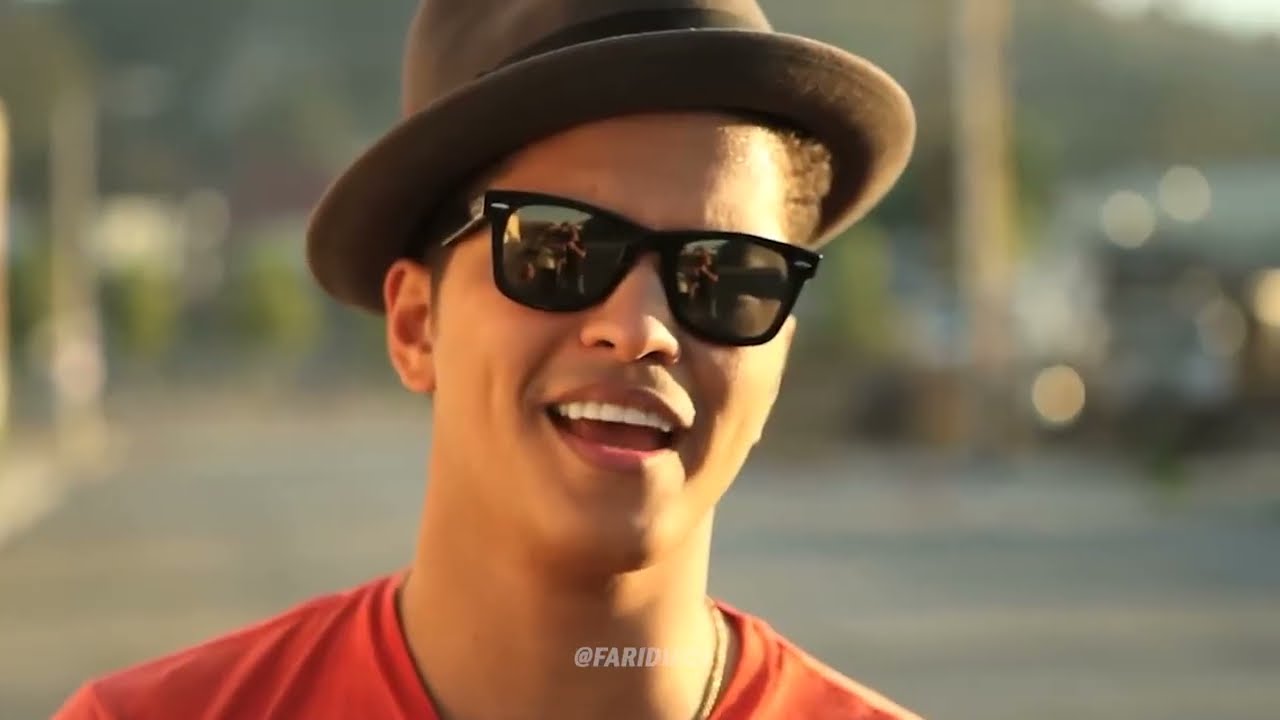
In the end, the mystery surrounding Bruno Mars was never about hiding a dark secret; it was about protecting a vulnerable heart. His story proves that even when you have everything the world can offer—fame, fortune, and adoration—the things that truly define us are the connections we forge, and the grace with which we handle their eventual loss. Bruno Mars may have started as a child in a costume pretending to be a hero, but through his music, he has finally shown us that it is okay to be exactly who he is: a man, talented and flawed, singing through the pain until the music finally makes sense.