On the morning of June 14, 2026, the sky above Recreio dos Bandeirantes, in Rio de Janeiro, turned from a calm blue to a scene of unimaginable devastation. Two helicopters, carrying six people in total, collided in mid-air, plummeting into a city already struggling with the logistical nightmares of its own geography. Among the victims were Gaspar Print Díaz, the beloved content creator known as “Gaspi,” and the American singer Oliver Tree. Their sudden and violent passing has not only left fans and families grieving but has also ignited a fierce debate about the safety, regulation, and underlying systemic failures of the aviation industry in Brazil.
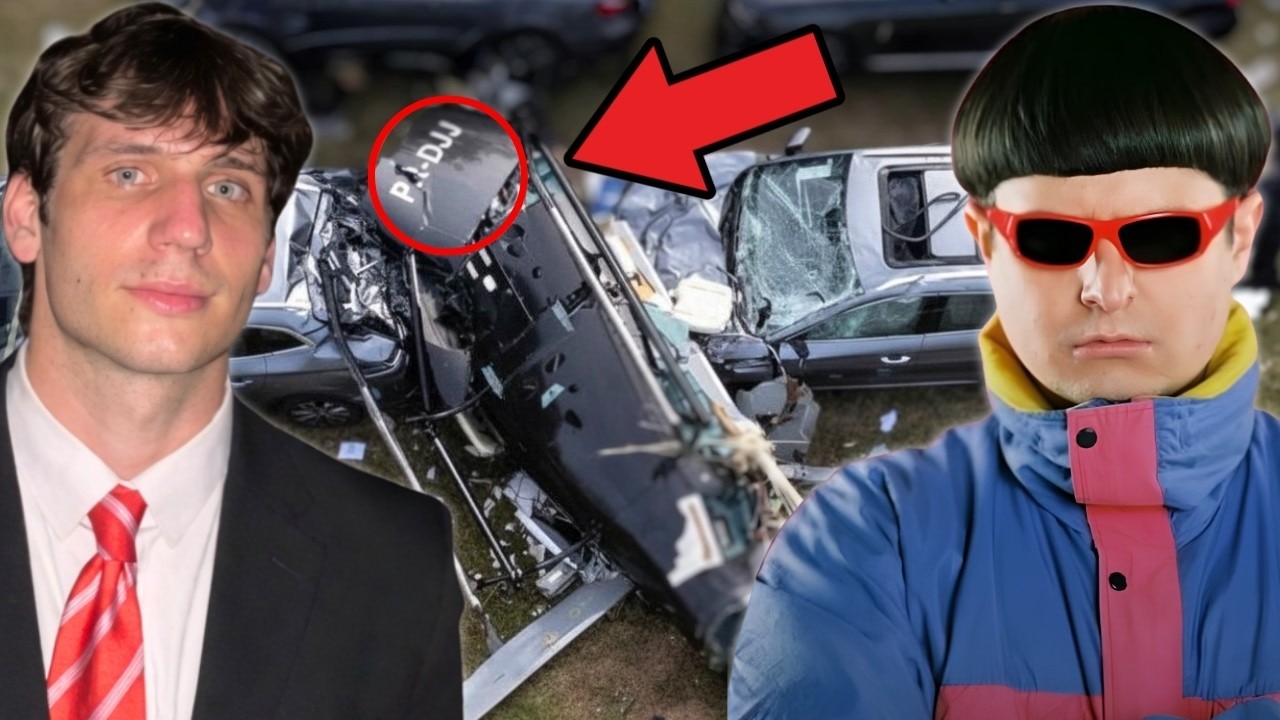
In the aftermath of the crash, the narrative initially swirled with rumors of bad weather and pilot error. However, as more information comes to light, the tragedy appears to be the result of a “perfect storm” of negligence. According to investigators and aviation experts, the conditions on that Sunday morning were ideal for flight. The visibility was high, the winds were calm, and the pilots—Alexandre Sausa and Charles Marcelaki—were both seasoned professionals with instructor certifications. If the pilots were skilled and the weather was clear, why did two aircraft end up occupying the same space at the same time?
The answer, as detailed in recent investigations, suggests a history of ignored warnings and a lack of oversight. The helicopter carrying Gaspi and his production team, a Bell 206 Jet Ranger, was owned by a company primarily registered for fruit commerce—a detail that sparked red flags months before the crash. The Brazilian aviation authority, ANAC, had received multiple denuncias (formal complaints) stating that this specific aircraft was being operated as an illegal air taxi. These operations, which bypass the strict maintenance and pilot oversight requirements of certified commercial air transport, were allegedly flying under the radar.
What makes this reality particularly chilling is the response—or lack thereof—from the regulatory bodies. Reports indicate that despite being notified of these irregular operations and inconsistencies in flight logs, the authority’s actions were limited to fines that, in the context of high-end aviation, were trivial. This pattern of behavior suggests a systemic issue where companies are willing to pay the price of a small fine rather than invest in the safety standards required for legal operation. This wasn’t just a single pilot making a bad call; it was a symptom of a culture where rules are treated as suggestions.
The geographic context of Rio de Janeiro further exacerbates these risks. In a city where helicopters are a common tool for navigating gridlocked traffic, the airspace has become dangerously crowded. Unlike São Paulo, which maintains a specialized air traffic control system for its high volume of rotary-wing aircraft, Rio lacks the infrastructure to separate these flights effectively. Instead, pilots are left to rely on “visual flight rules”—the aviation equivalent of “see and avoid.” In a world where even the most experienced pilot has a limited field of view, this reliance on sight alone, without mandatory anti-collision systems on light aircraft, is a recipe for disaster.
Beyond the regulatory failures, the human cost is immense. We are talking about four young lives—Gaspi, Oliver Tree, Lucas Bignnel, and Lucas Frota—who were on the cusp of significant career milestones. Gaspi, who had spent years evolving his brand and his personal discipline to reach a new level of maturity, was reportedly filming a highly ambitious project. Oliver Tree, a musician who had recently spoken about his desire to leave behind a legacy of support for other artists, was in the middle of a global tour. Their loss serves as a grim reminder that when safety standards are compromised, the price is not paid by the company, but by the passengers.
As the CENIPA (the Brazilian center for the investigation of aeronautical accidents) continues its work, the focus remains on three critical areas: inadequate separation of aircraft, potential communication failures, and the operational status of these flights. The investigation must also address the glaring question of transponders—were these aircraft visible to each other and to the system? If they were not, they were essentially flying blind in a busy corridor.
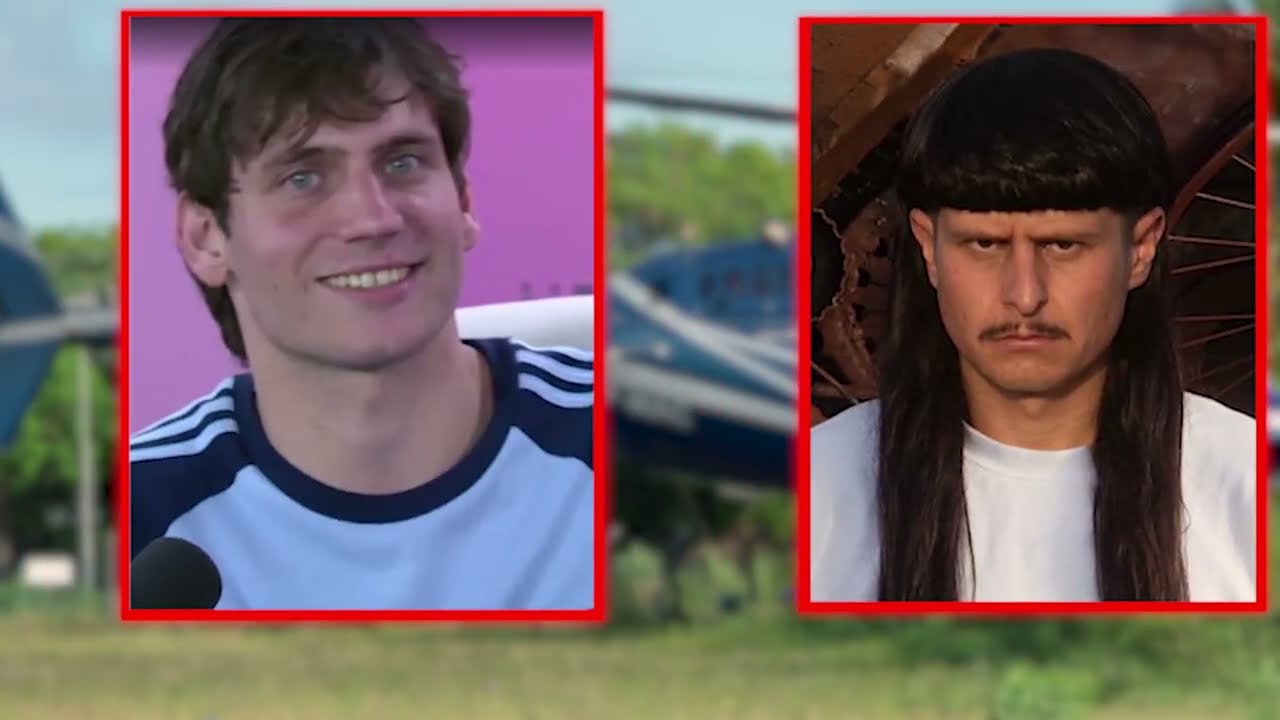
The Rio helicopter tragedy is a wake-up call for an industry that has allowed profit to outweigh passenger safety for too long. It is a story of how small, seemingly insignificant “holes in the system” can align to create a catastrophe. For the families of the victims, no investigation can bring back their loved ones. But for the public, this case must serve as a catalyst for change. The skies above Rio should not be a place where safety is a matter of luck; it should be a place where the rules are enforced, the oversight is rigorous, and the value of human life is placed far above the convenience of an irregular flight. Only through transparency and a radical overhaul of current aviation practices can we ensure that such a disaster never happens again.