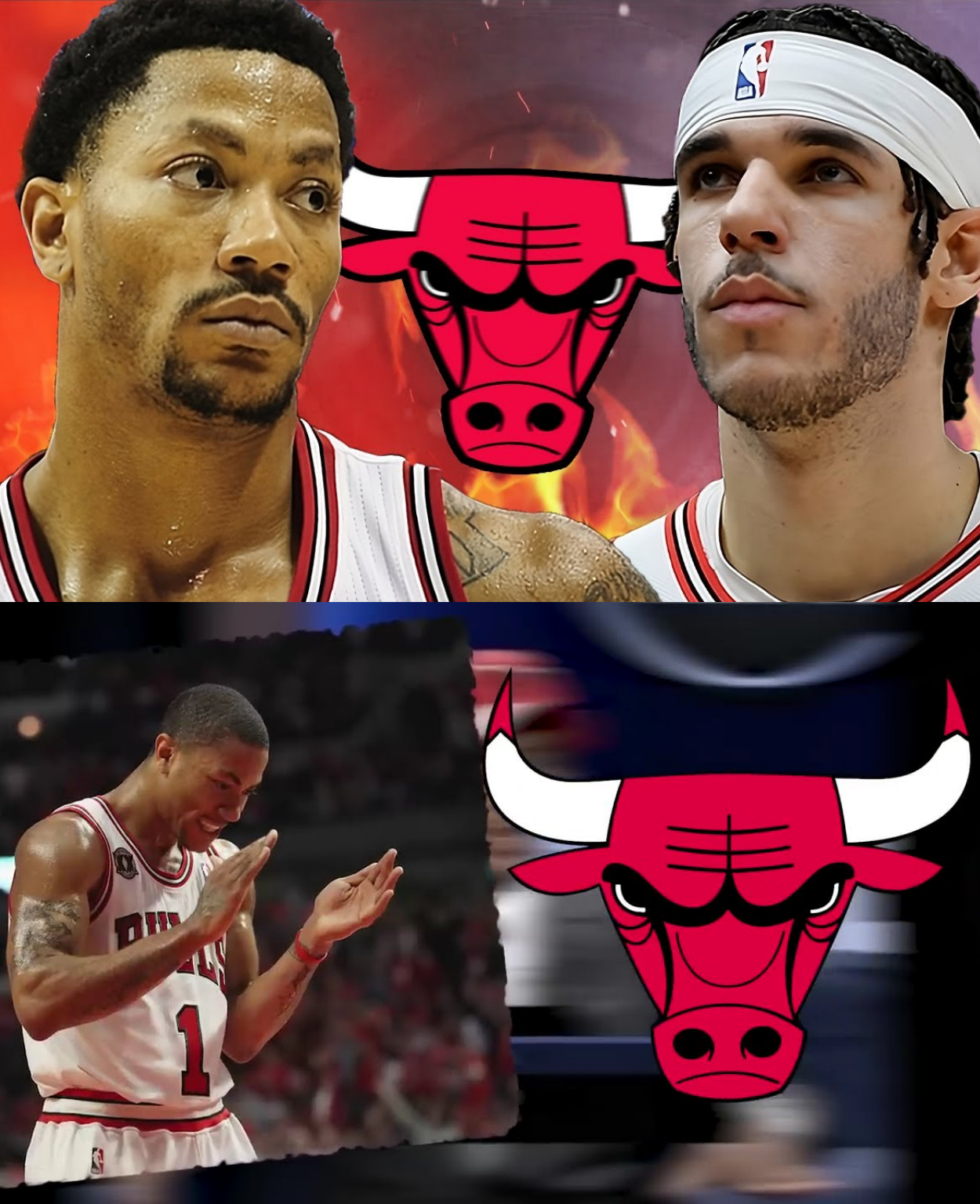
For an entire generation of basketball fans, the Chicago Bulls were not just a team; they were an untouchable symbol of dominance. In the 1990s, the franchise was the North Star of the NBA, orbiting around the gravitational pull of Michael Jordan. With six championships in eight years and two distinct “three-peats,” the Bulls didn’t just win; they conquered. They cemented their place in the pantheon of sporting legends, creating a standard of excellence that seemed impossible to erode. Yet, as we look at the current state of the Chicago Bulls thirty years later, the contrast is stark. The team is no longer a feared dynasty; they are often discussed as a “mediocre train wreck,” a franchise seemingly cursed by its own history, perpetually wandering in the purgatory of the NBA.
It is almost as if the franchise made a deal with the devil: they received the greatest run in basketball history, and in exchange, they were doomed to decades of longing and misery. But looking at the cold, hard facts, the decline wasn’t just a matter of bad karma or a cursed timeline. It was a systematic failure of leadership, an inability to evolve, and a series of front-office decisions that range from the questionable to the downright baffling.
The Post-Jordan Void (1999–2008)
When Michael Jordan walked away in 1999, the Bulls were left in a vacuum of leadership and identity. In just a few months, the team plummeted from the summit of the basketball world to the basement. From 1999 to 2008, the Bulls posted the second-worst combined record in the entire league. This period was defined by an identity crisis, characterized by premature trades of young talent who would eventually bloom into stars elsewhere, and a streak of genuine misfortune, such as the career-ending motorcycle accident of their second-overall pick, Jay Williams. During these dark years, the incompetence was palpable. Perhaps the most glaring error, as often noted by analysts, was the failure to secure talent like Kobe Bryant because the team refused to part with Luol Deng. It was a decade of “what could have been,” establishing the pattern of mismanagement that would plague the franchise for years to come.
The Derrick Rose Era: A Tragedy of Timing
The spring of 2008 brought a glimmer of hope. With only a 1.7% chance of landing the top pick, the Bulls secured the lottery, bringing hometown hero Derrick Rose to the Windy City. Alongside him, the front office of John Paxson and Gar Forman—the duo infamously dubbed “GarPax” by frustrated fans—began to assemble a roster that promised a return to greatness.
For a few years, the plan worked. The hiring of Tom Thibodeau in 2010 was a masterstroke, bringing a gritty, defensive-minded culture that propelled the team to a 62-win season in 2010-11. Derrick Rose, at just 22 years old, became the youngest MVP in league history [04:01]. The city of Chicago was alive again. The team was a cohesive, defensive unit, and for a fleeting moment, it felt like the heir to the Jordan throne had finally arrived.
However, the reality of the NBA is unforgiving. In the 2011 Eastern Conference Finals, the Bulls were humbled by the Miami Heat’s “Big Three” [04:28]. It was a wake-up call, but with a young superstar like Rose, the window of opportunity seemed massive. Yet, the physical toll of Rose’s high-octane, uncontrolled style of play began to manifest. The team’s medical staff, in hindsight, failed to address the warning signs. The tragedy struck in the 2012 playoffs when Rose tore his ACL in a game that was already well in hand [05:50]. It was the first domino in a sequence of devastating injuries that would eventually derail Rose’s career and the franchise’s trajectory. By the time Rose suffered a meniscus tear in 2013, the dream of a dynasty had dissolved, replaced by a haunting series of “what-ifs” [07:26].
The Jimmy Butler Conflict and Management Failures
As the Rose era faded, a new star emerged from the 30th pick of the draft: Jimmy Butler. Unlike the soft-spoken stars of the past, Butler was a “loudmouth” who demanded a culture of hard work [08:22]. His rise created an internal rift, particularly with coach Tom Thibodeau and his veteran teammates. The conflict reached a boiling point in the 2014-15 season. The team had a solid roster, but the locker room was fractured [09:00].
The defining moment of the GarPax mismanagement came following the 2015 playoff loss to the Cavaliers—a series lost in part due to bad luck and controversial officiating, such as David Blatt’s uncalled timeout in Game 4 [11:25]. Shortly after, the organization fired Tom Thibodeau in a manner that can only be described as unprofessional, escorting him out of the building like a criminal [13:00]. They replaced him with Fred Hoiberg, a coach they valued more than their star players. This decision signaled to the team that the front office was detached from the reality of the locker room. Eventually, the ultimatum was set: it was Jimmy Butler or the coach. The Bulls chose the coach, trading Butler to Minnesota in 2017—a move that haunts the franchise to this day, as Butler went on to prove his superstar status elsewhere [17:46].
The Purgatory of the “Egghead” Era and Modern Struggles
The aftermath of the Butler trade led the Bulls into what many fans refer to as “NBA Purgatory.” The hiring of Jim Boylen—mockingly called “Egghead” by the fanbase—represented the nadir of the organization’s competence [19:44]. During his tenure, the team suffered record-breaking losses, faced internal mutinies, and displayed a complete lack of tactical sophistication. The front office’s stubborn refusal to move on from failing coaches and their inability to develop lottery picks like Wendell Carter Jr. and Lauri Markkanen kept the team in a cycle of mediocrity.
Finally, in 2020, the regime changed with the arrival of Arturas Karnisovas and Billy Donovan [21:28]. The 2021 aggressive rebuild, involving the acquisitions of DeMar DeRozan, Lonzo Ball, and Alex Caruso, brought a brief resurgence [22:13]. For a few months, the Bulls played exciting basketball, reclaiming the top seed in the East [23:08]. But even this era has been defined by the recurring theme of the last decade: bad luck and structural flaws. Injuries to key players and the limitations of the roster construction have once again left the team scrambling.
Conclusion
When we step back and look at the Chicago Bulls from 2010 to the present, the narrative is heartbreakingly consistent. The organization has had talent, they have had opportunities, and they have had the passionate support of one of the greatest fanbases in sports. Yet, they have consistently let that talent slip through their fingers. Their scouting was often mediocre, their coaching hires were frequently disastrous, and their internal culture was often toxic.
The story of the Chicago Bulls is a cautionary tale of a franchise unable to let go of the past while simultaneously failing to prepare for the future. They sold their soul for the 90s, and they have spent every year since paying the price. Until the organization can foster a culture that prioritizes professional management over ego and stability over short-sighted fixes, the Bulls will remain stuck in a cycle of disappointment—forever chasing the ghost of Michael Jordan while the league passes them by.