The daytime television landscape had become a prime example of this intellectual insulation. On one side of the glass, hosts routinely dismissed dissenting voices, casting doubts on the motives of anyone who stepped outside the lines.
“The argument for color blindness is something that the right has co-opted,” a voice from the screen countered during a broadcast clip, addressing a guest with a clinical, detached authority. “Many in the Black community believe that you are being used as a pawn by the right, and that you’re a charlatan of sorts.”
The guest, defensive, tried to navigate the trap. “I’m not a Republican.”
“Well, you’ve said that you’re a conservative.”
“No, no, no,” the guest stammered, but the narrative had already been set.
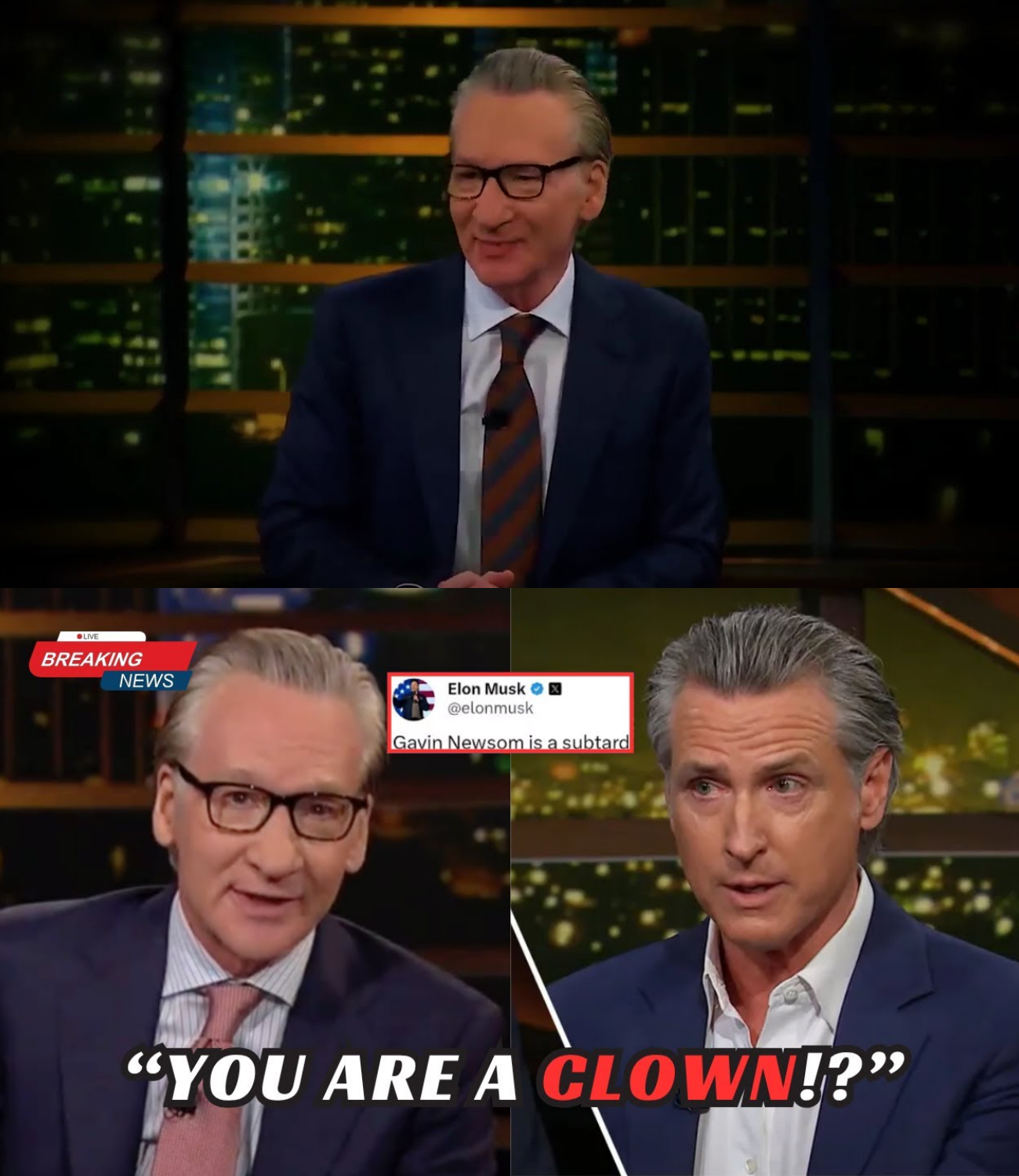
For years, Maher had positioned himself as the guy standing on the highway meridian, throwing rocks at cars going in both directions. He took equal pleasure in maddening Republicans and Democrats, conservatives and liberals, often leaving both flanks furious at the exact same time. That stubborn independence earned him a fiercely loyal audience and a stadium full of critics.
Yet, this wasn’t just another petty Hollywood feud. It was a proxy war over who gets to shape public conversations and whether genuine disagreement can survive in American politics.
In most media cycles, a television spat burns hot for forty-eight hours and vanishes. A headline flashes, social media feeds explode with performative outrage, people bicker over a long weekend, and then everyone moves on to the next shiny object. This argument stuck around because Maher’s critique wasn’t about an isolated comment. He was targeting the systemic enforcement of groupthink.
“You know better,” a senator’s voice echoed through a political replay, sharp and performative. “How dare you do that? You can go to the House, you can put up a drawer of paperwork, you can try to start articles of impeachment if you think there’s something illegal. Damn, it ain’t like y’all haven’t done it before. You impeached the man twice. Where did that get you? Got him right back in the race.”
When Maher dropped his line about the daytime show’s name, it traveled across the internet like wildfire. His supporters hailed it as a precise, necessary takedown of opinion-driven television. His detractors countered that he was unfairly dismissing a program explicitly designed for commentary, not straight news reporting. But the joke was just the packaging. The real commodity was certainty.
Modern media didn’t just prefer certainty; it financed it. Certainty manufactured the viral clips, drove the algorithmic engagement, and kept the digital ad revenue flowing. Doubt didn’t trend. Nuance didn’t go viral. The current ecosystem forced commentators to sound entirely absolute, even when the ground beneath them was shaking.
“If the headlines in your preferred news outlet routinely feature words like shreds, destroys, pummels, or bashes, your outlet is a partisan rag,” Maher told his audience, drawing a wave of applause. “Either that, or you’re reading a comic book. Same goes for obliterates, roasts, annihilates, and owns. You’re supposed to be a source of information, not a comedian at a celebrity roast.”
The argument resonated because the fatigue was real. Millions of Americans felt entirely exhausted by the tribalism, trapped in an environment where arguments felt pre-written and the sides were always the same.
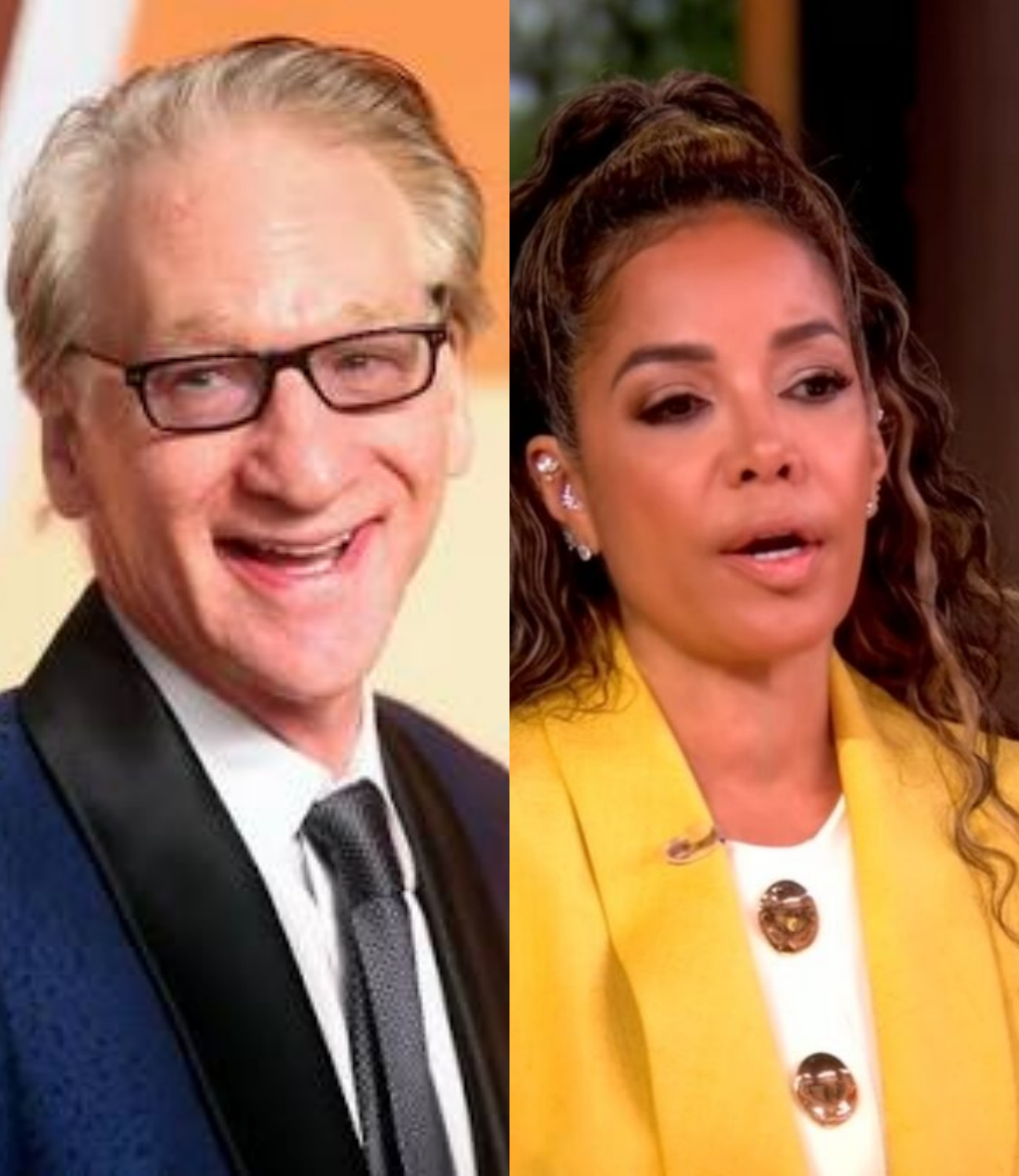
That was where personalities like Sunny Hostin entered the frame. As one of the most prominent voices on daytime television, she was a lightning rod. Her supporters saw her absolute confidence as a badge of honor—a woman who spoke directly, defended her values, and never backed down under pressure.
Her critics saw that same certainty as an iron curtain that dropped whenever a real discussion tried to break out. They argued that her approach turned what should have been an open debate into a courtroom where the verdict had been decided before the opening statements.
The polarization had transformed even the most mundane topics into cultural battlegrounds. Not long ago, the most innocent question you could ask a person at a dinner party was whether they preferred cats or dogs.
Today, that innocence was dead. When a couple of young actors recently admitted on a press tour that they weren’t fond of felines, the internet reacted with immediate, vicious condemnation. Everything had to be judged. Everyone had to have a flawless, morally pure stance on every piece of trivia.
The stakes grew significantly higher when the conversation shifted to real-world suffering and foreign policy. The debates over the Middle East exposed the deepest fissures in the culture, turning disagreements that once seemed manageable into highly emotional, zero-sum conflicts.
Maher remained staunchly vocal in his positions, frequently criticizing factions he believed received unearned sympathy from progressive circles. In response, his opponents pointed out the hypocrisy, arguing that Maher himself was just as stubborn, just as opinionated, and just as deeply entrenched in his own worldview as the television hosts he mocked.
It created a strange, mirror-image irony: both sides accused the other of the exact same sins, using the exact same vocabulary.

Ultimately, the conflict wasn’t about politics or television ratings. It was a crisis of trust—the most valuable and scarce currency in modern life. Once an audience trusts a host, they will listen. The moment that trust evaporates, the viewer begins looking for the strings. They start wondering if the conversation is real or just a scripted performance designed to make them cheer for their team.
The true target of Maher’s critique wasn’t a single host or a specific daytime program. It was a broader, institutional culture that discouraged independent thought. Too many newsrooms, studios, and universities had become intellectual bubbles, filled with people nodding at each other in agreement.
It was a dynamic that left a vast, silent segment of the country feeling entirely homeless—people who didn’t fit neatly into either political box, who were tired of being told what to think, and who wanted a genuine debate instead of an endless stream of safe, focus-tested talking points.
What makes a free society messy is precisely what keeps it resilient. People disagree, sometimes loudly, sometimes imperfectly, and often in ways that frustrate everyone watching. But that friction is essential.
The clash between these media figures would continue to generate headlines because it touched the central question of the digital age: Who gets to decide what we believe, how should our ideas be challenged, and does the media we consume force us to think, or merely tell us how to conform?