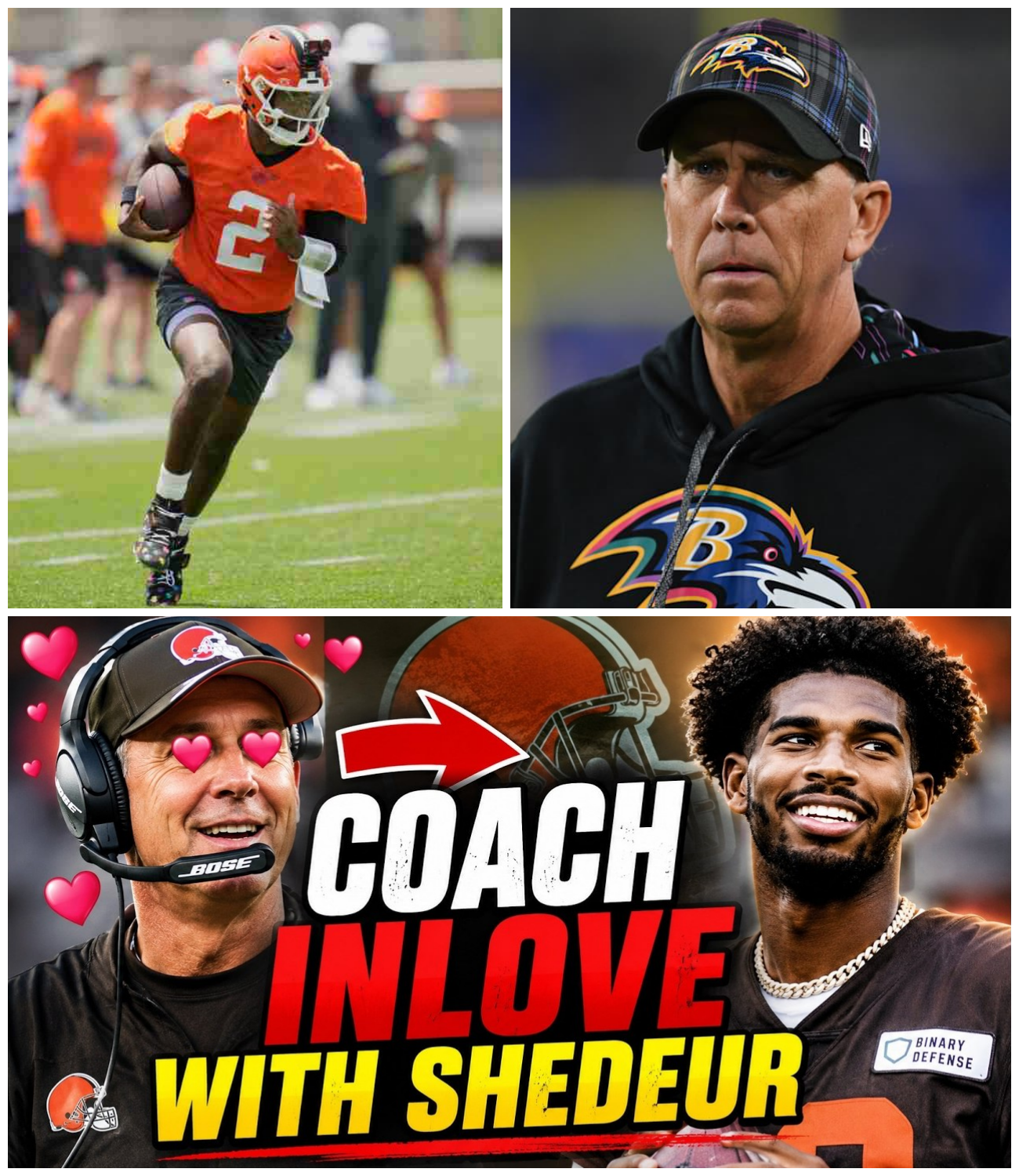
The NFL offseason is often defined by the silence of the gridiron, but in Cleveland, that silence has been replaced by a deafening roar of speculation. At the epicenter of this noise is a quarterback room that has become the most discussed, debated, and analyzed storyline in the entire league. While fans and pundits scramble to make sense of the latest rumors, the reality of the situation—centered around the availability and future of Shedeur Sanders—is far more complex than the headlines might suggest.
To understand how we arrived at this point, we must first look at the broader context of the league’s current landscape. The recent saga surrounding Brendan Sorsby served as a stark, if somewhat unrelated, prologue to the current uncertainty. Sorsby, a talented prospect whose career took a sudden, catastrophic turn due to documented gambling violations, found himself effectively locked out of the NFL by a league office eager to protect its image. While the league’s harsh stance on Sorsby sparked accusations of hypocrisy given its own deep ties to the sports betting industry, the core message was clear: the NFL is prioritizing the perception of integrity above all else. This environment of heightened scrutiny has inevitably trickled down, casting a shadow over every quarterback decision across the league.
Against this backdrop, the buzz regarding Shedeur Sanders has reached a boiling point. The spark was a report from a credible, long-time Cleveland radio voice, who stated on the record that there are ongoing discussions and calls regarding Sanders’ availability. This wasn’t an anonymous tip from an obscure social media account; it was a measured observation from a source with deep ties to the market. The claim was simple: the front office may not view Sanders as their long-term guy, and it might be in the best interest of all parties to explore other avenues.
This report set the fan base ablaze. Within hours, the speculation machine shifted into high gear. Content creators and opportunistic pundits rushed to fill the vacuum, spinning elaborate tales about specific teams calling, naming players in potential returns, and even claiming that a deal was nearing completion. However, it is vital to separate verified reporting from pure, unadulterated noise. The most reliable information currently suggests that while calls are being made, the team is not in “fire sale” mode. There is a meaningful, tangible difference between being open to a trade for the right price and actively pushing a player out the door.
For those attempting to track where Sanders might land, the landscape is shifting from gossip to educated analysis. Several teams, identified by their glaring needs at the quarterback position, have emerged as logical fits. A franchise in New York struggling for consistency, a Florida team with uncertainty behind their starter, and a desert-based organization currently navigating a contract standoff are all frequently mentioned. The Tampa Bay Buccaneers, in particular, represent a compelling case. With Baker Mayfield currently involved in a delicate contract situation and little depth behind him, Sanders could realistically serve as a high-upside developmental piece in Tampa, learning the system while Mayfield’s future remains in the balance.
However, the counter-narrative is just as compelling and, perhaps, more grounded in the team’s internal reality. There is a strong school of thought within the local media that trading Sanders now would be an egregious error in judgment. As a rookie, Sanders showed legitimate flashes of starting-caliber talent, often performing well despite a supporting cast that left much to be desired. Moving him now, especially for a modest mid-to-late round draft pick, would essentially be an admission of failure in player development.
Crucially, the loudest signal that the organization remains invested in Sanders comes from the coaching staff itself. Todd Monken, the architect of the offense, has been openly vocal about Sanders’ growth. Monken’s perspective is refreshing: he rejects the outdated framing of what constitutes a “mobile” quarterback. He sees in Sanders an agility and an ability to extend plays that, while different from the explosive speed of a Lamar Jackson, provides a distinct and valuable dimension to the offense. Monken’s genuine excitement about the work Sanders has put in this offseason—focusing specifically on escapability and pocket management—suggests a staff that is actively committed to developing his potential, rather than one planning his imminent departure.
This internal confidence speaks volumes. A head coach does not go on the record to defend his young quarterback’s evolution and praise his specific skill improvements if he is simultaneously preparing to ship him out before training camp. This suggests that the front office’s public stance—that they are not actively shopping him—is the most accurate reading of the situation. The noise surrounding potential trades, while understandable given the high stakes in Cleveland, may simply be a byproduct of a team that is finally looking to build a sustainable, coherent offensive structure.
As training camp approaches, the focus for the Browns must remain on creating stability. The franchise has made it clear that “bleepy” football—the undisciplined, penalty-heavy play that has plagued them in the past—will no longer be tolerated. Establishing a foundation of discipline is the prerequisite for any success, regardless of who is standing behind center. Monken, who has never operated under the daily microscope of the Cleveland media, faces a significant learning curve. How he manages the pressure of the press, the scrutiny of his play-calling, and the development of his young quarterbacks will be the defining narrative of the coming season.
Ultimately, the story of Shedeur Sanders in Cleveland is a testament to the volatility of the modern NFL narrative. Between the legitimate reports of inquiry and the tidal wave of speculation, it is easy to lose sight of the fact that this is a young player with significant promise, operating within an offense that is still finding its identity. If the front office can resist the urge to chase short-term clarity and instead commit to the long-term development of their most talented assets, they may find that the answer to their quarterback conundrum was in the building all along. The season, as always, will provide the final judgment. Until then, it is wise to view the trade rumors with a heavy dose of skepticism and focus on the one thing that truly matters: the work being done on the practice field, away from the noise and the headlines.