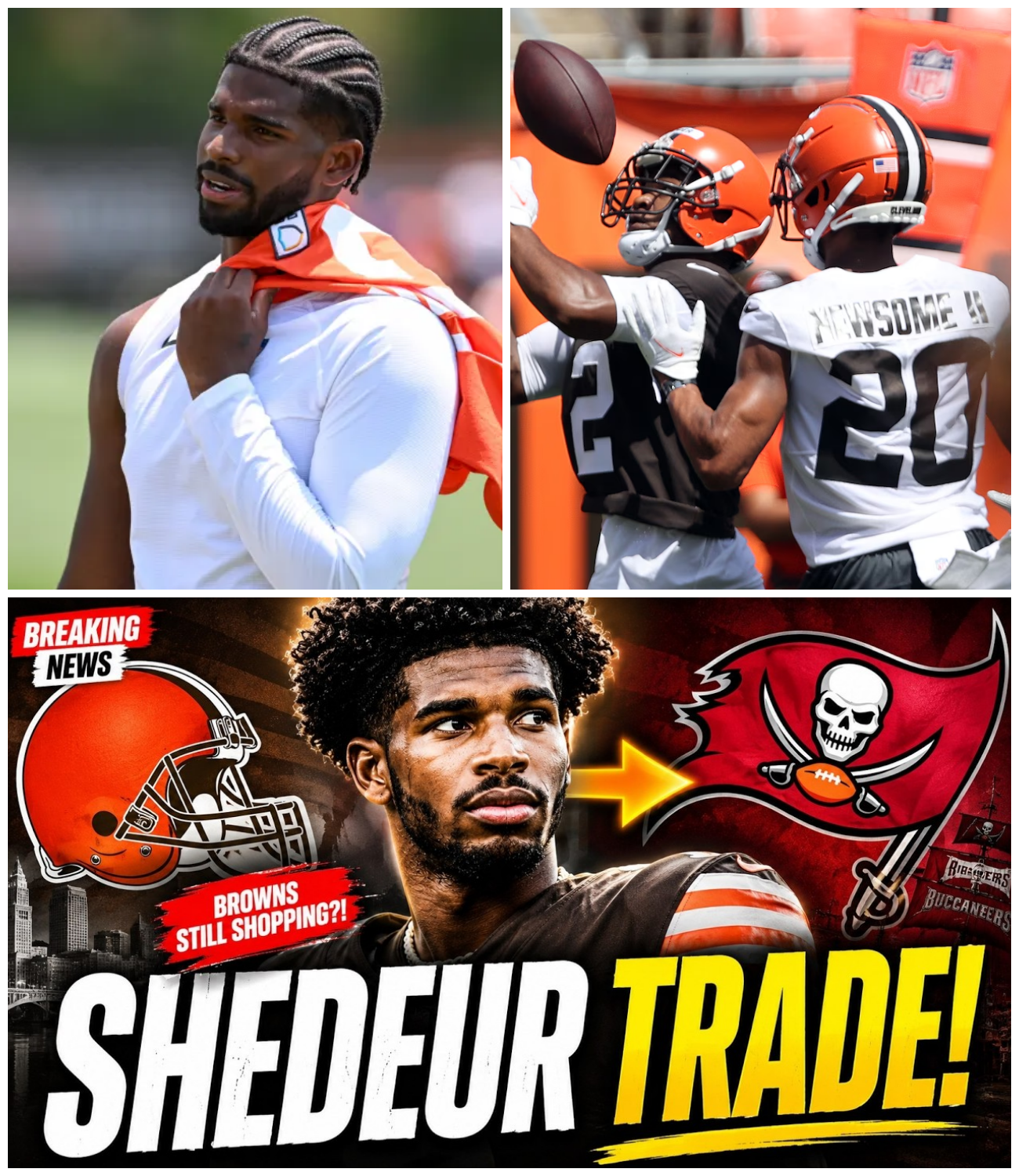
The modern NFL off-season is rarely just about player development and training camp drills. For the Cleveland Browns, this summer has evolved into a full-scale, dramatic narrative that sits at the intersection of collegiate scandal, league policy, and high-stakes roster management. As we approach the heat of the season, two distinct storylines have dominated the conversation: the dramatic exclusion of Brendan Sorsby from the professional ranks and the swirling, persistent rumors surrounding the potential trade of young quarterback Shedeur Sanders.
To understand the current tension in Cleveland, one must first look at the Sorsby saga. It is a story that has gripped the league’s attention, serving as a case study for the complicated, often contradictory relationship between the NFL’s reliance on gambling revenue and its rigid stance on “the integrity of the game.”
The Sorsby Saga: A Lesson in Consequences
Brendan Sorsby, a quarterback who navigated the collegiate landscape from Indiana to Cincinnati and finally to Texas Tech, found himself at the center of a firestorm when court documents revealed he had placed thousands of bets, totaling over $90,000. Crucially, some of these wagers involved his own team during his freshman year. When the NCAA declared him permanently ineligible, Sorsby attempted to litigate his way back onto the field. For a fleeting moment, a Texas court granted him a temporary injunction, effectively bypassing the NCAA’s ruling.
However, the pressure from the broader football community—where coaches and administrators feared a precedent that would undermine the entire collegiate enforcement system—was immense. Texas Tech, under pressure from high-level boosters and institutional stakeholders, eventually signaled that Sorsby would not play. Consequently, Sorsby dropped his lawsuit, inadvertently sealing his collegiate fate and ending his amateur career.
His subsequent attempt to enter the NFL’s supplemental draft was met with a blunt, legally charged rejection from the league office. The NFL’s letter to Sorsby was scathing, citing his “sustained pattern of improper gambling” and a lack of accountability. While the league framed this as an issue of integrity, observers were quick to point out the hypocrisy of a multi-billion-dollar entity that integrates sports betting partnerships into every facet of its broadcast and stadium experience.
From the host’s perspective, this was a “business decision wearing a principal as a costume.” The league clearly aimed to avoid the public relations nightmare of vetting a messy, contested gambling case just days before training camp began. The resulting fallout—Sorsby’s legal team claiming a violation of the Collective Bargaining Agreement (CBA) and the NFL standing firm on its “privilege, not a right” mantra—leaves a talented player without a path to the NFL in the immediate future. For fans in Cleveland who once speculated about the Browns taking a flyer on Sorsby, that door is now firmly shut.
The Sanders Trade Rumors: Fact vs. Fiction
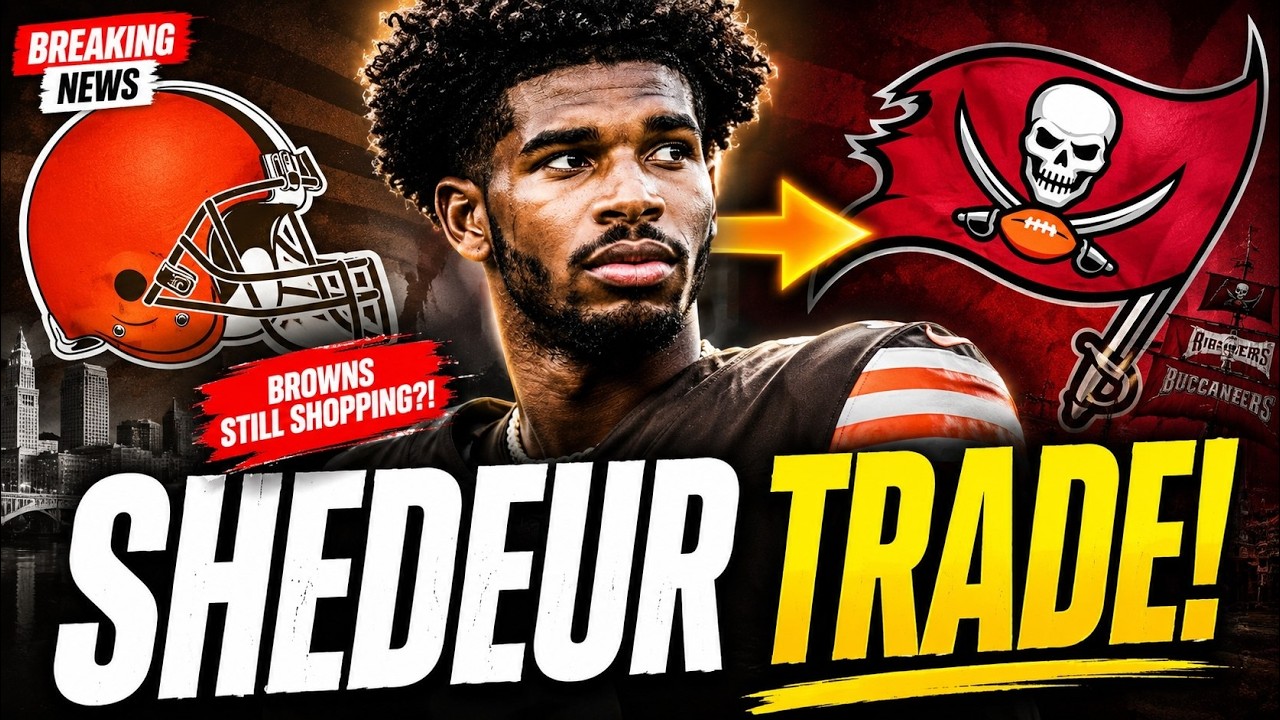
While the Sorsby drama has concluded, the conversation in Cleveland has shifted dramatically toward the future of Shedeur Sanders. Unlike the Sorsby situation, which was defined by external league and NCAA intervention, the Sanders story is a classic, high-stakes internal personnel drama.
Recent reports from credible, well-connected local radio voices have confirmed that “real calls” are being made regarding Sanders’ availability. This is not mere social media noise; it is a substantive development. The core of the issue is whether the Browns’ front office views Sanders as a long-term solution or as a piece of trade capital.
The narrative surrounding Sanders is layered. On one hand, he is a young quarterback with raw, undeniable talent who flashed legitimate potential as a rookie. Proponents of keeping him argue that trading a quarterback with his ceiling—especially for what would likely be a mid-to-late round draft pick—is shortsighted and represents poor asset management. They argue that Sanders simply hasn’t had the sustained, structured support he needs to thrive at the professional level.
On the other hand, the reality of the Browns’ quarterback room is complicated by the presence of a veteran with a massive, $46 million salary cap anchor. This financial commitment creates a rigid environment where the team cannot simply pivot to a younger, cheaper option without acknowledging that their expensive veteran gamble may be failing. This tension leads to the uncomfortable, yet persistent, possibility that the Browns might listen to trade offers for Sanders if the price is right.
The Buccaneer Connection
As trade rumors circulate, one team has emerged as a particularly logical suitor: the Tampa Bay Buccaneers. The logic here is not based on wishful thinking but on tangible roster needs. Baker Mayfield, currently the starter in Tampa, is embroiled in a contract standoff. With no long-term extension in sight and a backup quarterback situation that is widely considered one of the weakest in the NFL, the Buccaneers are in a precarious position.
For Tampa Bay, acquiring Sanders could be a strategic masterstroke. It would provide them with a high-upside player who could develop under the radar before eventually competing for the starting job should Mayfield depart in free agency. While no trade is imminent, and the Browns are not currently in a “fire sale” mode, the synergy between Tampa’s needs and the Browns’ surplus of quarterback talent makes this a storyline to watch closely as training camp opens.
The “Noise” and the Reality
The Browns’ off-season has been defined by an obsession with “noise” in the quarterback room. Some analysts, including former players, have raised valid questions about whether Sanders has fully integrated into the locker room or if he is simply being outperformed by the veteran presence. Others argue that Watson’s experience in multiple systems naturally gives him an edge, making the perceived “competition” appear more skewed than it actually is.
Regardless of where one stands on the trade rumors, it is clear that the Browns are dealing with a classic organizational dilemma: the push-and-pull between winning now and preparing for the future. Patience is a rare commodity in the NFL, yet it is often the most important asset. Blowing up a quarterback situation before giving a young talent an extended, fair look as a starter is a gamble that rarely pays off in the long run.
As we look toward the upcoming season, the picture remains murky. If the Browns choose to keep Sanders, they must manage the persistent chatter surrounding his future while navigating the pressures of a high-priced veteran roster. If they trade him, they risk losing a potential cornerstone of their future for pennies on the dollar.
What remains certain is that the Cleveland Browns have captured the attention of the entire league. Whether this drama resolves in a quiet, competitive training camp or a blockbuster trade, the eyes of the NFL will remain fixed on Berea. For the fans, the only certainty is that this off-season soap opera is far from its final act. As the pads go on and the real work begins, the true test will not be in the trade rumors or the media speculation, but in who proves they can lead the team when it matters most: on the field.