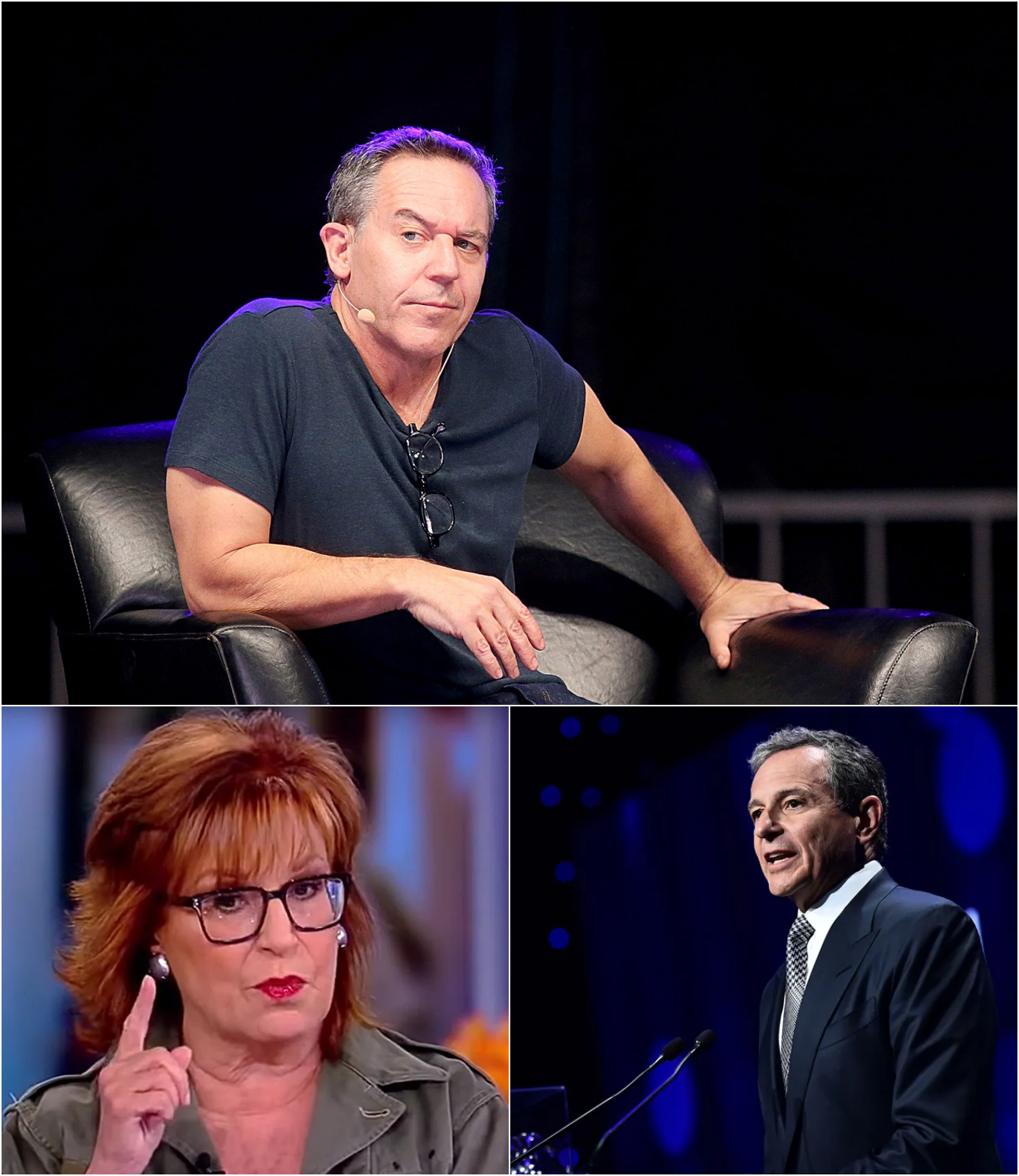
The modern media landscape is currently undergoing a massive structural correction, and the epicenter of this tectonic shift has formed directly underneath the iconic desk of ABC’s long-running daytime talk show, The View. For over two decades, the program has operated as a cultural and political institution, serving as a powerful platform where a panel of distinctly opinionated women shape daytime discourse. However, a series of explosive new reports suggests that the once-impenetrable armor surrounding the show has shattered. High-level entertainment executives at Disney and ABC News, reportedly led by Disney CEO Bob Iger himself, have intervened with a stark directive: the co-hosts must immediately tone down their relentless political bashing and hyper-partisan rhetoric.
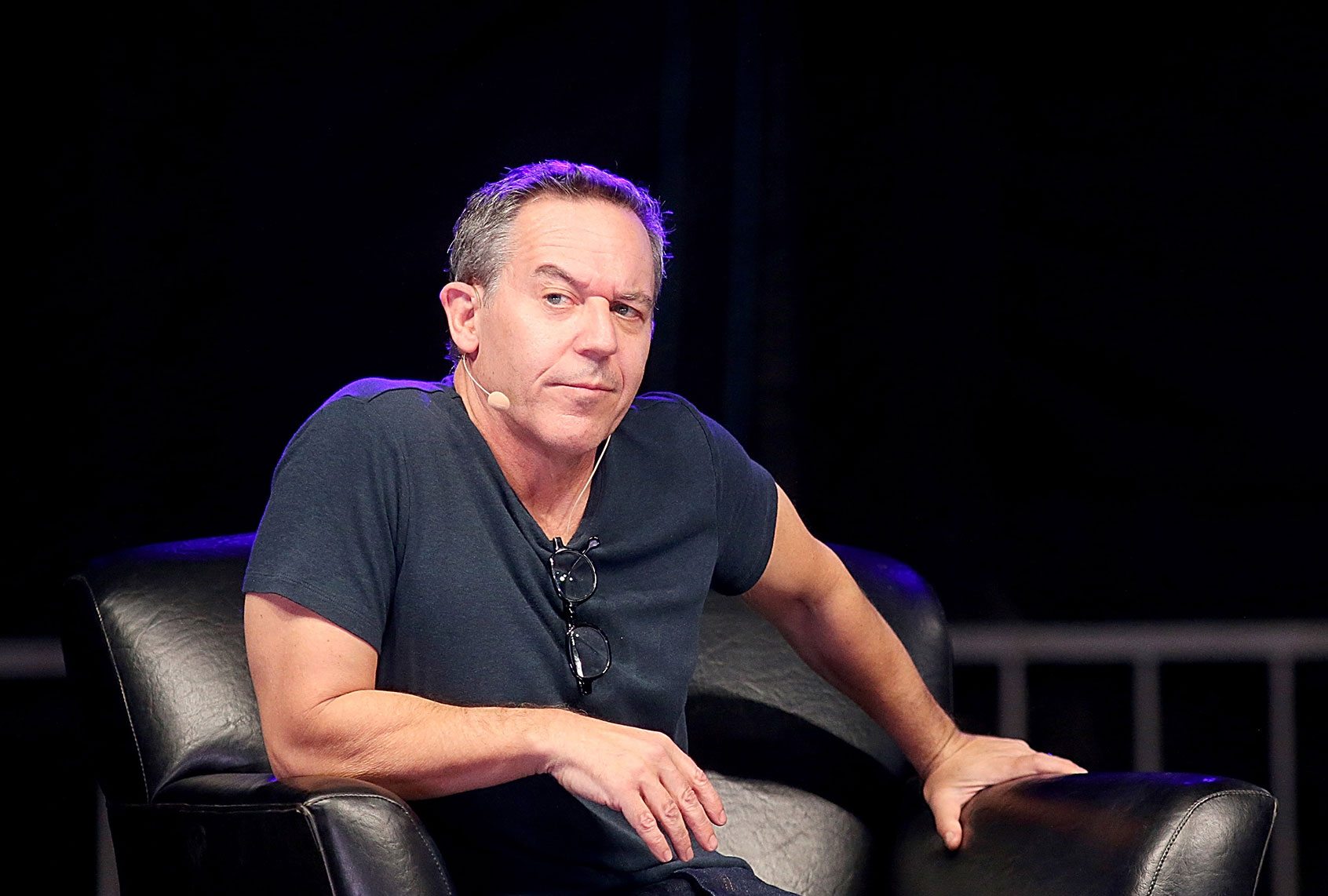
This behind-the-scenes corporate crisis did not remain a corporate secret for long. The moment reports surfaced regarding Disney’s internal pressure to muzzle the daytime outrage machine, Fox News late-night host Greg Gutfeld seized the opportunity. What followed was a spectacular, highly coordinated on-air roast that quickly went viral, transforming a legacy media controversy into an absolute masterclass in political satire. Gutfeld’s clinical dismantling of the show exposed a deeper, structural rot within traditional network broadcasting, highlighting a profound disconnect between wealthy media personalities and the everyday working-class audiences who are tuning out in record numbers.
To fully understand the severity of this network civil war, one must look closely at the changing priorities at the highest levels of corporate entertainment. The Walt Disney Company, a massive global empire built on universal family entertainment, has faced significant commercial headwinds, box office disappointments, and intense public scrutiny over perceived political signaling in its creative content. In corporate conference rooms, the realization has set in that alienating half of a potential consumer base is catastrophic for long-term brand equity. According to industry insiders, the persistent, unyielding political lectures delivered daily on The View have transformed from a reliable ratings driver into a toxic liability.
When television personalities use live airtime to alienate large swaths of the American public, they create a commercial environment that advertisers are increasingly desperate to avoid. The core issue driving Disney’s sudden intervention is not an overnight shift in corporate morality, but rather the cold, hard reality of collapsing viewership data. Network television relies entirely on a steady stream of viewers to justify its premium advertising rates. When those viewers migrate en masse to alternative media platforms like independent podcasts, streaming documentaries, and unfiltered digital content creators, the legacy networks are forced to confront their own impending obsolescence.
Greg Gutfeld, who has steadily built a dominant late-night television presence by mocking the self-importance of traditional media institutions, recognized that the Disney-engineered crackdown on The View was the ultimate validation of his long-standing critiques. On his broadcast, Gutfeld systematically pulled back the curtain on the performance art that defines modern daytime talk television. He described the panel not as a source of meaningful, nuanced national conversation, but rather as a highly paid echo chamber designed to generate cheap social media headlines through manufactured moral outrage.
With his trademark blend of dark humor and sharp media analysis, Gutfeld compared the current state of The View to a daytime television coliseum where instead of brave gladiators, viewers are subjected to highly compensated media elites throwing rehearsed talking points and predictable insults at each other. He noted with devastating precision that the show has slowly morphed into a parody of itself, operating as a closed-loop system where alternative viewpoints are not debated, but rather immediately shouted down and labeled dangerous. To Gutfeld, the reported corporate intervention by Disney leadership was not a heavy-handed act of censorship, but rather an long-overdue exercise in corporate damage control.
The structural problem plaguing legacy talk formats is rooted in the predictability of the content. Audiences possess an incredibly sharp instinct for identifying forced narratives and disingenuous pandering. For years, the established formula for daytime political commentary involved taking complex, multi-layered national debates and reducing them to simple, black-and-white morality plays. In this environment, every minor policy disagreement is treated as an existential national crisis, and every opposing viewpoint is framed as an act of bad faith. This relentless elevation of the cultural temperature has had a profound exhausting effect on the viewing public.
During his viral segment, Gutfeld took direct aim at this exhausting cycle of outrage, highlighting specific instances where the hosts appeared completely unmoored from the day-to-day economic and social realities of ordinary citizens. When a legacy program spends hours debating the psychological implications of a political figure’s laughter or hyper-focusing on niche social media controversies while working-class families struggle with inflation, housing costs, and basic economic security, the ideological divide becomes an unbridgeable chasm. Gutfeld argued that the panel’s collective inability to see outside their immediate socioeconomic bubble has turned the show into a cultural oddity rather than a respected voice of the people.

Furthermore, the breakdown in ratings underscores a massive generational shift in how media is consumed and evaluated. Modern audiences do not want to be lectured, condescended to, or told what to think by wealthy media figures who face zero real-world consequences for the policies they promote. The meteoric rise of independent media channels is a direct result of consumers searching for authenticity, open debate, and intellectual humility—qualities that are conspicuously absent in a tightly scripted, highly engineered legacy television format. When network bosses are forced to step in and remind their talent to remain respectful and balanced, it serves as an explicit admission that the talent has completely lost their internal editorial compass.
The irony of the situation was a central theme of Gutfeld’s relentless commentary. For years, prominent figures within traditional media institutions actively supported and weaponized cancel culture, cheering on the public destruction of anyone who stepped outside the accepted ideological consensus. Now, as the economic tides turn and public interest wanes, these very same personalities find themselves facing severe corporate pressure and the looming threat of professional irrelevance driven by the cold, calculating mechanics of network economics. It is a stark reminder that in the volatile world of entertainment media, no program is truly untouchable, and no legacy format is immune to the laws of supply and demand.

As the current television season progresses, the future of legacy daytime talk shows remains deeply uncertain. The reported mandate from Disney and ABC leadership represents a desperate, final attempt to steer a sinking flagship back toward mainstream commercial viability. However, changing the tone of a show that has built its entire modern identity on partisan warfare is an incredibly difficult task. If you remove the constant outrage, the viral shouting matches, and the predictable political targeting, what substance actually remains to hold an audience’s attention?
Ultimately, this explosive showdown between corporate executives, legacy television hosts, and independent late-night commentators serves as a historical case study for the entire media industry. It proves that loud opinions and aggressive rhetoric can never permanently substitute for genuine human connection, balanced reporting, and honest conversation. When a television program chooses to prioritize performance over substance, it sets an expiration date on its own relevance. As audiences continue to tune out the screaming matches and tune into media that respects their intelligence, legacy shows will either adapt to this new era of authenticity or risk fading quietly into corporate history as a relic of a highly divided past.