
A High-Stakes Confrontation on Capitol Hill
The quest for truth regarding Jeffrey Epstein’s network has long been marred by secrecy, dead ends, and a profound lack of trust in official narratives. Recently, that tension erupted in a dramatic, televised congressional hearing when FBI Director Cash Patel found himself cornered by Representative Adam Schiff. The exchange was not merely a legislative formality; it was a high-stakes clash that highlighted the growing divide between bureaucratic stonewalling and the public’s desperate demand for accountability [00:00].
As the hearing unfolded, the atmosphere grew increasingly volatile. At the heart of the conflict were the infamous files associated with Epstein—documents that have been the subject of speculation for years. Schiff’s line of questioning cut straight to the core, aiming to dismantle the narrative that Epstein operated in a vacuum. He pressed Patel on a crucial point: who, besides Epstein, was trafficked in this network? The exchange became a battleground over what constitutes “credible evidence” versus what survivors have been shouting for years [03:05].
The Question of Transparency
Before taking the helm at the FBI, Cash Patel had cultivated a public image of radical transparency. In previous interviews, he had asserted that he held the keys to the kingdom, specifically mentioning the “Black Book”—the directory of Epstein’s associates—and claiming it was under the direct control of the FBI director [02:07]. However, once he assumed the office, his tone underwent a marked shift. During the hearing, when reminded of his earlier promises, Patel leaned into legalistic explanations, citing procedures and the ongoing status of investigations [02:20].
This shift was not lost on critics. To many, it appeared as though the bold reformer had been replaced by a cautious bureaucrat shielded by red tape. Schiff pushed back, questioning if the legal barriers cited by the FBI were genuine obstacles or convenient excuses. The failure to provide concrete examples of the FBI actively petitioning courts to unseal files left many observers wondering if the “most transparent FBI director in history” was living up to his own standards [09:08].
The Survivors’ Perspective vs. The Bureaucracy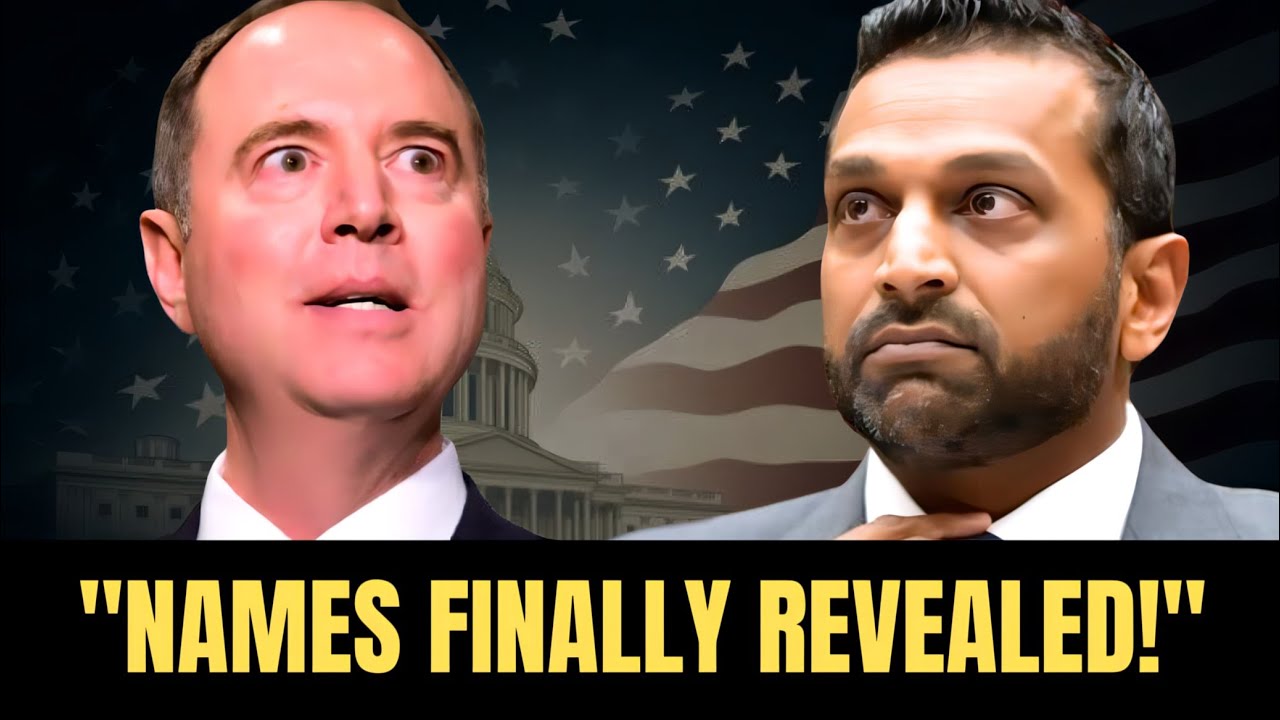
Perhaps the most jarring aspect of the hearing was the disconnect between the official Department of Justice assessment and the testimony of survivors. Patel maintained that across three different presidential administrations, there had been no credible information to prosecute anyone other than Epstein himself [03:52]. This assertion stands in direct, painful contrast to the lived experiences of survivors like Virginia Giuffre, who have consistently maintained that they were trafficked to other powerful individuals.
When a government agency claims there is “no credible information” while victims claim they were sold to members of a wider, elite network, the resulting cognitive dissonance is explosive [10:06]. This discrepancy is the source of the public’s frustration. For the survivors, the bureaucratic denial of their experiences feels like a secondary victimization, an erasure of their trauma hidden behind sealed court files and redacted reports [14:09].
The Mystery of the “Cast of Characters”
The tension reached a fever pitch when the conversation turned to Ghislaine Maxwell. During her own interviews, Maxwell alluded to a “cast of characters”—men of immense power, some supposedly holding cabinet positions—who were associated with Epstein [04:48]. When Schiff demanded to know who these individuals were, Patel was evasive, pointing instead to the publicly released transcripts [05:42].
The refusal to address these high-level associations directly fueled suspicions. If the names were innocuous, why the reluctance to address them? Furthermore, the discussion shifted to the timing of Maxwell’s transfer to a lower-security prison shortly after her FBI interviews. While Patel insisted that the Bureau of Prisons made the decision independently of any political or investigative interference, the optics of the situation were, at best, deeply unfortunate [06:22]. The incident reinforced the public perception that in the world of the ultra-wealthy and politically connected, coincidences are rarely just coincidences.
A System in Need of Reform
The conflict between Schiff and Patel ultimately served as a microcosm for a larger, more systemic issue: the failure of the American legal system to balance the protection of victims with the exposure of deep-seated corruption [16:03]. The legal reality is that the Epstein files are locked in a labyrinth of grand jury rules, search warrant seals, and protective orders. However, these are not insurmountable walls; they are barriers that can be navigated with the political will to do so [12:19].
For meaningful progress to occur, the approach to these files must be survivor-centered. This means implementing redaction standards that protect victims while simultaneously opening doors to information that the public has a right to see [14:31]. It means moving past the current stage of partisan bickering and toward a bipartisan push for subpoenas and documented action [15:07].
The Path Forward
The exchange on the House floor was a wake-up call. It reminded the American public that transparency is not something that is simply granted; it is something that must be demanded and fought for. Without receipts, without clear motions filed in court, and without a genuine commitment to hearing the survivors, empty promises of reform will continue to fall on deaf ears [17:09].
As this saga continues, the Epstein files remain a mirror of our institutions. They reflect whether or not we still possess the courage to hold the powerful accountable or if privilege remains an impenetrable shield [17:16]. For those watching, the message is clear: do not settle for the soundbites. Demand the process, support reform, and keep the pressure on leaders to prove their transparency with action rather than words. The pursuit of truth is a long, difficult road, but it is the only way to ensure that justice is not just a concept, but a reality for those who have suffered the most [16:36].
Full video: