
In a high-stakes confirmation hearing that left observers stunned, Senator Alex Padilla delivered a masterclass in accountability, systematically dismantling the defenses of attorney general nominee Pam Bondi. What was expected to be a standard, perhaps routine, confirmation process quickly transformed into a gripping, real-time unraveling of a political nominee. As Padilla pressed for evidence and constitutional clarity, the tension in the room grew palpable, culminating in a moment where the nominee’s carefully crafted narrative simply could not withstand the weight of direct, factual questioning.
The Breakdown of a Reputation
From the moment the questioning began, it was clear that Senator Padilla was not interested in performative politics or partisan grandstanding. Instead, he employed a calm, methodical approach that effectively cornered Bondi. For viewers at home, the contrast was stark: Padilla was armed with a firm grasp of the facts and a relentless demand for transparency, while Bondi appeared increasingly flustered, her posture shifting from prepared confidence to visible discomfort as the hearing progressed [00:00].
The core of the confrontation centered on the 2020 presidential election. Bondi, who had previously aligned herself with the Trump campaign’s efforts to challenge the results, found herself unable to answer basic questions regarding evidence of fraud. Padilla, drawing on his own experience as California’s Secretary of State, recalled the frantic days following the election when he had openly invited any campaign associates to provide proof of irregularities. Four years later, that evidence remains non-existent [02:03].
The Pennsylvania Pivot
The most electric moment of the hearing arrived when Padilla challenged Bondi’s past assertion that Donald Trump had “won” Pennsylvania. At the time of that claim, millions of ballots remained uncounted. Padilla didn’t ask for a speech; he asked for a “yes or no” on whether she possessed any evidence to support her claims of election fraud [02:25].
Instead of a direct answer, Bondi attempted a series of deflections. She tried to pivot to topics like California wildfires and personal pleasantries, hoping to steer the conversation away from the uncomfortable reality of her past statements [02:40]. Padilla, however, would not be sidelined. “Do you have evidence, yes or no?” he asked repeatedly, cutting through the rhetoric until it became painfully clear to everyone in the room that the evidence did not exist [09:04].
A Constitutional Crisis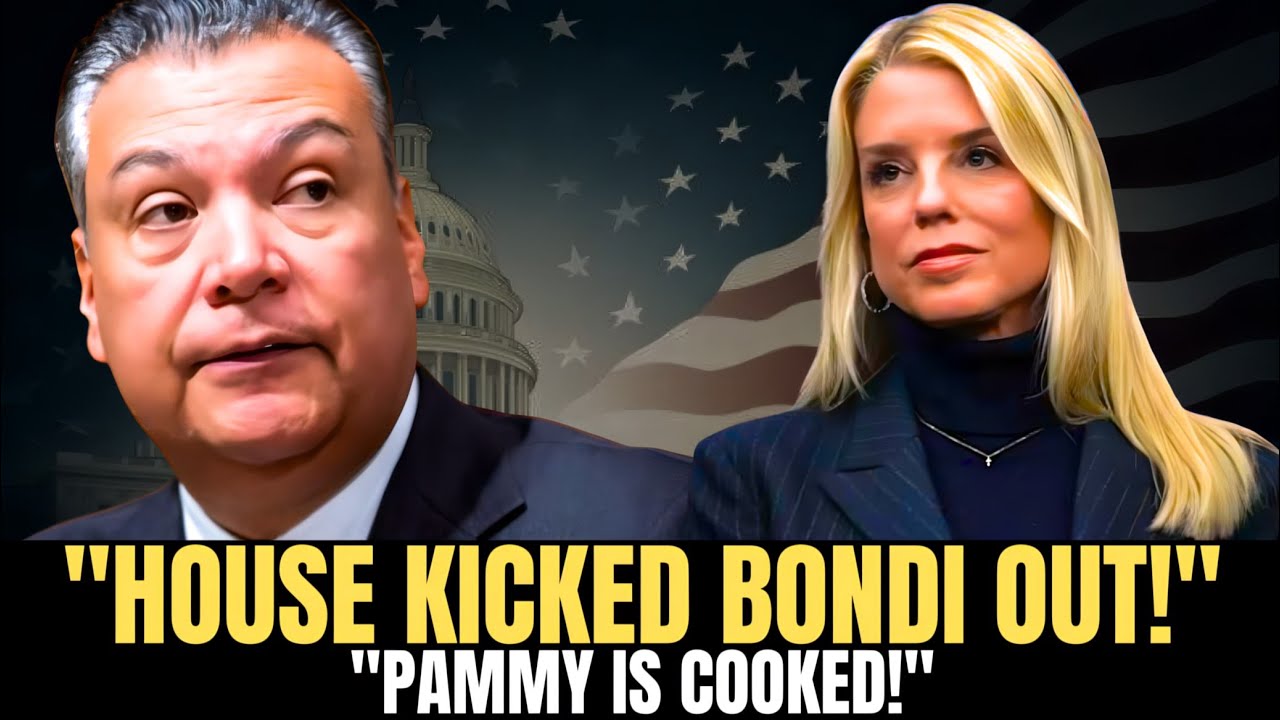
The frustration peaked when the conversation turned to the 14th Amendment of the U.S. Constitution. Padilla noted that in a meeting just the day prior, Bondi had appeared unfamiliar with the document. He provided her with the opportunity to study it overnight, fully expecting a nominee for the nation’s top law enforcement position to be prepared. When he asked her to explain the citizenship clause, her dismissive response—”I’m not here to do your homework”—was met with disbelief [05:17].
When Padilla followed up by asking if she considered birthright citizenship to be the law of the land, Bondi’s admission that she would “need to study it” sent shockwaves through the hearing [06:10]. For a legal professional of her stature, the inability to articulate a stance on such a foundational constitutional principle appeared to many as a disqualifying gap in her readiness for the role.
The Loss of Credibility
Throughout the hearing, a clear pattern emerged. Every time Bondi was faced with a direct question regarding the truth, evidence, or the Constitution, she resorted to evasion or filibustering. Padilla masterfully highlighted these gaps, pointing out that an attorney general must be a person who subscribes to facts and evidence, rather than politically convenient conspiracy theories [04:11].
He reminded the committee of the broader context, noting that others who had stood alongside her in similar efforts had since been disbarred for presenting false claims in court. By refusing to retract her previous statements or acknowledge the lack of evidence for her claims, Bondi inadvertently signaled that her loyalties remained tethered to the very narratives that have faced widespread debunking by courts and election officials across the country [10:07].
Why This Moment Matters
What made this exchange so significant was not just the specific topics discussed, but the demonstration of how fragile political rhetoric becomes when met with uncompromising factual accountability. Padilla did not need to shout or grandstand; he simply held the receipts. By pinning the nominee to her own words and record, he revealed a disconnect between her public persona and her actual capabilities [13:35].
As the hearing concluded, the damage to the nominee’s credibility seemed irreversible. Viewers and committee members alike were left with a haunting question: If a nominee cannot answer straightforward questions about the most sensitive legal responsibilities in the country, how could they possibly be entrusted with the office of Attorney General? [13:12]
This confrontation will undoubtedly be remembered as a turning point in the confirmation process. It serves as a reminder that in the halls of power, accountability is not just a concept—it is a practice. And on this day, in that hearing room, it was practiced with precision, leaving no room for doubt about where the truth stood. As the discussion continues to ripple across social media and political circles, the footage of this takedown remains a vital artifact of a moment where reality finally caught up with political narrative [14:22].
The video of the exchange has since become a focal point for public discussion, highlighting the intense scrutiny that accompanies high-level appointments and the power of a single, well-placed question to change the course of a debate entirely [14:36].
Full video: