A Blistering Confrontation in Congress
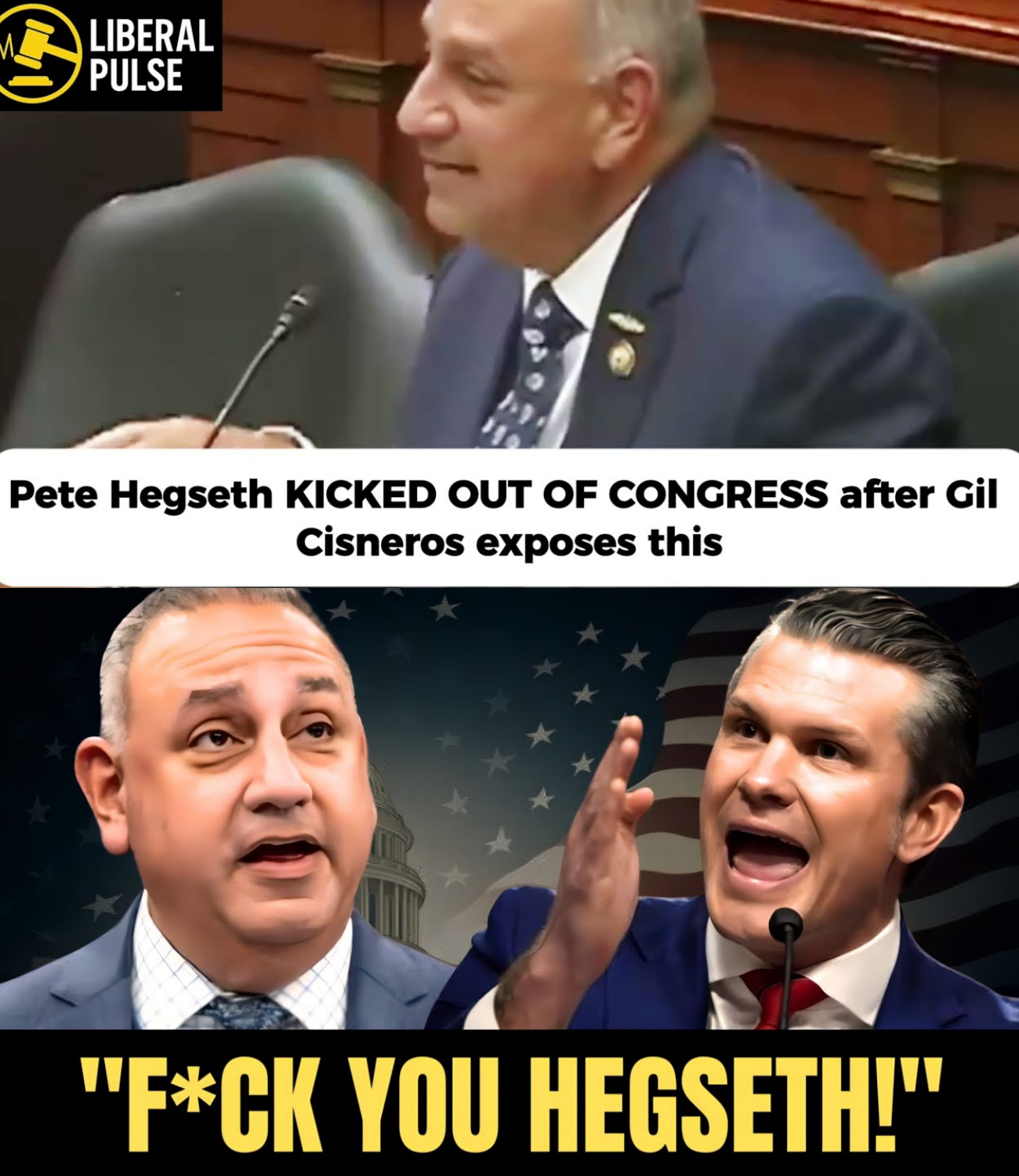
In a moment that many are calling a “political lightning strike,” Representative Gil Cisneros recently took to the floor to deliver a scathing critique of the current administration’s management of the United States military. Representing California’s 31st district, Cisneros didn’t just offer standard political pushback; he dismantled the administration’s narrative, exposing what he characterized as a dangerous, systemic misuse of military power and resources.
For those watching the proceedings, it was clear that Cisneros was not interested in pleasantries. He dove headfirst into an examination of the deployment of the National Guard and Marine combat battalions within his own district, framing these actions not as security measures, but as calculated attempts at intimidation.
The History Lesson: Protecting Democracy vs. Scoring Points
Cisneros provided a sharp historical contrast to highlight the gravity of the current situation. He invoked the actions of President Lyndon B. Johnson, who famously federalized troops in Alabama. As Cisneros reminded the chamber, Johnson did so with a specific, noble purpose: to enforce civil rights and ensure that black students could attend the University of Alabama after being blocked by local leadership.
In stark contrast, Cisneros argued that the current deployment in Southern California serves an entirely different, more cynical purpose. He contended that there was no request for help from the state and that the military presence was purely optics—a tool used to incite fear and send a message to American citizens. By framing it this way, he positioned the current administration’s actions as an abuse of power, designed to turn the military into a political prop rather than a defender of the peace.
Security Failures and Operational Negligence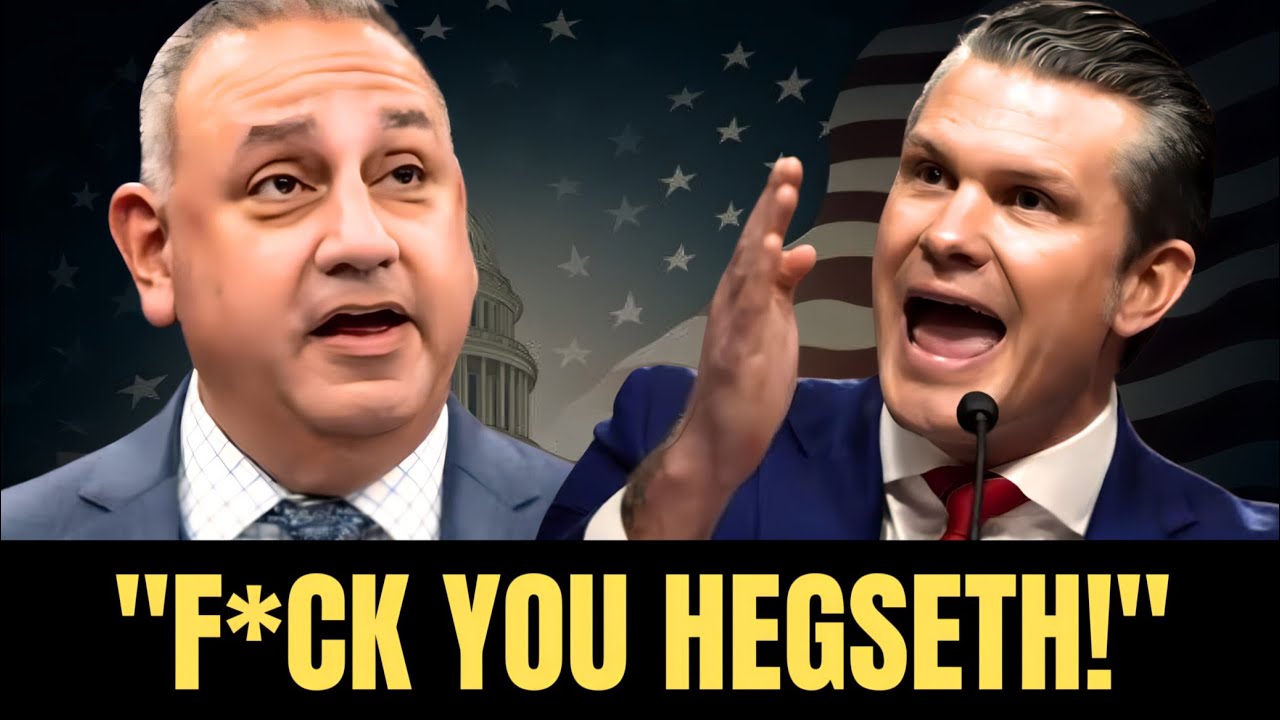
Perhaps the most alarming part of Cisneros’s testimony involved the alleged handling of sensitive military information. He accused administration officials of sharing classified data over unclassified networks—a failure of basic Operational Security (OPSEC) that, in any other administration, would be a career-ending scandal.
“This was blatant, lazy, and put service members’ lives at risk,” Cisneros stated during the hearing. He further challenged the presence of personal devices in secure areas, or SCIFs (Sensitive Compartmented Information Facilities), pointing out the hypocrisy of officials who claim to be patriots while failing to protect the very secrets that keep service members safe. To Cisneros, this isn’t just bureaucratic incompetence; it is a profound negligence that contradicts the administration’s stated commitment to national security.
Financial Mismanagement and the Purge of Merit
The critique extended to the administration’s fiscal priorities. Cisneros lambasted the decision to impose 8% across-the-board cuts to military services. Far from a cost-saving measure to reduce waste, he alleged that these funds were being diverted to bankroll President Trump’s pet projects.
He described the move as “robbing Peter to pay Paul,” with the “Peter” in this scenario being service members living in inadequate, deteriorating barracks. The human cost of these policies, according to Cisneros, goes beyond finances. He highlighted the purging of high-performing service members who, despite receiving recommendations for promotion and professional awards, were being separated from the military.
Cisneros suggested that these individuals were being forced out not due to performance issues or national security threats, but because of political bias. He argued that labeling dedicated soldiers as threats without justification is a form of sabotage that demoralizes the entire force.
The Recruiting Crisis and the DEI Debate
The discussion inevitably turned to the ongoing military recruiting crisis. Cisneros pointed out that the military had actually begun to see improvements in recruitment prior to the current administration’s tenure, thanks to strategic investments in outreach and support. He argued that the current policies—including the divestment from these programs and the hostile political environment—have directly caused the recent downward trend in recruitment numbers.
Furthermore, Cisneros took on the administration’s attacks on Diversity, Equity, and Inclusion (DEI) initiatives. He challenged the “lazy narrative” that diversity initiatives weaken the military. Instead, he maintained that diversity is fundamentally about opportunity, allowing talented Americans to rise based on their hard work, skill, and merit rather than their background.
“The same people attacking diversity and claiming it’s social engineering have no problem filling the ranks with political loyalists,” Cisneros noted. He concluded the segment by pointing out the irony that, by his own definition of merit, the only person currently in the Pentagon who might not qualify is the official being questioned, whom he accused of gaining his position through political sycophancy rather than actual military achievement.
Conclusion: A Call for Accountability
Representative Gil Cisneros’s performance was more than just a partisan jab; it was a demand for fundamental accountability. By highlighting the intersections of fear-based politics, operational negligence, fiscal irresponsibility, and the undermining of merit-based advancement, he painted a picture of an institution at a crossroads.
As the debate continues, the question remains: is the military being operated to ensure national readiness and protect those who serve, or has it become an instrument for political maneuvering? Cisneros has clearly made his stance known, and his message to the American public is one of vigilance. True patriotism, he suggests, is not found in slogans or staged events, but in the competence, integrity, and protection of the men and women in uniform. Whether or not this “lightning strike” leads to tangible change in Washington remains to be seen, but the message was heard loud and clear.
Full video: