The world of daytime television is usually a place for comfortable debates, lighthearted banter, and the occasional spirited disagreement. However, a recent firestorm involving the long-running show The View has transformed that stage into a battleground for truth, media accountability, and cultural integrity. When conservative activist Charlie Kirk, founder and CEO of Turning Point USA (TPUSA), decided to challenge the hosts over remarks made about his organization’s recent youth summit in Tampa, Florida, he triggered a chain of events that many are calling a true “reckoning” for the network.
The Spark of the Conflict
The trouble began when the hosts of The View engaged in a discussion about a Turning Point USA summit. During the broadcast, they linked the 5,000 high school and college students in attendance to protesters outside the venue, effectively painting a generation of young conservative activists with an incredibly damaging brush. The show’s narrative suggested a connection between these young people and neo-Nazi groups.
For those watching, it felt like a classic case of media overreach. As Charlie Kirk later pointed out, the individuals being labeled as part of the event were, in fact, random protesters located outside on public property—people who were never invited and were, by all accounts, not part of the summit itself. The attempt to equate thousands of young, civically engaged students with hate groups ignited immediate and widespread outrage.
A Calculated Takedown
Unlike many public figures who might simply post a tweet or issue a press release, Charlie Kirk chose a different, more surgical approach. Rather than relying on emotional outbursts, he utilized his platform to dismantle the network’s narrative using cold, hard facts. He laid out the timeline, provided timestamps, and highlighted the discrepancies in the information presented on national television.
Kirk’s response was a masterclass in modern advocacy. By focusing on the potential for long-term, life-altering damage to the reputations of the 17- and 18-year-olds who attended the event, he shifted the conversation from political squabbling to the ethics of journalism. He made it clear that while he is accustomed to being a target, smearing thousands of minors is a line that simply cannot be crossed.
The Legal Shadow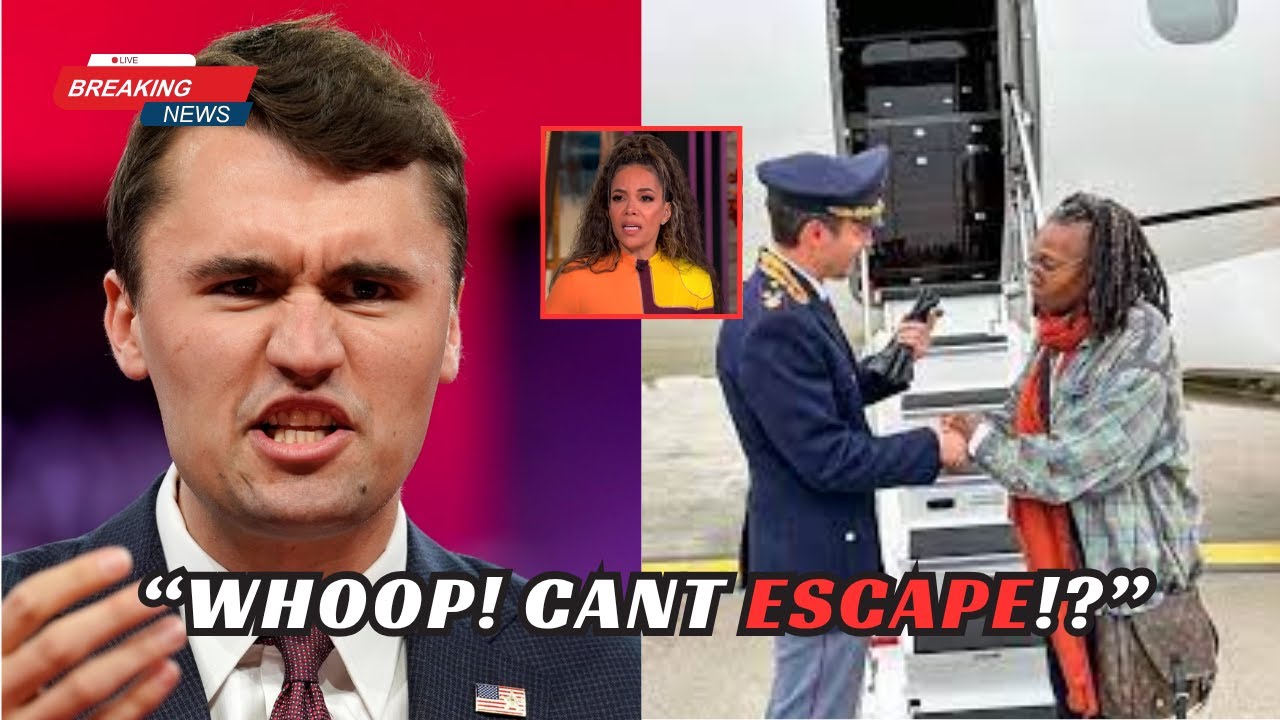
The situation escalated quickly when TPUSA issued a cease-and-desist letter to ABC, the network home of The View. This legal step proved to be the tipping point. Shortly thereafter, the hosts issued an on-air clarification. However, for many viewers, the apology felt insufficient—a scripted, “legal-dodge” attempt to bury the issue before cutting to a commercial break.
Kirk noted that the apology used the word “metaphorical” to describe their link between the students and the protesters, a move he described as a cowardly escape hatch designed to avoid real accountability. He maintained that his team would continue to explore legal avenues to ensure that such reckless character assassination does not go unchallenged.
Beyond the Screen: Elitism and the “Uneducated”
The conflict was further fueled by comments made by host Sunny Hostin regarding voters without college degrees. Referring to “uneducated white women,” the comment was perceived by many as the height of the ivory-tower elitism that The View is frequently accused of. Charlie Kirk seized on this moment to defend the working-class Americans—the truck drivers, electricians, and parents—who feel constantly talked down to by media elites.
Kirk’s argument struck a chord: attending college does not necessarily equate to wisdom, and skipping it does not make one “stupid.” This resonated deeply with a large portion of the audience who felt that the hosts were out of touch with the reality of daily life for millions of Americans.
A Cultural Reckoning
The aftermath of this standoff has been nothing short of a cultural shift. The viral nature of the breakdown of this segment—circulating on TikTok, YouTube, and X—meant that millions of people who might have otherwise missed the segment were suddenly tuning in to watch the controversy unfold.
Viewers began to notice a change in the show’s atmosphere. There was a shift from the usual high-octane, hot-take style to something noticeably more cautious. The once-untouchable confidence of the hosts seemed to falter, and the show’s producers appeared to pivot toward safer, less inflammatory content. It was a clear signal that the audience was no longer just consuming content blindly—they were holding the show accountable, checking facts, and demanding a higher standard of discourse.
The Power of the Truth
The most significant takeaway from this event is the power of a single, well-documented truth to disrupt an entire narrative. The success of Charlie Kirk’s critique wasn’t built on shouting or theatrical displays; it was built on transparency and the refusal to let a false story become the official record.
In an age where media companies often rely on applause tracks and sound bites to generate engagement, the public’s reaction here proved that there is a massive hunger for honesty. When the curtain was pulled back on the “scripted” nature of daytime talk, the illusion of infallibility shattered.
As the dust settles, the event stands as a reminder that the court of public opinion is shifting. People are tired of being lectured by elites and are increasingly willing to support those who provide the receipts, challenge the status quo, and fight for basic fairness. Whether or not further legal action occurs, one thing is certain: the conversation has changed, and The View—and perhaps the broader media landscape—will never be quite the same again.
Full video: