When audiences around the world see Morgan Freeman on the silver screen, they instantly recognize the ultimate figure of profound respect, unshakeable authority, and divine wisdom. For decades, his legendary, resonant voice has guided the most famous cinematic stories in modern history. He has brilliantly portrayed the President of the United States, brilliant police detectives, legendary world leaders, and even God himself. However, if you look closely at his appearances over the past decade, you will notice a deeply personal physical detail that he constantly attempts to conceal. His left hand rarely moves naturally and is almost always covered by a tight compression glove. Behind the flawless image of the wise elder lies the incredibly complex story of a man who grew up in extreme poverty, battled severe alcoholism, and paid an agonizing physical and emotional price to become a true Hollywood legend.
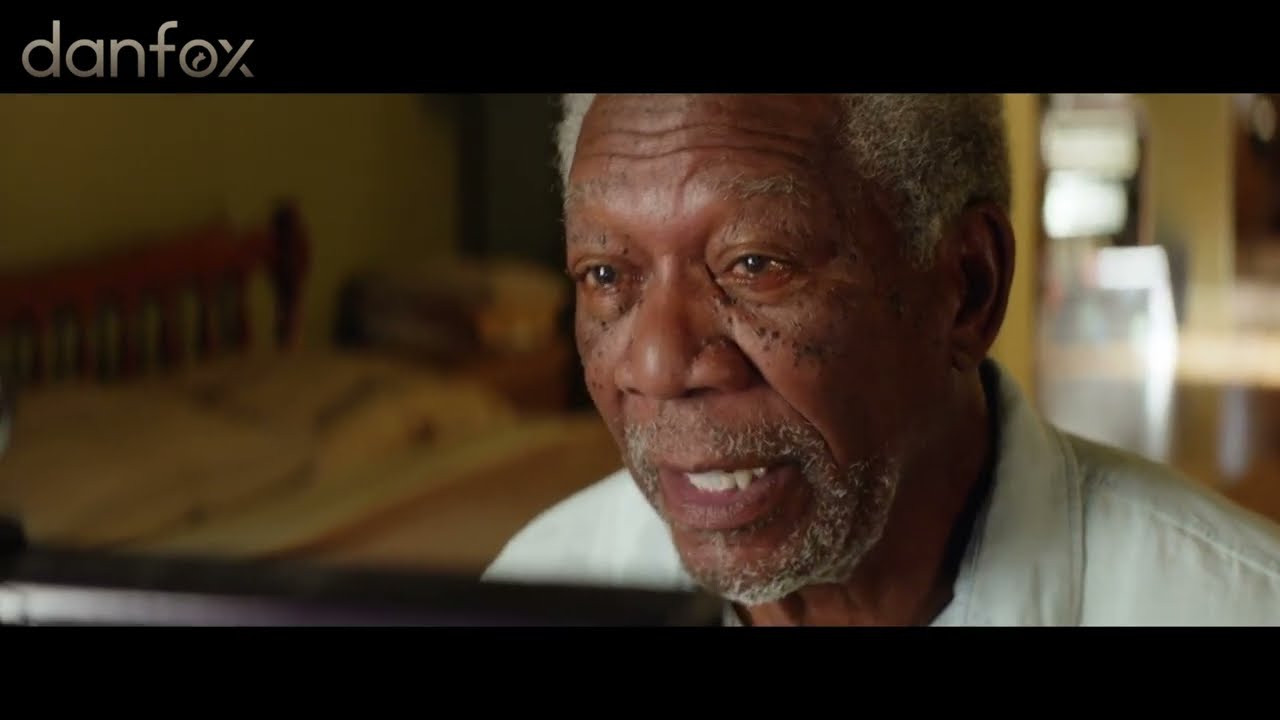
Born on June 1, 1937, in Memphis, Tennessee, Freeman entered a harshly divided world marked by deep racial segregation. The youngest of five children, his early life was defined by extreme economic hardship and severe family dysfunction. His father, Morgan Porterfield Freeman, was a barber suffering from a severe, debilitating addiction to alcohol, while his mother, Mayme, worked exhaustingly as a school teacher. Due to the intense financial strain, a young Morgan was sent to Charleston, Mississippi, to be raised by his maternal grandmother. When she tragically passed away when he was only six years old, Freeman was thrust into a highly unstable life, constantly moving between Memphis, Indiana, and eventually Chicago. In the gritty neighborhoods of Chicago, he desperately escaped the brutal reality of the streets by sneaking into local movie theaters, paying for his admission by collecting and selling empty milk bottles.
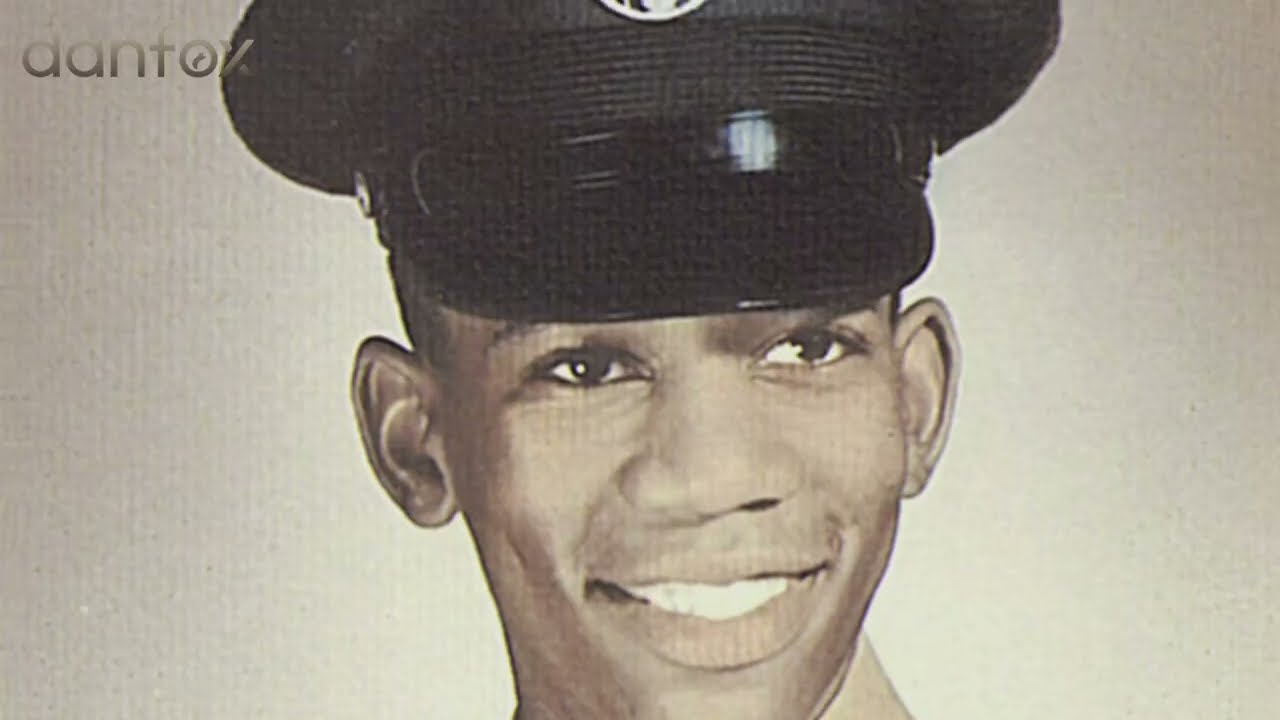
Despite discovering a natural talent for acting at the age of twelve after winning a state drama contest—a role he ironically landed as a punishment—Freeman did not view acting as a viable path. In the racially oppressive climate of the 1950s, the theater offered absolutely zero economic security for a young Black man. His true, burning obsession was to fly. In 1955, he fiercely rejected a university drama scholarship and enlisted in the United States Air Force. He desperately sought the ultimate freedom of being a fighter pilot, but the harsh military reality violently crushed his dreams. Instead of soaring through the skies, he spent four grueling years grounded, repairing radars and radio equipment. When he finally had the chance to sit in a training cockpit, a crushing wave of claustrophobia made him realize his dream of flying was merely a psychological fantasy meant to escape his painful reality.
Returning to civilian life in 1959, Freeman faced a brutally unforgiving entertainment industry in New York that offered virtually no space for a man like him. For over a decade, he survived on the absolute margins of absolute poverty, taking on exhausting odd jobs, including working as a clerk and a backup dancer at the 1964 World’s Fair. It was not until 1971, at the age of 34, that he landed a steady, highly recognizable role as “Easy Reader” on the wildly successful children’s television program, “The Electric Company.” For the very first time in his life, Freeman had financial security and national fame. However, this commercial success triggered a massive, highly destructive psychological crisis.
Freeman desperately wanted to be a serious dramatic actor. Being forced to perform in brightly colored outfits using exaggerated, repetitive catchphrases every single day felt like creative suicide. Casting directors began to severely pigeonhole him, completely associating his face with the silly morning show. To cope with the deep, suffocating depression of going to a studio he absolutely despised, Freeman developed a severe alcohol problem, terrifyingly mirroring the exact same destructive addiction that had ultimately killed his father. Nearing 40 years old, he made a reckless, incredibly courageous decision: he abruptly quit the lucrative show. He willingly chose to return to the terrifying brink of poverty rather than let television permanently extinguish his creative soul.
The 1980s required Freeman to fiercely reinvent himself from scratch. The turning point arrived in 1987 when he took a massive risk by accepting the role of Fast Black, a violently terrifying and ruthless pimp in the film “Street Smart.” Channeling all the immense rage and deep frustration he had accumulated during his years of poverty and alcoholism, Freeman delivered a chillingly cold, dangerously quiet performance that completely shocked the industry. At 50 years old—an age when most actors begin to fade away—he earned his very first Academy Award nomination. He brilliantly avoided being typecast as a villain by immediately starring as the patient, humble chauffeur in “Driving Miss Daisy” and the tough, disciplined Sergeant Major in “Glory” in 1989. These incredibly diverse performances permanently cemented his status as a dramatic powerhouse.
The 1990s brought him unprecedented, monumental fame with legendary roles in “Unforgiven,” “Se7en,” and the cinematic masterpiece “The Shawshank Redemption.” His portrayal of Red perfectly captured the deep mental confinement he had personally experienced during his dark television years, solidifying his iconic, calming voice in the public consciousness. He worked at an absolutely frantic pace, finally winning an Academy Award in 2004 for his brilliant supporting role in “Million Dollar Baby.” But in August 2008, his relentless momentum was violently halted. Freeman was involved in a horrific, near-fatal car accident in Mississippi. The vehicle flipped multiple times, requiring rescue teams to use heavy hydraulic tools to cut him out of the mangled wreckage. While he miraculously survived, the severe nerve damage to his left arm and hand was devastating and permanent. Furthermore, he developed fibromyalgia, a condition causing relentless, excruciating chronic pain. He was forced to permanently wear a compression glove and completely adapt his physical acting style to aggressively hide his paralyzed hand from the cameras.
The physical agony was soon matched by unimaginable emotional trauma. In 2015, his beloved step-granddaughter, E’Dena Hines, whom he had raised as his own daughter, was brutally murdered in the streets of New York. Adding to the devastating grief, ruthless tabloid media aggressively revived old, horrific rumors alleging an inappropriate relationship between them—rumors they had both vehemently denied. Just three years later, in 2018, CNN published an explosive report featuring eight women accusing the beloved actor of inappropriate behavior and creating an uncomfortable work environment. The public shock was massive, instantly shattering the flawless, god-like image he had built. Freeman issued a public apology, insisting he never intentionally meant to offend or make anyone feel uneasy. While the scandal severely damaged his reputation and cost him major contracts, no legal charges were ever filed.
Despite facing inten
 se public scrutiny, devastating family tragedy, and constant, agonizing physical pain, Morgan Freeman fiercely refused to retreat into the shadows. Now approaching his late 80s, his relentless work ethic remains his ultimate survival mechanism. He continues to accept numerous roles, providing voiceovers and acting in independent films, simply because standing in front of a camera is the only way he knows how to keep moving forward. Morgan Freeman is the ultimate survivor—a man who took poverty, rejection, addiction, and immense physical pain, and masterfully used them as the building blocks for an untouchable, legendary legacy.