The FIFA World Cup is more than a sporting event; it is perhaps the only true universal language. With over 60% of the world’s population tuning in to watch, it stands as the singular event that unites humanity in a shared experience of triumph, tragedy, and breathtaking skill. Yet, the road to this global phenomenon—spanning from 1930 to the upcoming expansion in 2026—was anything but straightforward. It is a saga woven with war, political manipulation, corporate corruption, and the unwavering persistence of a visionary who dared to imagine a championship for the world.
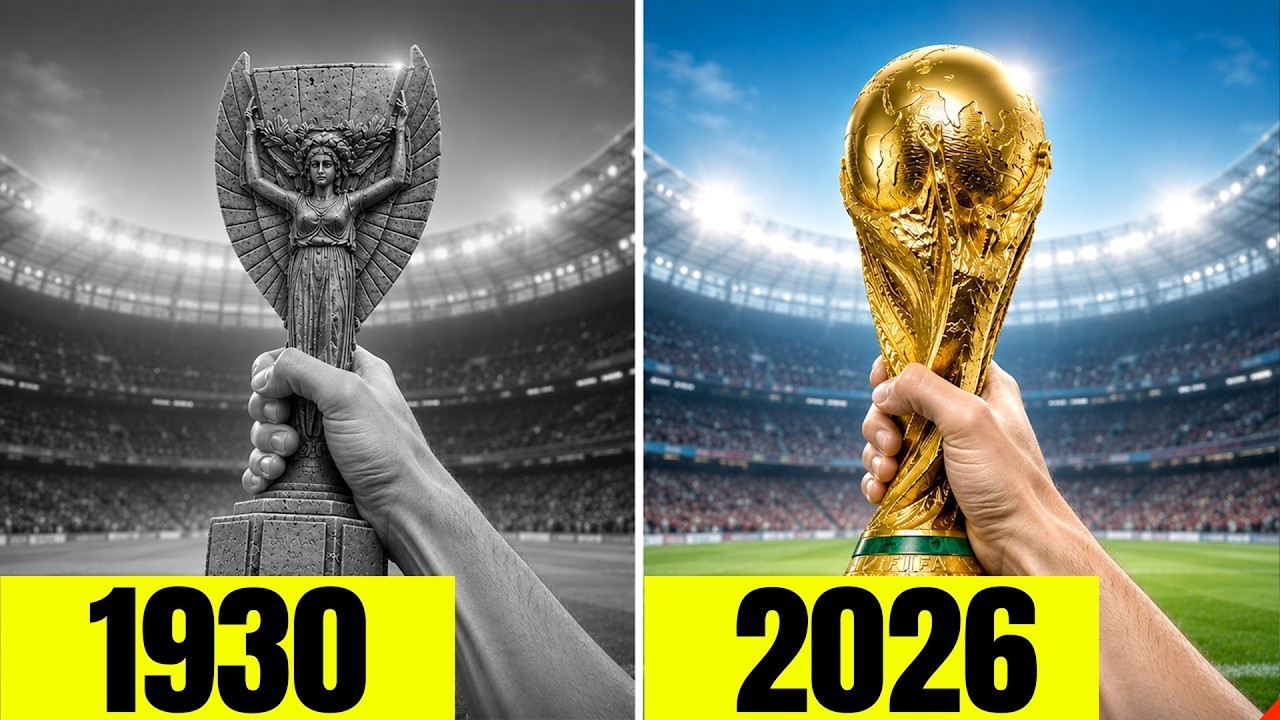
The roots of the tournament date back to a time when football was a secondary event at the Olympic Games. Jules Rimet, the third president of FIFA, saw the massive crowds and the growing passion for the sport during the 1920s and wondered why football had to share the stage with other disciplines. Despite widespread skepticism and the refusal of many nations to participate in a tournament unproven by history, Rimet spent years lobbying and pleading. His persistence paid off in 1930 when the first World Cup was held in Uruguay.
The early years were defined by logistical nightmares. With European nations hesitant to embark on the long, expensive journey by boat, only 13 countries competed in that inaugural tournament. Uruguay, however, proved the concept viable, drawing massive crowds and setting the stage for future editions. As the tournament grew, so did its political weight. The 1934 edition in Italy became a tool for Benito Mussolini’s propaganda, setting a troubling precedent where the World Cup would often reflect the geopolitical tensions of its era.
The mid-century era saw the tournament paused by the horrors of World War II, but its return in 1950 marked a turning point in footballing culture. Brazil, hosting the tournament, felt the sting of the “Maracanazo”—a devastating loss to Uruguay in the final that left an entire nation in mourning. This era also introduced the world to the true “King” of football, Pelé. Bursting onto the scene as a 17-year-old in 1958, Pelé’s brilliance led Brazil to glory and established him as the sport’s first global icon, a status he would solidify with a historic third title in 1970.
As the decades passed, the World Cup became a stage for legends. The 1970s and 80s witnessed the rise of total football from the Netherlands and the individual genius of Diego Maradona. Maradona’s performance in 1986 remains the stuff of legend—a tournament defined by his “Hand of God” and the “Goal of the Century” against England, matches that were charged with more than just athletic stakes following the Falklands War.
The tournament has also seen dark chapters that serve as stark reminders of the pressures placed on players. The 1994 World Cup in the United States remains etched in memory for the tragic murder of Colombian captain Andrés Escobar following an own goal—a chilling moment that forced the world to acknowledge that for some, the game carried life-or-death consequences.
Technological and format advancements have also shaped the spectacle. From the introduction of goal-line technology to minimize human error, to the implementation of the Video Assistant Referee (VAR) in 2018, the game has evolved. Yet, the essence remains the same: the dramatic clashes between giants. The 2022 final in Qatar, featuring a titanic battle between Lionel Messi’s Argentina and Kylian Mbappé’s France, is widely considered the greatest match in the tournament’s history, culminating in Messi finally claiming the one trophy that had long eluded his grasp.
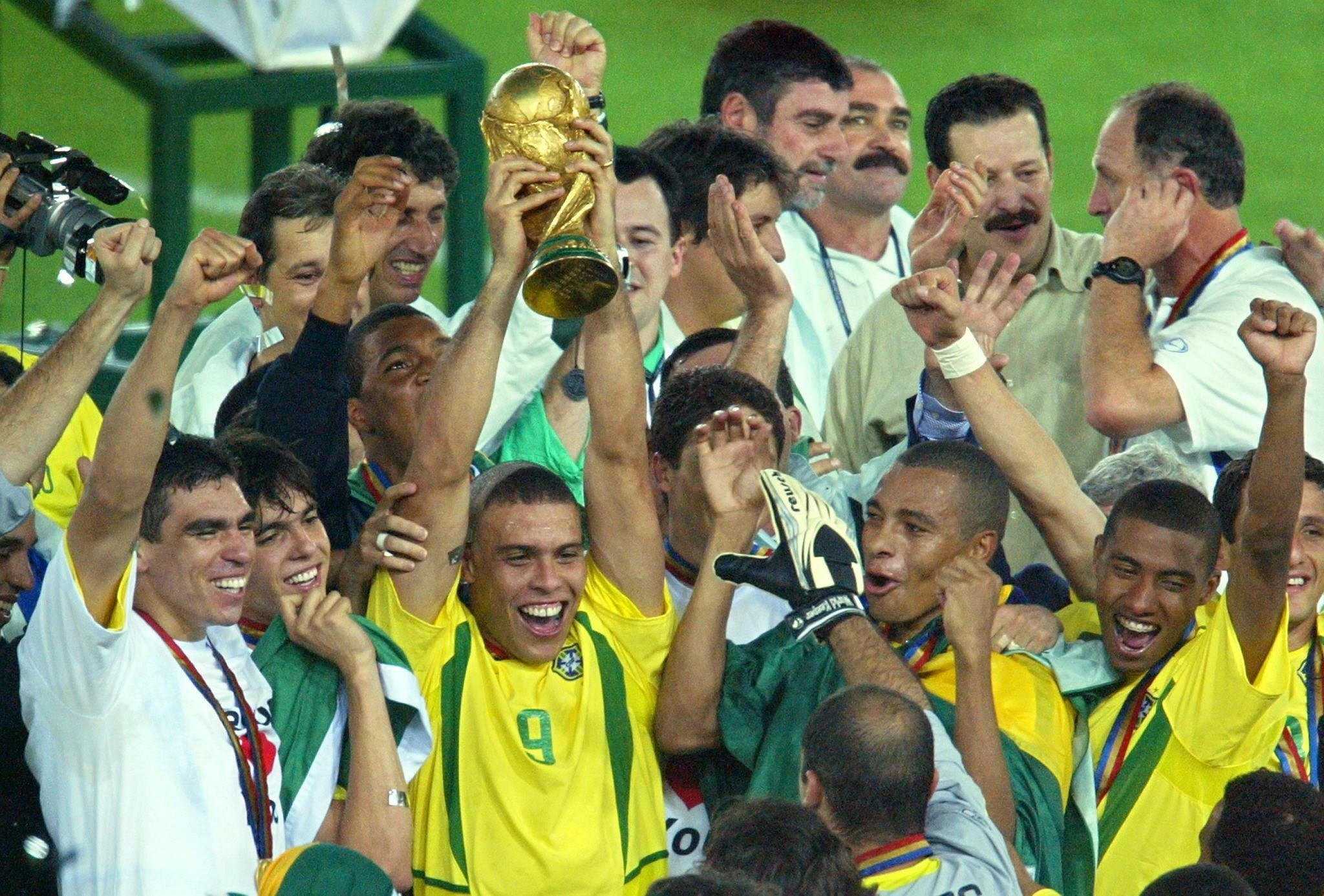
Now, as we look toward the 2026 tournament in Mexico, Canada, and the United States, the scale is shifting again. With an expansion to 48 teams, the World Cup is set to become an even larger, more complex event. Challenges regarding ticket pricing, international travel restrictions, and the pressure of geopolitics continue to loom over the beautiful game. Yet, the draw of the tournament is undeniable. From its humble, uncertain beginnings on a boat ride to Uruguay to the massive, multi-nation spectacle of today, the FIFA World Cup continues to capture our collective imagination, reminding us that every four years, the world stops to watch the same game, played by the greatest athletes on Earth.