In the storied annals of the FIFA World Cup, there exists a profound footballing mystery: how has a nation as historically prolific and consistently talented as the Netherlands never lifted the trophy? With three final appearances and a legacy defined by some of the most influential figures in the sport’s history, the Dutch national team occupies a unique, albeit painful, position in global football. Despite producing Ballon d’Or winners with a frequency rivaling the greatest footballing nations, the Oranje have become the ultimate symbol of the “nearly men” of the World Cup.

The Dutch contribution to football is anchored in the revolutionary concept of “Total Football,” a system popularized in the 1970s. At the heart of this movement was the incomparable Johan Cruyff. His ability to orchestrate movement, orchestrate play, and redefine the tactical landscape set the standard for modern football. Cruyff wasn’t just a player; he was a visionary who, alongside teammates like Johan Neeskens and Ruud Krol, led the Netherlands to the 1974 World Cup final. Yet, despite an early lead against West Germany, the dream evaporated as the hosts mounted a comeback, leaving the Dutch to ponder what might have been.
Four years later, in 1978, the Netherlands returned to the final without Cruyff, demonstrating the depth of their talent pool. Once again, the ultimate prize slipped through their fingers, this time against Argentina, who emerged victorious after a grueling encounter that extended into extra time. It was a second consecutive heartbreak, cementing a narrative of agonizing proximity.
The late 1980s heralded the rise of another Dutch golden generation, spearheaded by the iconic trio of Marco van Basten, Ruud Gullit, and Frank Rijkaard. While their dominance in the 1988 European Championship showcased their immense potential, their World Cup journeys remained characterized by inconsistency and frustration. Despite the sheer volume of talent, the team failed to translate their continental success to the global stage, with early exits becoming a recurring theme.
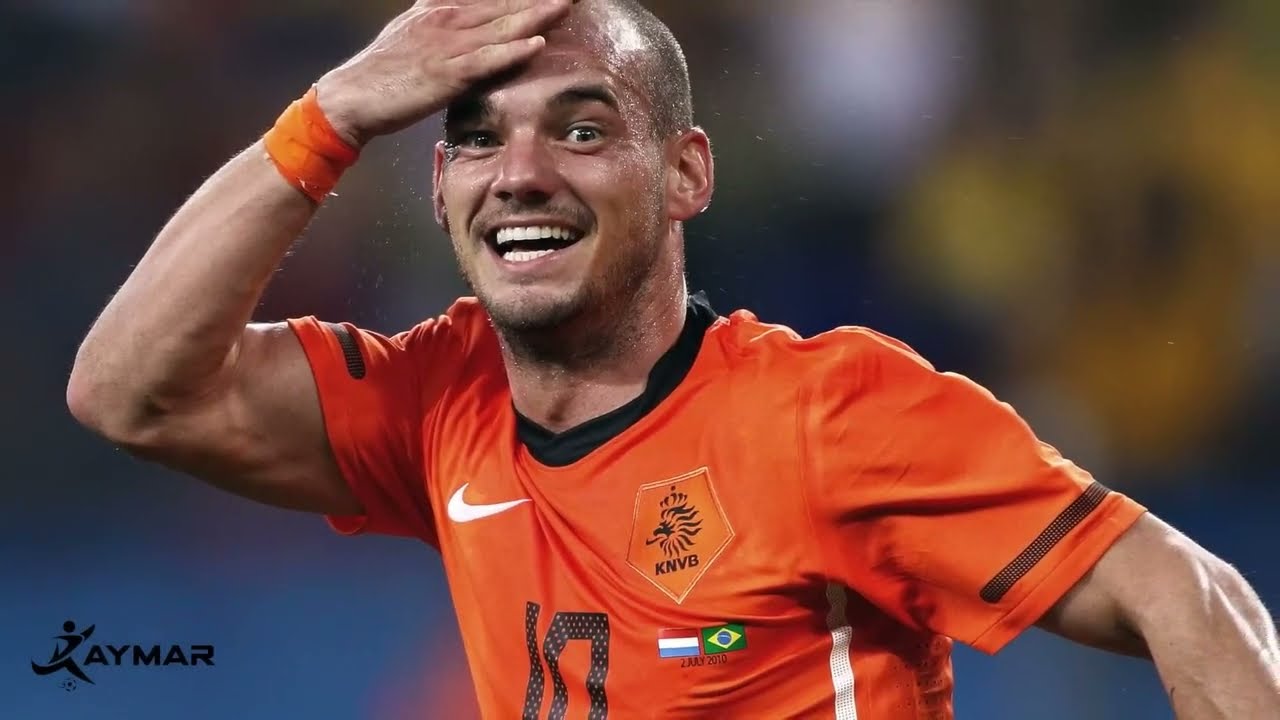
Perhaps the most visceral chapter in this history was the 2010 World Cup in South Africa. The team, perhaps less star-studded but arguably more balanced than its predecessors, looked poised for redemption. Led by the brilliance of Wesley Sneijder, Arjen Robben, and Robin van Persie, the Dutch powered their way to the final. The match against Spain remains etched in history for its intensity and the infamous missed chance by Robben, whose effort was thwarted by a legendary save from Iker Casillas. Moments later, Spain found the breakthrough, handing the Netherlands their third final defeat in World Cup history.
The question remains: why? Is it an inherent tactical rigidity, a recurring mental hurdle when reaching the final stage, or simply the cruel variance of a single match? With the 2026 World Cup now underway, the debate takes on a new urgency. Having opened with a 2-2 draw against Japan, the current Dutch side finds itself under the same microscope as those that came before.
The Dutch legacy is one of beauty, innovation, and technical mastery. It is a heritage that has enriched the sport far beyond the accumulation of trophies. Yet, the absence of a World Cup title remains the one haunting gap in their history. For a nation that has gifted the world some of its greatest tactical inventions, the pursuit of that final, elusive victory continues to be the most compelling narrative in Dutch football. Whether this current generation can finally break the curse or remain a footnote in a long, tragic history remains the question on every fan’s lips.