Robert Pattinson’s career is not a story of a quick rise and a predictable fall. It is a calculated, often brutal, dismantling of a manufactured public image. For those who remember him only as the brooding Edward Cullen, his current status as one of cinema’s most respected and daring actors might seem like a shock. Yet, for Pattinson, this transformation was not accidental—it was an act of survival.
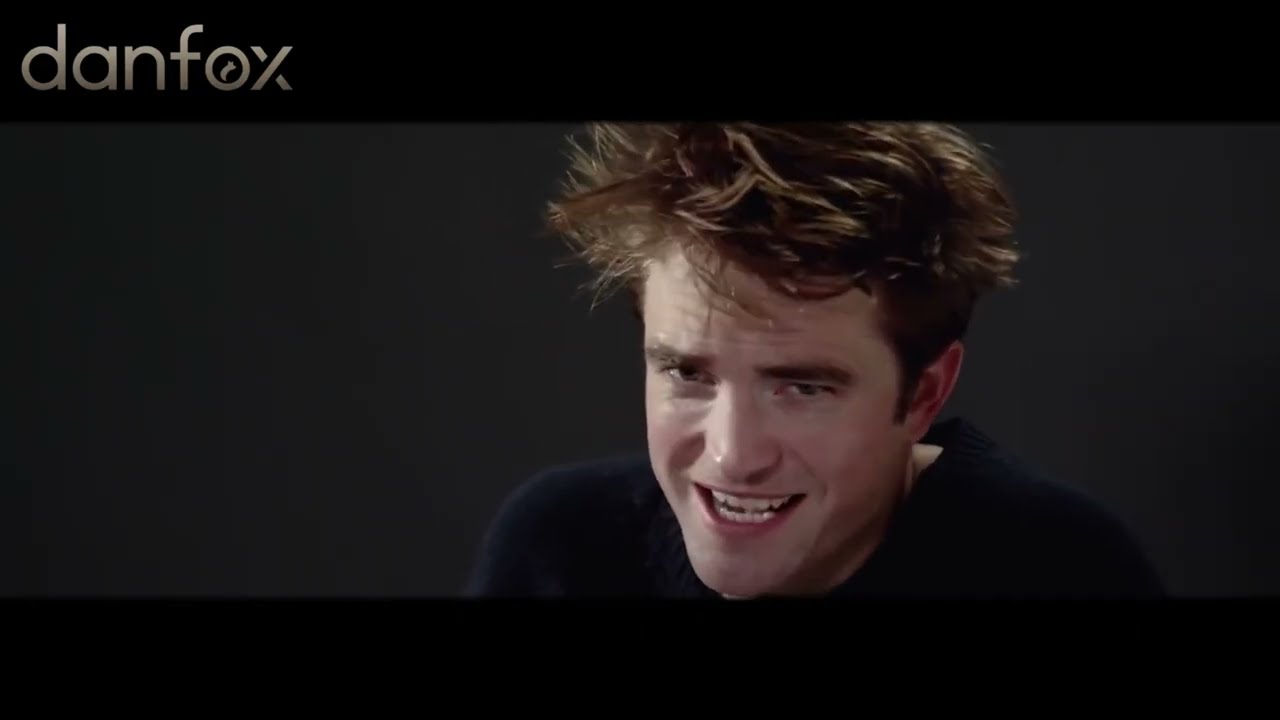
The Shy Boy in the Vampire Cage
Born in London in 1986, the young Pattinson was not the confident heartthrob the public would later project onto him. He was a timid, socially anxious teenager, pushed into theater by his father to help him find his voice. His entry into the professional world was marked by early humiliations—including being cut from his first film, Vanity Fair, without a word. When he was eventually cast as Cedric Diggory in Harry Potter, he felt like a fraud, living in constant fear that he would be exposed as a fake.
When he landed the role of Edward Cullen in the Twilight franchise, his life stopped being his own. The films became a global phenomenon, grossing billions, but the experience was a prison. Pattinson famously loathed the franchise while he was in it, mockingly dismissing his own character and the logic of the story in interviews. It was a career-defining mistake that alienated fans and colleagues alike, but it fueled a deep-seated desire to destroy the “pretty boy” image that the world had locked him into.
The Breaking Point: From Heartthrob to Outcast
The 2012 scandal—involving the infidelity of his co-star Kristen Stewart—served as a catalyst for a radical change. Instead of leaning into the tabloid drama or seeking a sympathy vote, Pattinson disappeared. He cut off the noise and sought out directors like David Cronenberg, marking a pivotal turn toward the strange and the complex.
With Cosmopolis (2012), he shed the glossy veneer of the romantic lead, playing a cold, troubled billionaire. It was the first sign that Pattinson was not interested in playing it safe. He chose projects that were small, dark, and challenging, often at the expense of his bank account.
The Method of Madness
Pattinson’s evolution was defined by a commitment to his craft that occasionally bordered on the self-destructive. To prepare for Good Time (2017), he lived in a basement with the blinds drawn, eating canned food and refusing to wash his clothes. For The Lighthouse (2019), he spun in circles until he was dizzy and consumed actual alcohol on set to capture the raw, desperate descent into madness.
He didn’t just want to “act” in these films; he wanted to dissolve into them. His performance in Good Time earned him a six-minute standing ovation at Cannes, a moment that served as a loud, clear declaration to the industry: the vampire was dead.
Batman and Beyond
By the time Christopher Nolan called him for Tenet and later Matt Reeves tapped him for The Batman, the narrative had shifted entirely. Pattinson was no longer the “Twilight guy”; he was a serious actor capable of anchoring historic franchises. Yet, he remained the same rebel. During the filming of The Batman, he famously lied to Nolan about a family emergency just to get time off to audition for the role, demonstrating a singular focus that both frustrated and impressed the industry’s top directors.
Today, Pattinson is at a place where he has nothing left to prove. From his work with Bong Joon-ho in Mickey 17 to his upcoming turn as Antinous in Nolan’s adaptation of the Odyssey, he chooses roles based on curiosity rather than commercial viability.
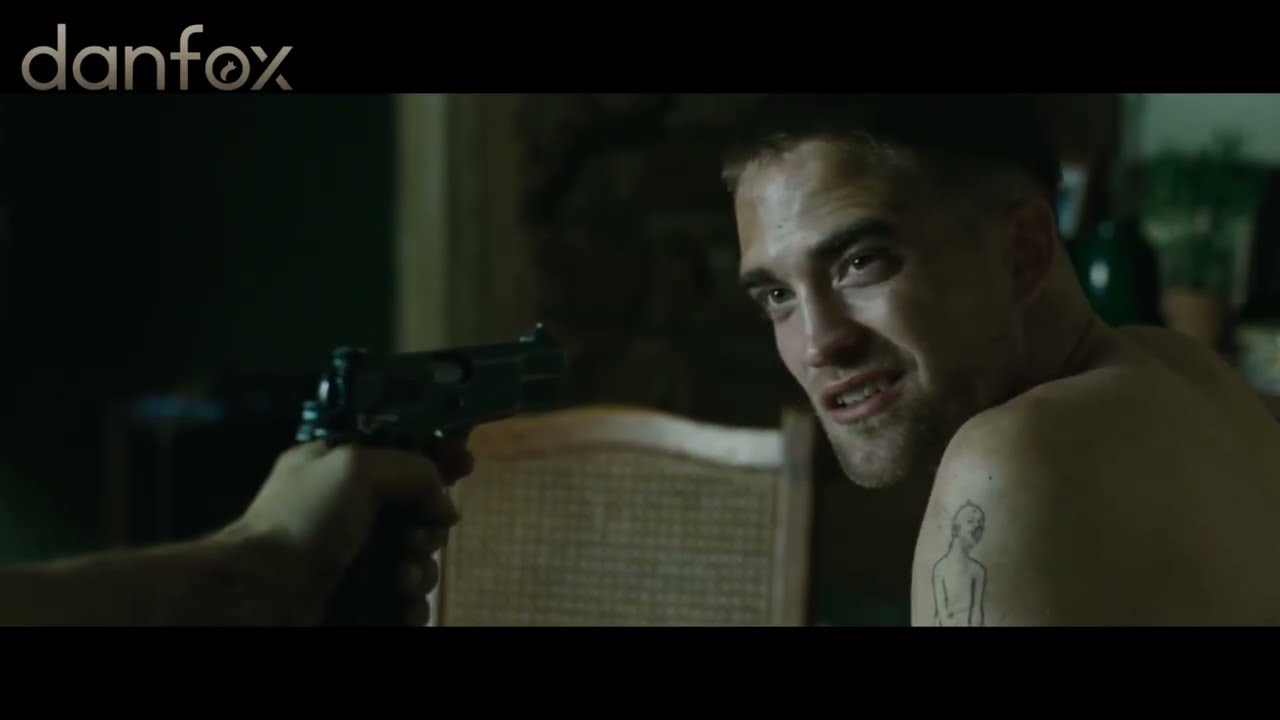
Robert Pattinson’s story is a masterclass in agency. He took the massive, overwhelming exposure of his youth—a machine that would have destroyed many—and turned it into fuel. He didn’t just escape the vampire trap; he dismantled it, proving that an actor who refuses to be a product can eventually become a force of nature.