After a two-decade hiatus, the world of fashion’s most formidable editor-in-chief, Miranda Priestly, has returned to the big screen. The Devil Wears Prada 2 is not just a sequel; it is a brutal, timely examination of the death of print media and the fragile nature of an empire. While the film has captivated audiences, the path to its creation was filled with as much tension and high-stakes drama as the halls of Runway magazine itself.
The Return of an Icon
For years, a sequel seemed impossible. Meryl Streep, known for her dislike of sequels, only agreed to return after a series of events led her to revisit the original film and reconnect with co-star Anne Hathaway and director David Frankel. Unlike the literary sequels written by Lauren Weisberger, which took the story in a completely different direction, the film opted to forge its own path, focusing on Miranda’s struggle to maintain her status in an era where print media is dying and the “untouchable” editor is now the subject of internet memes.
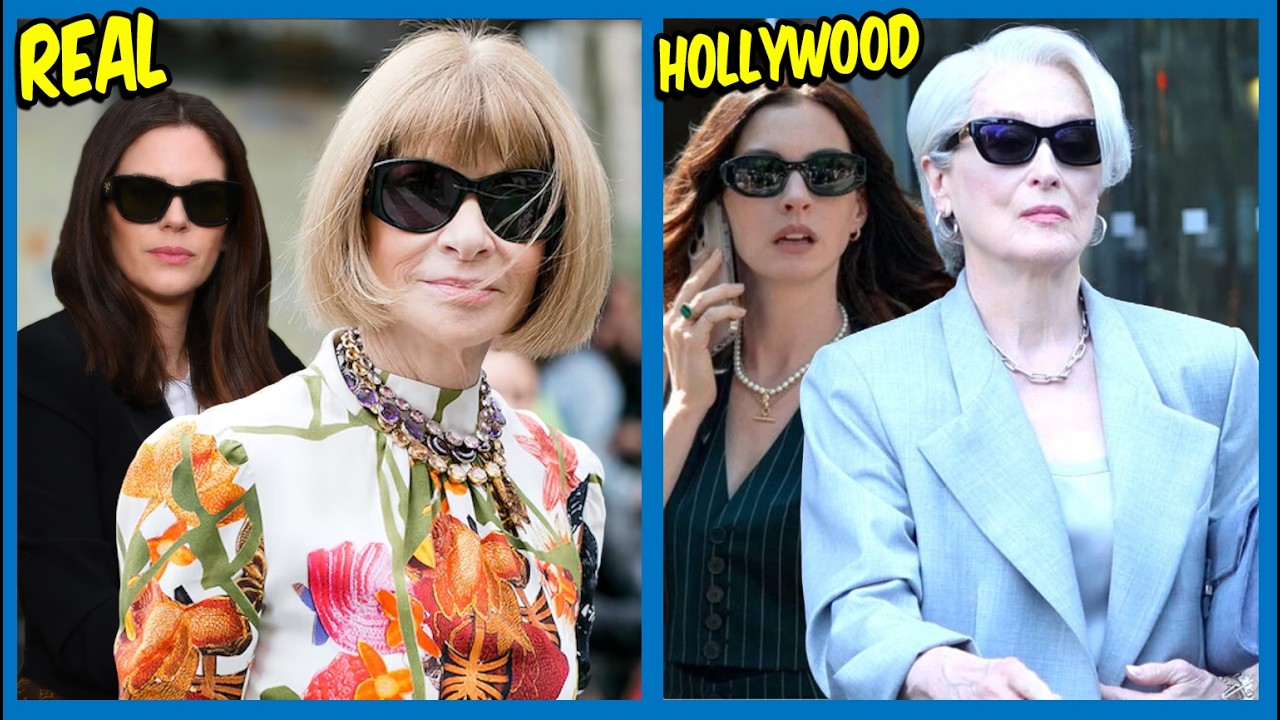
The Anna Wintour Connection
The relationship between Meryl Streep and Anna Wintour remains one of the most fascinating aspects of the franchise. While Miranda Priestly is an exaggerated version of Wintour, the two women have developed a strange, mutual respect. Wintour personally called Streep when rumors of the sequel first surfaced, seeking reassurance that the portrayal would be handled with care. Interestingly, Wintour even filmed a cameo for the sequel, though it was ultimately left on the cutting room floor due to technical issues—it will, however, be included as special content in the streaming release.
Controversy and Erasure
Not every addition to the film was met with excitement. The introduction of a new character, Jin Chao, sparked massive backlash across Asia, with some viewers calling for a boycott due to the perceived reinforcement of negative stereotypes and the character’s phonetically controversial name.
Furthermore, the production was ruthless in its editing. Several high-profile stars, including Lady Gaga—who provided an original song for the soundtrack—and even pop star Sydney Sweeney, had their scenes cut from the final film because they didn’t fit the narrative flow. Even Adrian Grenier, who played the controversial Nate, was left out of the sequel despite fans’ long-standing debates about his character’s impact on Andy’s growth.
A Masterclass in Easter Eggs
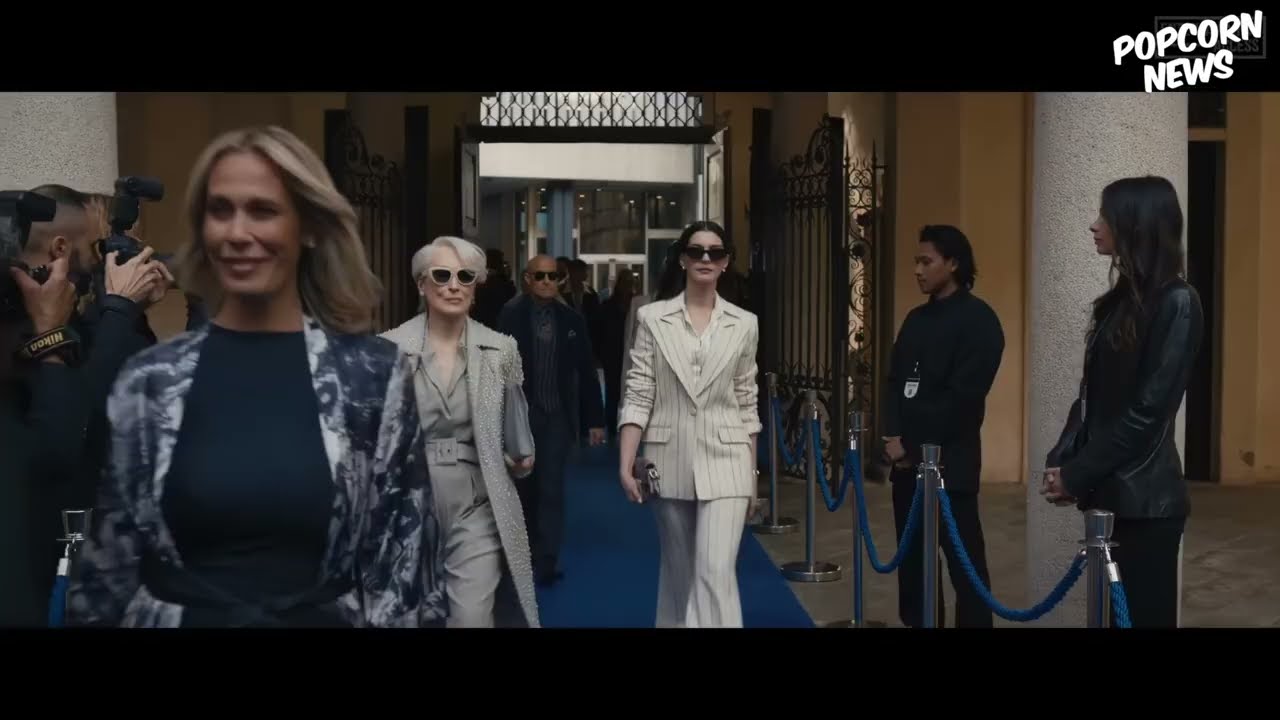
Fans of the original will find plenty to satisfy their nostalgia. From the return of the “cerulean blue” motif—this time in the form of a scarf and a callback through the event’s blue carpet—to the inclusion of a vintage Björk t-shirt that is currently a hot commodity for collectors, the film is packed with deep-cut references. The inclusion of fashion icons like Ashley Graham and a cameo from Donatella Versace further anchors the sequel in the current reality of the fashion world.
A New Era of Professionalism
Perhaps the most significant change between the original production and the sequel is the working environment. In 2006, the cast was subjected to grueling dietary pressures that caused genuine distress. For The Devil Wears Prada 2, Anne Hathaway—now a powerful producer and industry veteran—insisted on a different standard, ensuring that the models and cast represented a healthy, diverse range of body types.
The film concludes with an act of charity: all the clothing worn during production will be auctioned to support the Committee to Protect Journalists, a fitting tribute to the film’s central theme: the survival and evolution of the press. While The Devil Wears Prada 2 has proven that lightning can strike twice, it serves as a stark reminder that even in Hollywood, the price of excellence is constantly changing.