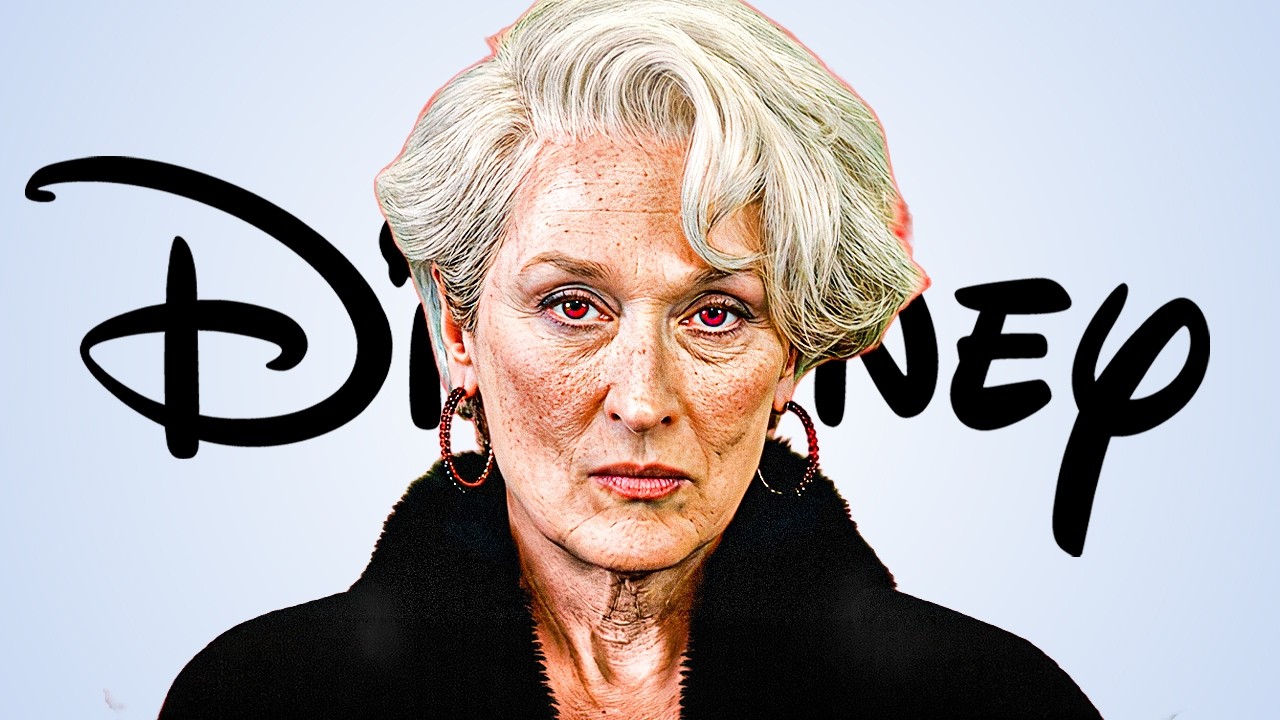
The 2006 film The Devil Wears Prada became a global cultural phenomenon, celebrated for its biting wit and iconic portrayal of the high-fashion world. Yet, for those working behind the scenes, the production was a source of profound anxiety. The film’s antagonist, Miranda Priestly, was a thinly veiled portrait of Anna Wintour, the formidable editor-in-chief of Vogue. The fear surrounding Wintour—who was notorious for her ability to build or destroy careers—created an environment of extreme caution and secrecy that lasted for nearly twenty years.
A Production Built on Fear
When Lauren Weisberger, a former assistant to Wintour, wrote the novel as a cathartic exploration of her own workplace traumas, the project was seen as a potential “career-killer” for any studio or director brave enough to touch it. During pre-production, the production team faced an uphill battle. Designers, fashion houses, and industry figures initially refused to cooperate, terrified that an association with the film would result in being blacklisted by Vogue.
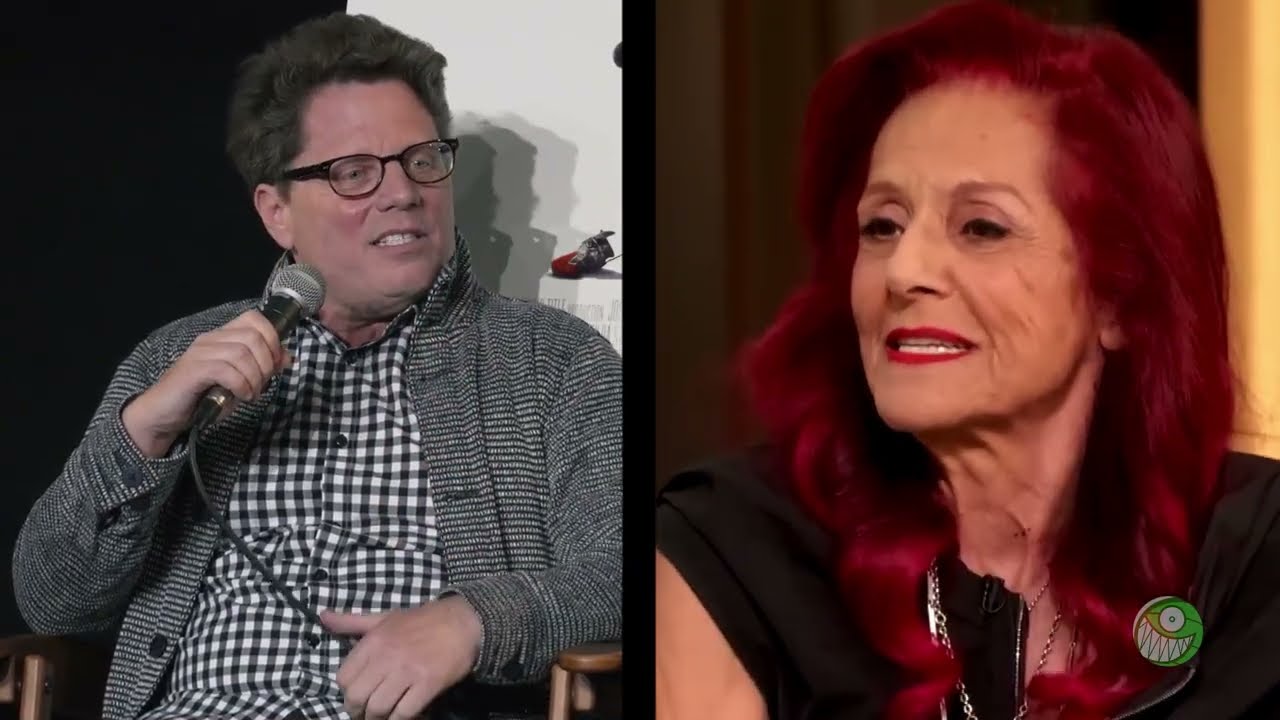
The dedication to authenticity reached absurd lengths; production designer Jess Gonchor even resorted to “spying” on Vogue offices, capturing every detail he could to recreate the magazine’s aesthetic for the film without official authorization. When the film was finally cast, Meryl Streep’s decision to play Miranda was a turning point. Rather than leaning into a caricature, Streep opted for a performance of quiet, lethal authority—drawing inspiration from figures like Clint Eastwood—which ultimately helped legitimize the project in the eyes of the fashion world.
The Cost of Excellence
The production was marked by a relentless pursuit of perfection that came at a significant personal cost to the cast. To fit the “fashion” aesthetic, lead actresses Anne Hathaway and Emily Blunt were subjected to strict, grueling diets. This pressure caused significant distress, and both actresses struggled with the toxic demands of maintaining the required look for the screen. Streep, meanwhile, remained in character throughout the entire shoot, isolating herself from the cast to maintain Miranda’s cold, unreachable persona.
This sacrifice, however, resulted in a cinematic masterpiece that grossed over $326 million worldwide. Even Wintour eventually acknowledged the film’s quality, famously attending the premiere and later adapting her own office to better resemble the aesthetic created by the film’s production designers.
The Return of ‘Runway’
For nearly two decades, a sequel remained off the table, hindered by the stars’ initial reluctance and the critical failure of the author’s follow-up novels. However, the eventual acquisition of Fox by Disney paved the way for The Devil Wears Prada 2. Moving away from the source material of the books, the creative team developed an original narrative in which Andy returns to the world of fashion, navigating a changed industry where digital platforms are rapidly eclipsing print media.
This new chapter brought a change in power dynamics. During the sequel’s production, Anne Hathaway—now a seasoned industry veteran—leveraged her influence to ensure healthier standards on set, insisting on the inclusion of diverse, healthy body types. The most poignant moment, however, occurred in 2025 at a Dolce & Gabbana fashion show. In a scene that mirrored the evolution of the past 20 years, Meryl Streep and Anna Wintour crossed paths. Far from the intimidation of the past, the two engaged in a genuinely warm conversation, signaling a quiet, mutual respect that closed the loop on two decades of tension.
The legacy of The Devil Wears Prada serves as a sobering reminder that while true excellence demands sacrifice, the passage of time can turn even the most feared rivalries into stories of shared history.