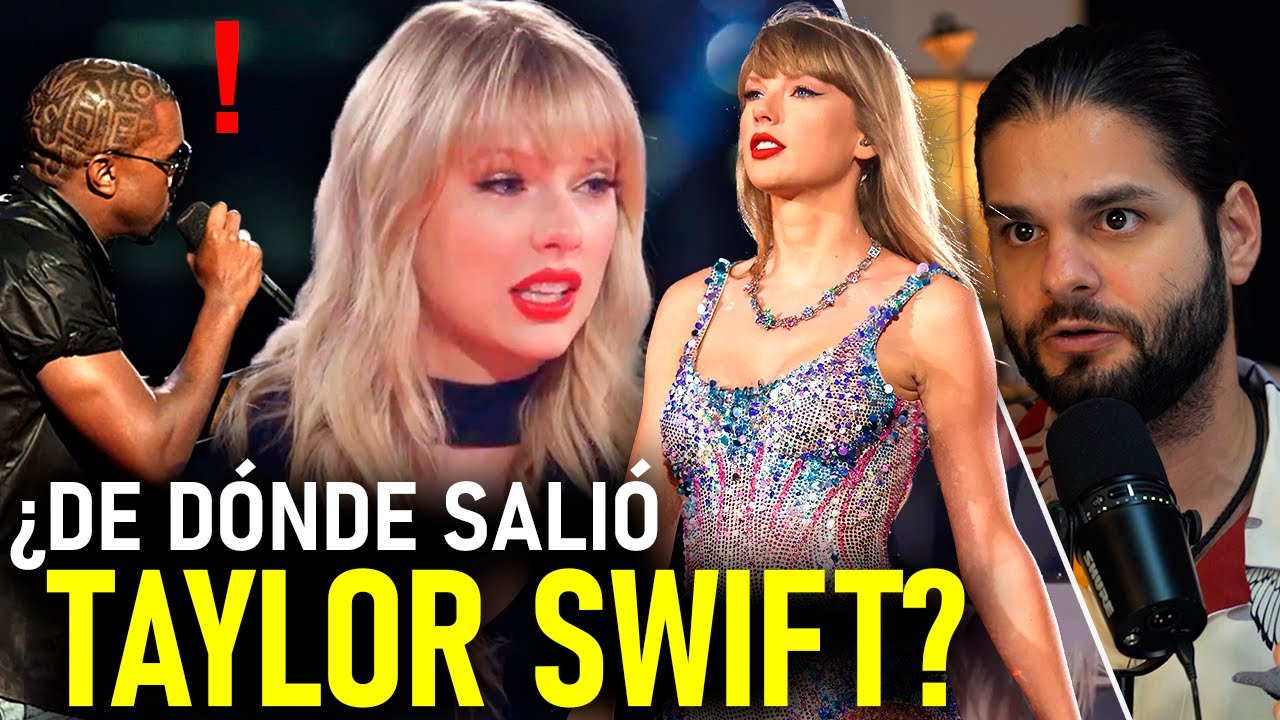
Taylor Swift’s ascent to the pinnacle of global stardom has been so meteoric and persistent that it has invited inevitable comparisons to the greatest musical phenomena of the past—most notably, the Beatles. Yet, for every fan who views her as a generational genius, there remains a skeptic who questions if her success is merely the product of clever branding. To understand Taylor Swift is to look past the stadium lights and the Billboard charts, and into the two decades of grueling, meticulous, and often painful labor that built her empire.
The Foundation of a Songwriter
Long before she was a household name, Taylor Swift was a storyteller. Growing up in a household that nurtured her creative instincts, she found in poetry a way to process the world. Her origin story is one of obsessive dedication; legend has it that as a young girl, she played her guitar until her fingers bled, a commitment to her craft that predates her commercial success. Her parents, Andrea and Scott Swift, recognized this obsession not as a childhood phase, but as a vocational path. They facilitated her entry into the Nashville music scene, a move that would prove to be the most critical investment in her career.
The Battle for Autonomy
Swift’s early career was defined by her signing with Big Machine Records, a decision she made for independence. However, the subsequent loss of her master recordings to a company owned by individuals with whom she had professional conflicts (specifically, the Scooter Braun acquisition) became the defining turning point of her adult career. Rather than accept the loss of her artistic legacy, Swift chose the most ambitious path possible: re-recording her entire discography. This move did more than just provide her with new legal ownership; it revitalized her older work, bringing her teenage anthems to a massive, new, and cross-generational audience.
Resilience and Reinvention
Perhaps the most turbulent chapter in her public life occurred in 2016, when a manufactured media controversy labeled her a “liar” and a “snake.” The public perception turned against her, and for a period, her reputation seemed in tatters. Swift’s response was a masterclass in strategic storytelling. Instead of retreating, she leaned into the narrative with the album reputation. She embraced the “villain” label, reclaimed the symbol of the snake, and used the hostility to fuel a more mature, cynical, and ultimately powerful sound. It was the moment she stopped seeking approval and started taking control of her own public identity.
The Economics of an Icon
Today, Swift’s influence is so profound that it impacts the national economies of the countries she visits. Her current tour is estimated to generate billions in revenue, prompting political leaders to personally request tour stops as if they were diplomatic events. She is the first artist in history to dominate the entire Top 10 of the Billboard Hot 100, a feat that demonstrates a connection with her audience that is less like the relationship between a performer and fan, and more like a shared cultural experience.
Beyond the Idealization
Is Taylor Swift “average”? The evidence suggests otherwise. Her success is not the result of a single viral moment, but the consequence of a relentless, 20-year commitment to songwriting, a sophisticated understanding of fan engagement, and an unshakable resolve to own her artistic rights.
What makes Swift unique is not just the catchiness of her melodies, but her willingness to be profoundly vulnerable. By treating her life—her heartbreaks, her fears, and her growth—as raw material, she has allowed millions of listeners to see their own lives reflected in her lyrics. Taylor Swift is not just a singer; she is the curator of an era, a woman who successfully navigated the harshest spotlight in entertainment and came out the other side not only surviving, but defining the industry on her own terms.