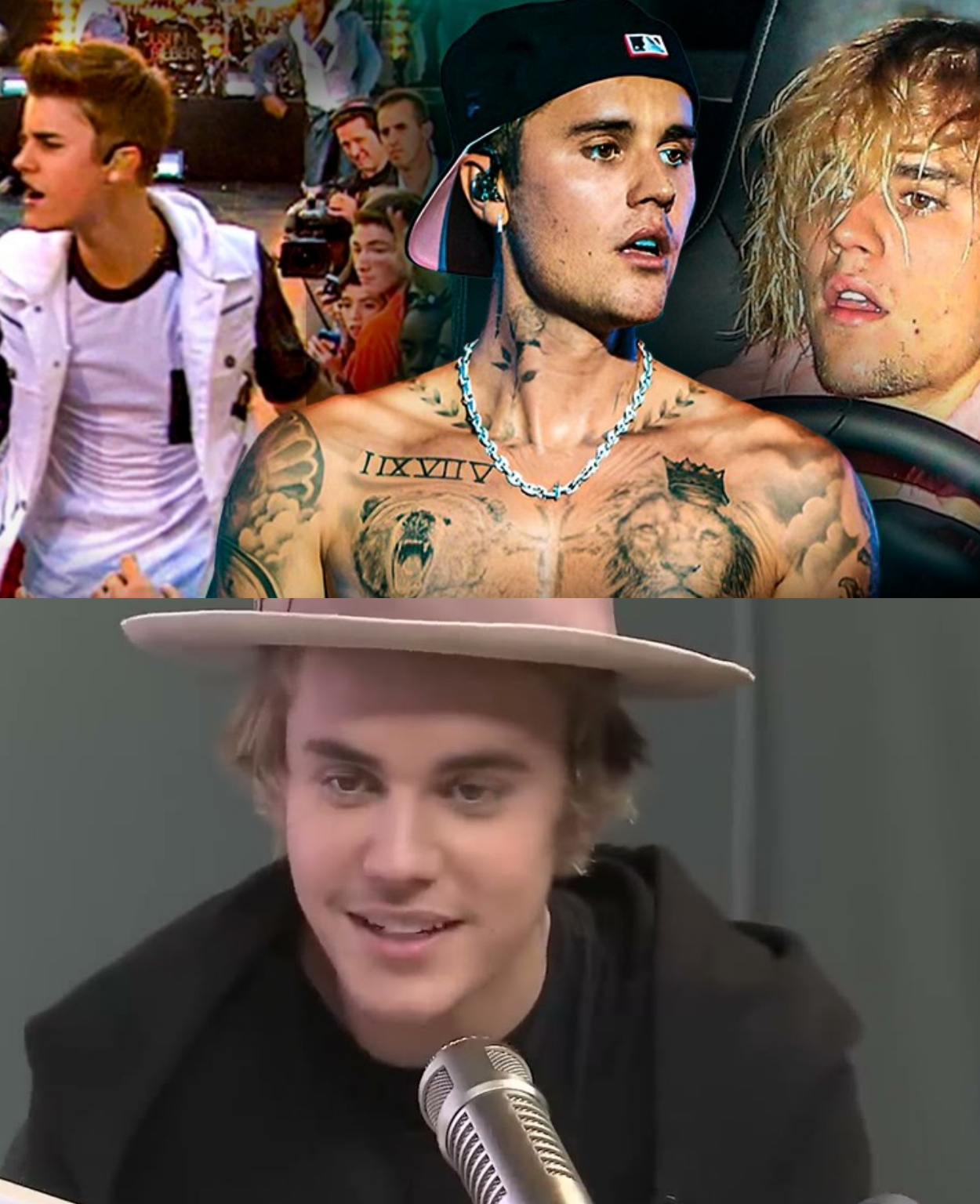
Harry Styles’ evolution from the lead singer of the world’s biggest boy band to a singular, genre-defying solo artist is one of the most compelling narratives in modern pop. To the casual observer, it looks like a smooth ascent; to the industry insider, it represents a remarkable case of an artist successfully reclaiming their agency from a machine designed to strip it away

The Manufactured Beginning
Harry’s story began in Holmes Chapel, where he worked at a bakery before his audition for The X Factor. His entry into the spotlight was orchestrated by Simon Cowell, whose business model relied on “manufacturing” talent. When Harry was grouped with Liam Payne, Niall Horan, Louis Tomlinson, and Zayn Malik, they were not just a band of friends; they were an investment product.
For five years, One Direction was a machine of relentless output. The boys were subjected to rigorous schedules, manufactured public personas, and a complete lack of control over their artistic direction. The industry saw them as a brand, not as individuals. Behind the scenes, the “golden cage” was suffocating—a life of hotel rooms, sold-out stadiums, and the persistent pressure to be the “dream boy” that millions of fans expected.
Breaking the Chains
The dissolution of the band in 2016 was the first step toward Harry’s reclamation of self. While the public saw a hiatus, Harry saw an opportunity to disappear and reconstruct his identity. His debut solo work, Sign of the Times, signaled a radical shift. It was an epic, piano-driven rock ballad that bore little resemblance to the hyper-produced pop of his One Direction days.
Harry’s reinvention was aggressive. He challenged traditional norms of masculinity, using fashion as a tool to dismantle expectations. Whether it was his appearance on the cover of Vogue in a dress—a move that sparked both historic praise and vitriolic conservative backlash—or his exploration of gender-fluid style, he was actively discarding the “dream boy” template that Cowell had forced upon him.
The Cost of Survival
Harry’s artistic success—marked by Grammy wins and record-breaking albums like Harry’s House—is only half the story. The process of “becoming Harry Styles” was deeply personal and often lonely. His exploration of vulnerability in songs like “Matilda,” which many fans interpret as a commentary on his desire to separate from the trauma of his past, highlights the emotional toll of his upbringing.
The industry machine thrives on the commodification of youth, and Harry’s ability to survive it without losing his artistic soul is rare. The tragedy of Liam Payne’s passing in late 2024 served as a grim reminder of the fragility of the young men who were once forced to navigate this machine. It forced a global moment of reflection on the cost of child stardom and the intensity of the bonds formed under the weight of such scrutiny.
The Man Who Found Himself
Today, Harry Styles occupies a space that few artists ever reach: he is entirely in command of his own brand. He has successfully transformed his celebrity from a burden into a platform for genuine connection and artistic exploration.
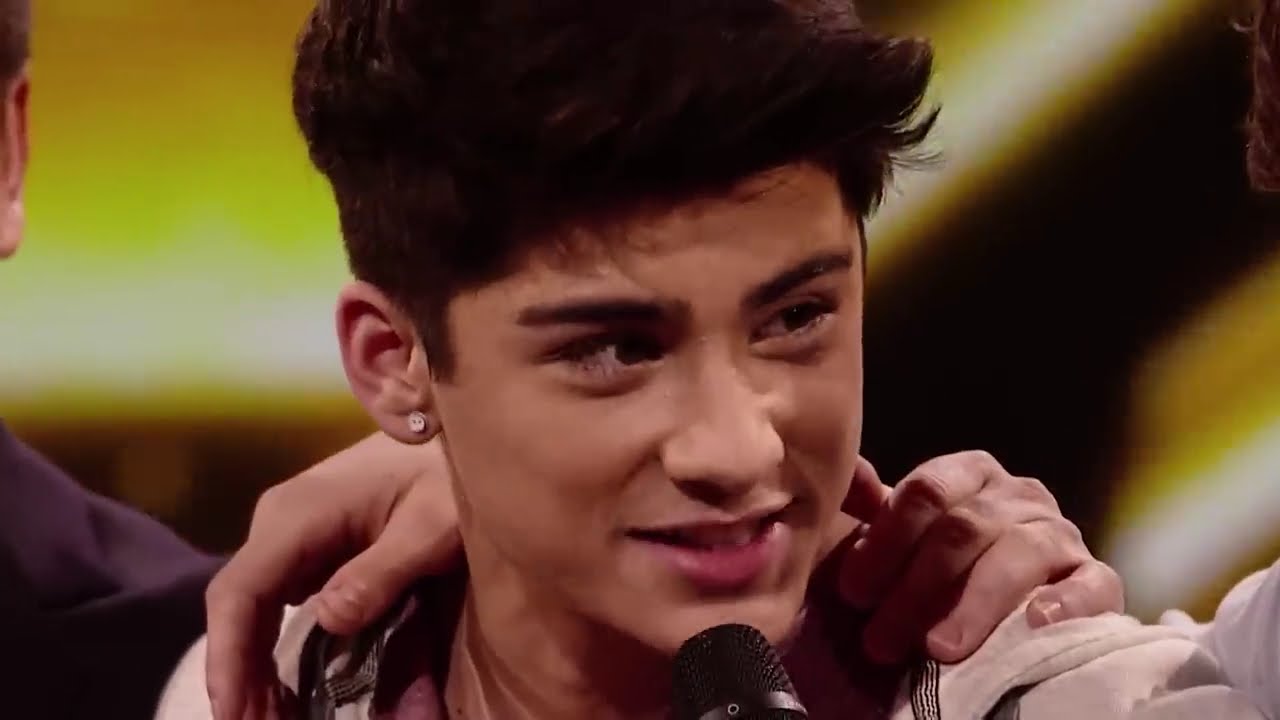
His journey proves that while fame can be a trap, it does not have to be a death sentence for one’s identity. By rejecting the restrictions placed on him as a teenager, Harry did more than just grow up—he dismantled the system that tried to own him, piece by piece. He remains a testament to the idea that authenticity is not something one is born with, but something one must fight to protect against an industry that would rather manufacture it.