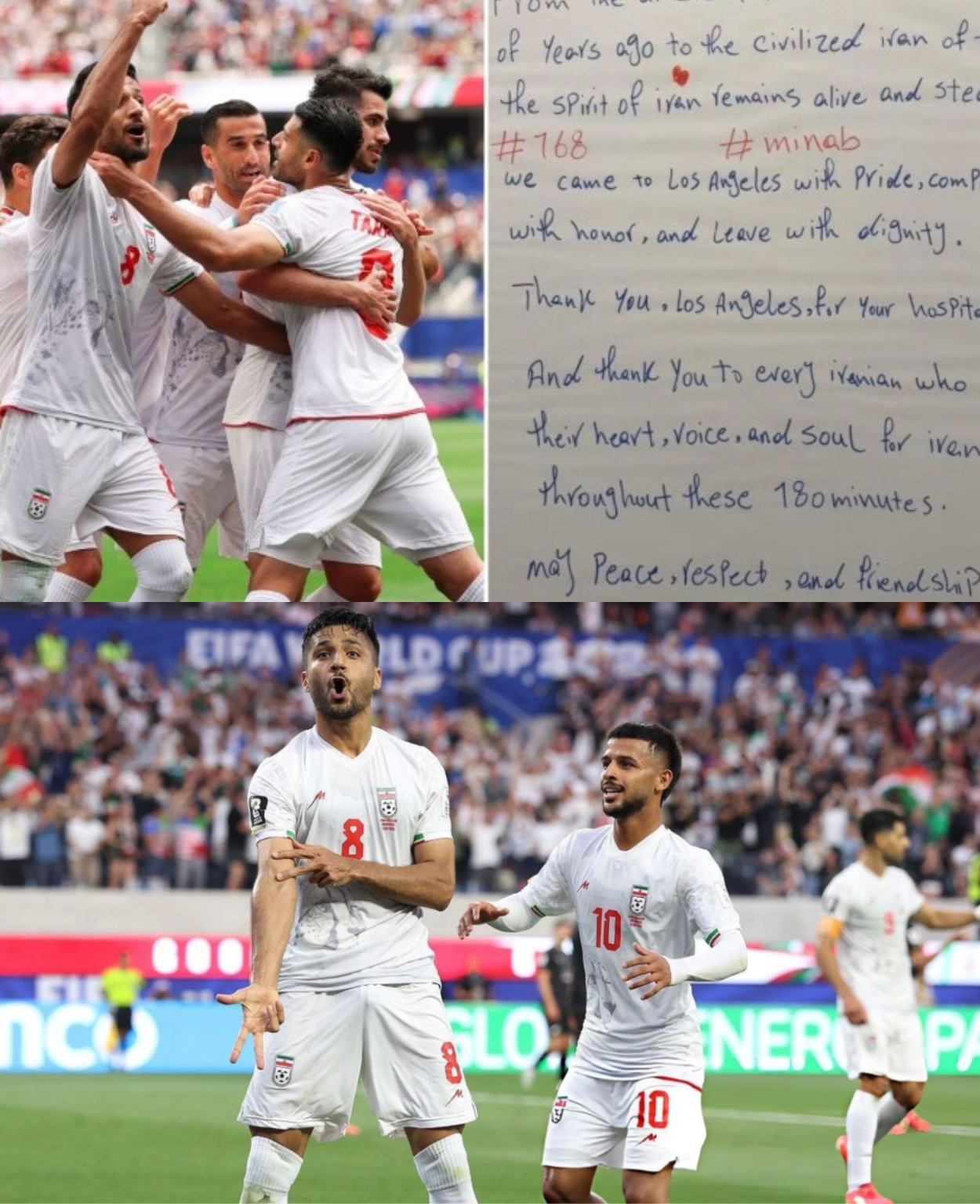
The FIFA World Cup is frequently defined by the spectacular goals, the agonizing penalty shootouts, and the roar of tens of thousands of fans echoing through massive stadiums. However, occasionally, the most profound and memorable moments of the tournament happen far away from the glaring floodlights and television cameras. Such is the case with the Iranian national football team at the 2026 World Cup. Following a grueling and heroic 0-0 draw against European powerhouse Belgium at the magnificent SoFi Stadium in Los Angeles, the Iranian squad left behind a simple, handwritten note in their locker room. This 74-word message, penned amidst severe off-field adversity, has rapidly become one of the most poignant and talked-about stories of the tournament, showcasing a level of grace and sportsmanship that transcends the game itself.

To fully appreciate the weight of this gesture, it is essential to understand the incredibly difficult circumstances surrounding the Iranian team’s campaign. Due to complex diplomatic and visa issues, the squad has been barred from setting up a permanent base camp within the United States. Instead, they have been forced into a logistical nightmare, establishing their headquarters in Tijuana, Mexico. This unprecedented arrangement dictates that the team must cross an international border, endure lengthy security protocols, and travel to Los Angeles merely to play their matches, before immediately packing up and returning to Mexico the very same night.
Following their opening 2-2 draw against New Zealand, team captain Mehdi Taremi did not mince words regarding the toll this was taking on the athletes. He openly described the situation as a “disaster,” highlighting the detrimental impact the constant travel was having on their recovery, tactical preparation, and overall well-being. “We must leave Los Angeles right now, and that is not good for us,” Taremi stated, expressing the frustration of a team forced to compete under conditions vastly inferior to their opponents. In the highly demanding environment of a World Cup, where every hour of rest is meticulously planned, this relentless commuting schedule is a massive competitive disadvantage.
Yet, despite this profound exhaustion and justifiable frustration, the team’s response after their second grueling match was not one of bitterness, but of profound dignity. After battling the heavily favored Belgian team to a standstill for 90 minutes—securing a vital point that keeps their hopes of advancing to the knockout stages very much alive—the Iranian delegation took a moment of quiet reflection before their mandatory departure. Before leaving the immaculate confines of the SoFi Stadium locker room, they carefully left behind a handwritten letter.
The 74-word message, translated for the world to see, read: “From ancient Persia of thousands of years ago to the civilized Iran of today. The Iranian spirit has always been alive and steadfast. We came to Los Angeles with pride, played with honor, and leave with dignity. Thank you, Los Angeles, for your hospitality. And thank you to every Iranian who dedicated their heart, voice, and soul to Iran over the last 180 minutes. May peace, respect, and friendship exist among all nations.”
These incredibly eloquent words struck a deep chord. In an era where international sports are frequently overshadowed by political posturing and intense rivalries, this simple note served as a powerful reminder of the fundamental ideals that the World Cup was built upon. The players did not complain about their arduous travel schedule or the immense pressure they were under. Instead, they chose to express deep gratitude to the host city, immense pride in their rich cultural heritage, and a profound, universal desire for global harmony.
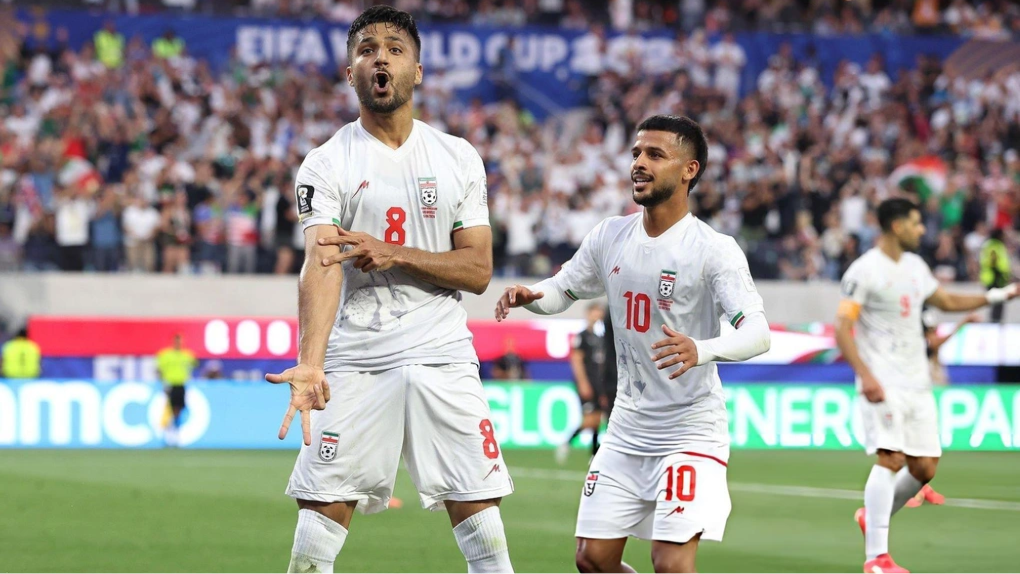
The impact of this message was immediately felt, not just among the stadium staff who discovered it, but across the global football community. It stands as a testament to the character of the squad and their management. Head coach Amir Ghalenoei perfectly encapsulated the team’s resilient mindset during his post-match press conference. “We came to the World Cup in the worst possible conditions,” he admitted candidly. “And yet, we still managed to get a result against a strong team with a great coach.” Ghalenoei’s pride in his players was palpable as he noted that Iran, for the first time in their World Cup history, had remained undefeated in their opening two group stage matches.
The Iranian team has proven that true strength is not solely demonstrated by athletic prowess on the field, but also by the manner in which one handles adversity off it. By choosing to focus on honor, gratitude, and a plea for international friendship while facing unprecedented logistical hardships, they have won a victory far greater than any three points could offer. As they return to their base in Mexico to prepare for a crucial final group stage clash against a formidable Egyptian side, they do so not just as a resilient football team fighting for survival in the tournament, but as global ambassadors who have beautifully reminded the world of the unifying, human spirit that lies at the very heart of the beautiful game.