
In the modern era of the internet, the court of public opinion moves with terrifying speed and devastating force. Hollywood studios, once impenetrable fortresses of decision-making that dictated cultural trends from the top down, now find themselves increasingly at the mercy of the very audiences they seek to entertain. Never has this power dynamic been more visibly tested than in the explosive controversy surrounding the upcoming blockbuster sequel, Aquaman and the Lost Kingdom. As the highly publicized and deeply agonizing legal battle between Amber Heard and Johnny Depp dominated global headlines, a massive digital uprising quietly took shape. A petition demanding that Amber Heard be completely removed from the superhero franchise rapidly crossed the staggering two-million signature threshold, sending unprecedented shockwaves through the entertainment industry and forcing a necessary conversation about accountability, double standards, and the sheer power of fandom.
The Crucible of the Courtroom
To understand the ferocious momentum behind this historic petition, one must look directly at the crucible of the Fairfax County courtroom where the defamation trial unfolded. When Amber Heard first penned her 2018 op-ed identifying herself as a public figure representing domestic abuse, the immediate cultural fallout landed squarely on her ex-husband, Johnny Depp. Within days, the actor was unceremoniously stripped of his most iconic and lucrative roles, effectively blacklisted by the very studios he had helped enrich for decades.
However, as the televised defamation trial progressed, the public was granted an unfiltered, agonizingly intimate look into the deeply toxic marriage. Through hours of grueling testimonies, disturbing audio recordings, and contradictory evidence, the narrative drastically shifted. Millions of viewers, watching in real-time, began to conclude that the story was far more complex than a simple victim-and-aggressor dynamic. As evidence of Heard’s own admitted physical altercations and emotional manipulations was broadcast to the world, public sympathy sharply pivoted toward Depp. The internet, acting as a collective jury, decided that they had been misled, and that realization ignited a fiery demand for immediate cosmic balance.
The Mechanics of a Digital Uprising
The petition, hosted on the popular platform Change.org, was not merely a fleeting moment of internet outrage; it was a highly organized, sustained campaign of digital activism. Titled simply, “Remove Amber Heard from Aquaman 2,” the document outlined a clear, impassioned argument. The creators of the petition meticulously cited the audio recordings and court testimonies that painted Heard as an instigator of violence, arguing that domestic abuse is a horrific reality that can victimize men just as severely as women.
Hitting the two-million signature mark is a monumental achievement in the realm of online petitions. It is a number that cannot be dismissed as a small, vocal minority or written off as coordinated bot activity. Two million signatures represent a massive, globally distributed demographic of paying moviegoers who are drawing a hard ethical line in the sand. Every time the trial produced a shocking new headline or a viral video clip of a cross-examination, the signature count skyrocketed. The petition transformed from a simple digital document into a living, breathing barometer of global public sentiment.
The Blinding Glare of Hollywood Double Standards
At the very core of this massive public outcry lies a deep-seated frustration with what fans perceive as a blinding Hollywood double standard. When the initial allegations against Johnny Depp surfaced, the swiftness of his corporate exile was breathtaking. Warner Bros. famously asked him to resign from his role as Gellert Grindelwald in the Fantastic Beasts franchise—a multi-million dollar penalty enacted long before any definitive legal verdict was reached in the defamation suit. Disney similarly severed ties, leaving the beloved Pirates of the Caribbean franchise completely adrift.

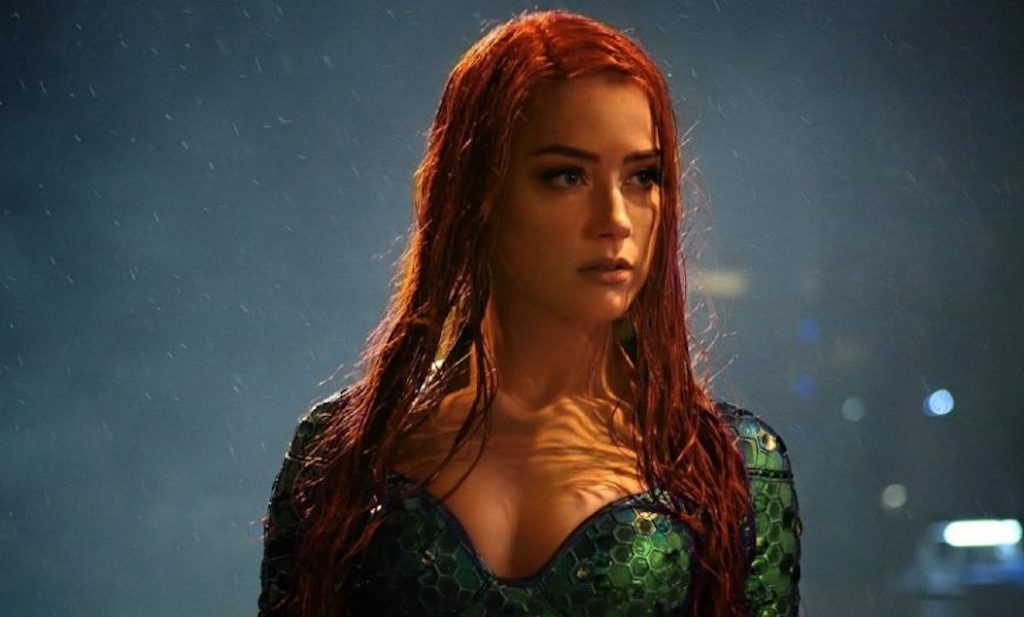
Fans looked at this swift corporate justice and then turned their gaze toward Amber Heard, who retained her lucrative role as the Atlantean princess Mera in the billion-dollar Aquaman franchise without any apparent friction. The hypocrisy felt palpable to the millions signing the petition. Why, they demanded to know, was a male actor instantly financially ruined over allegations, while a female actress, facing a mountain of deeply compromising evidence broadcast on global television, was allowed to keep her superhero cape? This perceived inequality fueled the fire, transforming the petition from a boycott of an actress into a broader crusade against systemic industry bias.
A Billion-Dollar Dilemma for Warner Bros.
For the executives sitting in the boardroom at Warner Bros., the crossing of the two-million signature mark represents an absolute, terrifying public relations nightmare. Aquaman and the Lost Kingdom is not a small, independent art film; it is a massive tentpole production carrying a budget of hundreds of millions of dollars. The studio is banking heavily on the film to anchor their cinematic universe and generate massive global revenue.
Now, the studio is trapped between a rock and a hard place. On one hand, bowing to an online petition sets a highly dangerous precedent, essentially handing the creative control and casting authority of multi-million dollar properties over to the unpredictable whims of internet mobs. Furthermore, completely reshooting Heard’s scenes would require astronomical financial investments, logistical miracles to coordinate the schedules of lead actors like Jason Momoa, and massive delays to the film’s release date.
On the other hand, entirely ignoring the roar of over two million angry consumers is financial suicide. The threat of a highly organized, global boycott is very real. If the fans who signed the petition refuse to purchase tickets, and actively campaign against the film online, the box office returns could be utterly catastrophic. Rumors have swirled relentlessly that the studio has attempted to compromise by drastically reducing Heard’s screen time, but for the millions who signed their names demanding her total removal, a mere reduction is viewed as an unacceptable half-measure.
The Permanent Scar on the Franchise
Regardless of how Warner Bros. ultimately chooses to navigate the final cut of the film, the damage to the Aquaman brand is already done. The conversation surrounding the highly anticipated sequel is no longer about the stunning visual effects, the expansion of the underwater mythology, or the charismatic leading performance of Jason Momoa. Instead, the film is permanently tethered to the ugly, bruising reality of a celebrity defamation trial. Every promotional interview, every red carpet event, and every trailer release will be overshadowed by the looming specter of the controversy.
The two million signatures demanding Amber Heard’s removal are a stark, undeniable testament to the shifting landscape of modern entertainment. Audiences are no longer passive consumers willing to accept whatever the studios serve them. They are active, vocal participants armed with the digital tools necessary to hold powerful institutions accountable. They demand consistency, they demand transparency, and above all, they demand that the moral standards applied to one gender are equally applied to the other.
As the release date for Aquaman and the Lost Kingdom draws closer, the entire industry is watching with bated breath. The saga of this petition is no longer just about Amber Heard or Johnny Depp; it is a defining case study in the power of fandom. It is a loud, unequivocal warning to Hollywood that the people buying the tickets ultimately hold the power, and when they feel ignored or patronized, their collective roar can sink even the biggest cinematic ships.