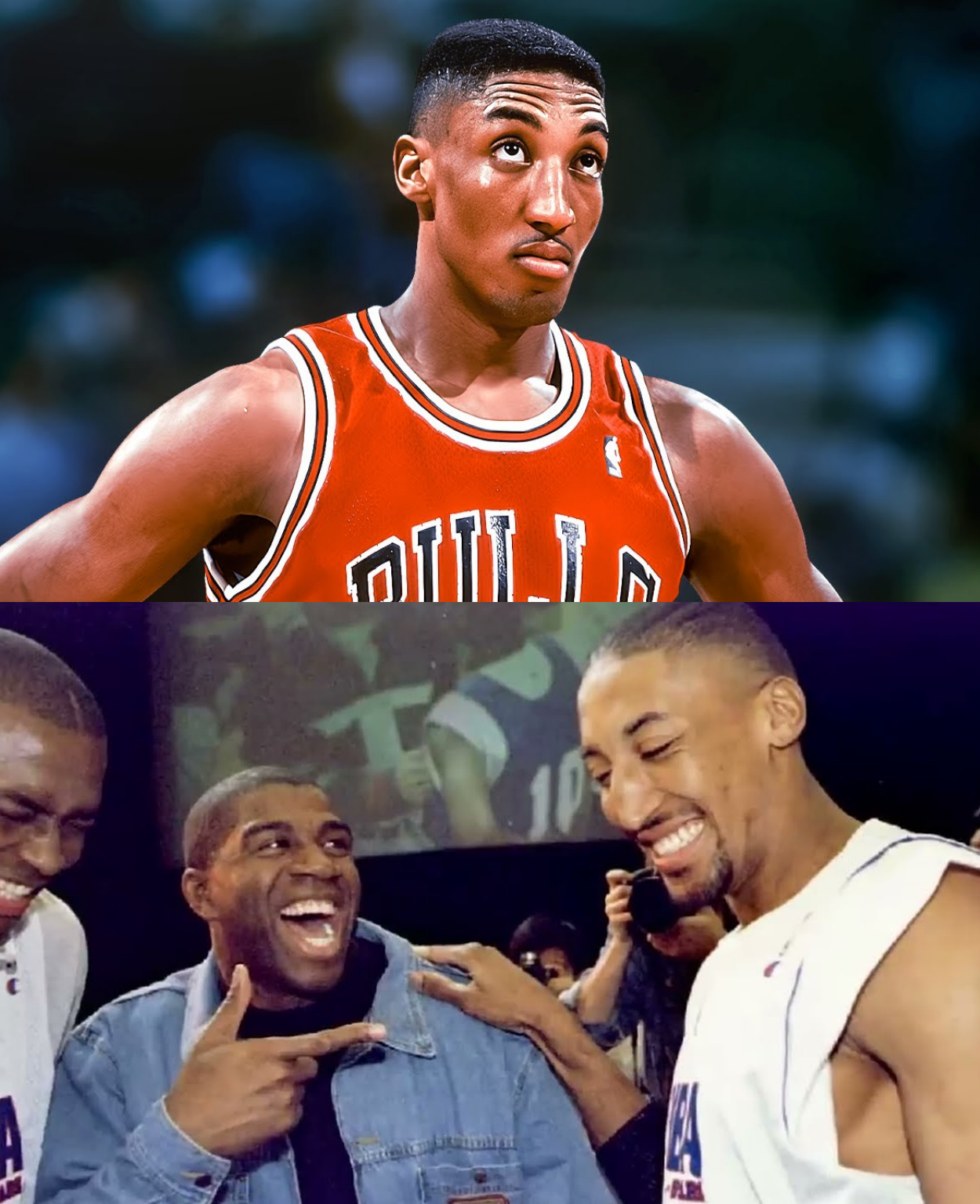
In the pantheon of basketball greatness, Scottie Pippen is often unfairly relegated to the role of “the ultimate sidekick.” To the casual fan, he is the man who stood beside Michael Jordan, the indispensable Robin to Batman. But to those who truly understand the dynamics of the 1990s Chicago Bulls, that narrative is not only incomplete—it is dangerously reductive. Without Scottie Pippen, there would have been no six championships. There would have been no dynasty. In many ways, he was the heartbeat of the team, a revolutionary talent who allowed Jordan to focus his energy on scoring while he controlled everything else.
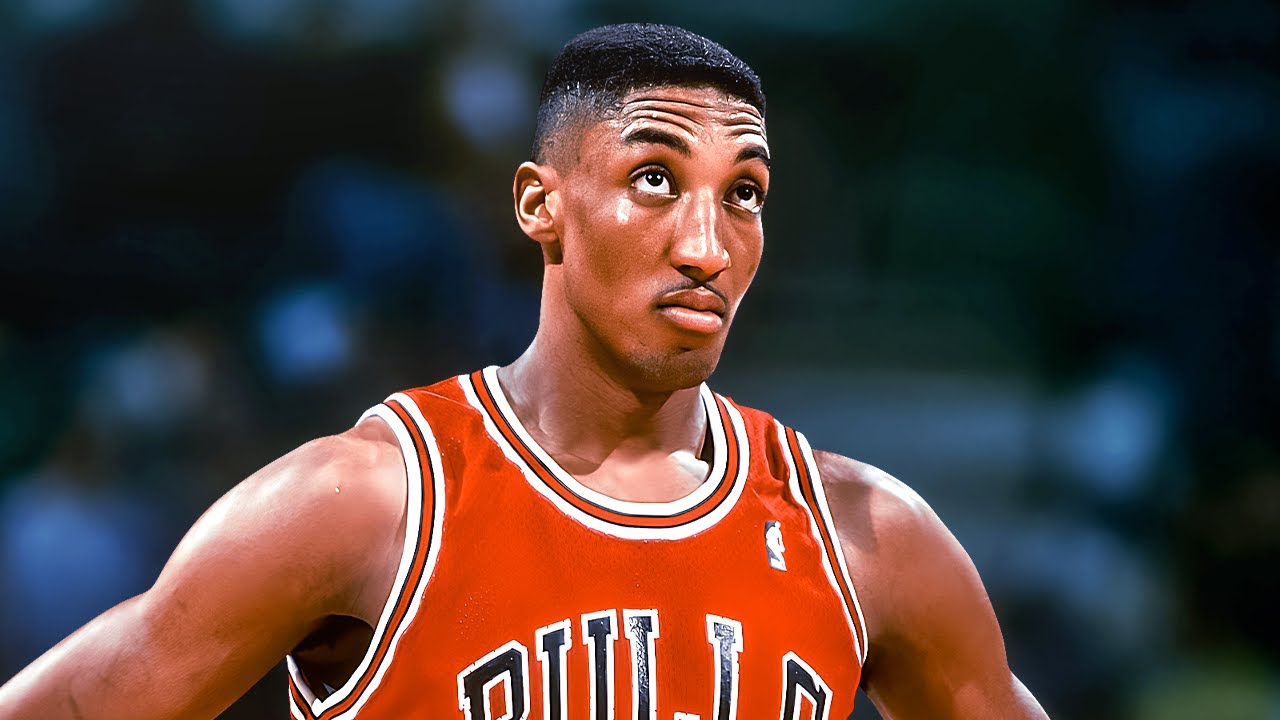
Pippen’s journey to the NBA was an improbable fairy tale of resilience. Growing up as the youngest of twelve children in a small Arkansas town, his basketball dreams were nearly extinguished before they began. Standing only 6-foot-1 upon high school graduation and possessing no college offers, he was a nobody. Through a favor from a high school coach, he landed a spot as a team manager at the University of Central Arkansas. It was there that nature intervened; a miraculous growth spurt shot him up to 6-foot-8, and his frame filled out, turning him into a terrifying blend of point-guard vision and wing athleticism. By the time he left for the NBA, he was a hidden gem, and Jerry Krause’s decision to draft him remains one of the most brilliant gambles in league history.
When Pippen arrived in Chicago, the Bulls were a team defined by individual brilliance but collective failure. Jordan was already a superstar, but he was trapped in a cycle of early playoff exits. Pippen’s arrival, along with that of Horace Grant, changed the DNA of the franchise. He was raw, skinny, and overwhelmed by the pace of the professional game, but his defensive instincts were immediate. Within a few seasons, he had evolved into the most suffocating wing defender in the NBA, a player capable of hounding opponents for 48 minutes with tireless energy and a pterodactyl-like 7-foot-3 wingspan.
The true testament to Pippen’s individual greatness, however, occurred during the two years Michael Jordan stepped away from the game to pursue baseball. Suddenly, the burden of the Bulls shifted entirely to Pippen. The media expected him to crumble, to attempt to mimic Jordan’s scoring volume and fail. Instead, Pippen did what he did best: he played winning basketball. He led the Bulls to a 55-win season, finished third in the MVP voting, and proved that he was a world-class leader. That season, he was the All-Star MVP and a unanimous selection for the All-NBA First Team. He was no longer a shadow; he was a sun in his own right.
Yet, this tenure was not without its controversies. Perhaps the most famous moment was the 1994 playoffs, when a frustrated Pippen refused to enter a game in the final seconds because Phil Jackson drew up the last shot for Tony Kukoc instead of him. It was a rare, naked display of ego from a player who spent his career sacrificing for the team. It was a humanizing—and deeply damaging—moment, but one that highlighted the immense pressure of carrying a franchise that was still, in the minds of many, “Jordan’s team.”
Pippen’s defense was not just a skill; it was a psychological weapon. He was the original “point forward,” a player who could bring the ball up the floor, initiate the offense, and lock down the opponent’s best player on the other end. He could guard all five positions during a single possession, using his lateral quickness and intelligence to disrupt entire defensive systems. As Kobe Bryant once noted in his Detail series, Pippen’s ability to hound elite scorers allowed Jordan to conserve the stamina he needed to dominate offensively. Without Pippen, the Bulls could never have executed the full-court pressure that became their trademark.
The latter years of his career, unfortunately, were marked by bitter battles with the Bulls’ front office. Jerry Krause’s failure to restructure Pippen’s contract, despite him clearly being one of the most underpaid superstars in league history, created a deep, festering resentment. By his final run with the team in 1998, Pippen was playing through a debilitating back injury, serving largely as a decoy in the Finals against the Utah Jazz. Yet, he still gutted out a championship victory, stealing a critical inbounds pass in the final seconds of Game 6 to seal the team’s sixth and final title.
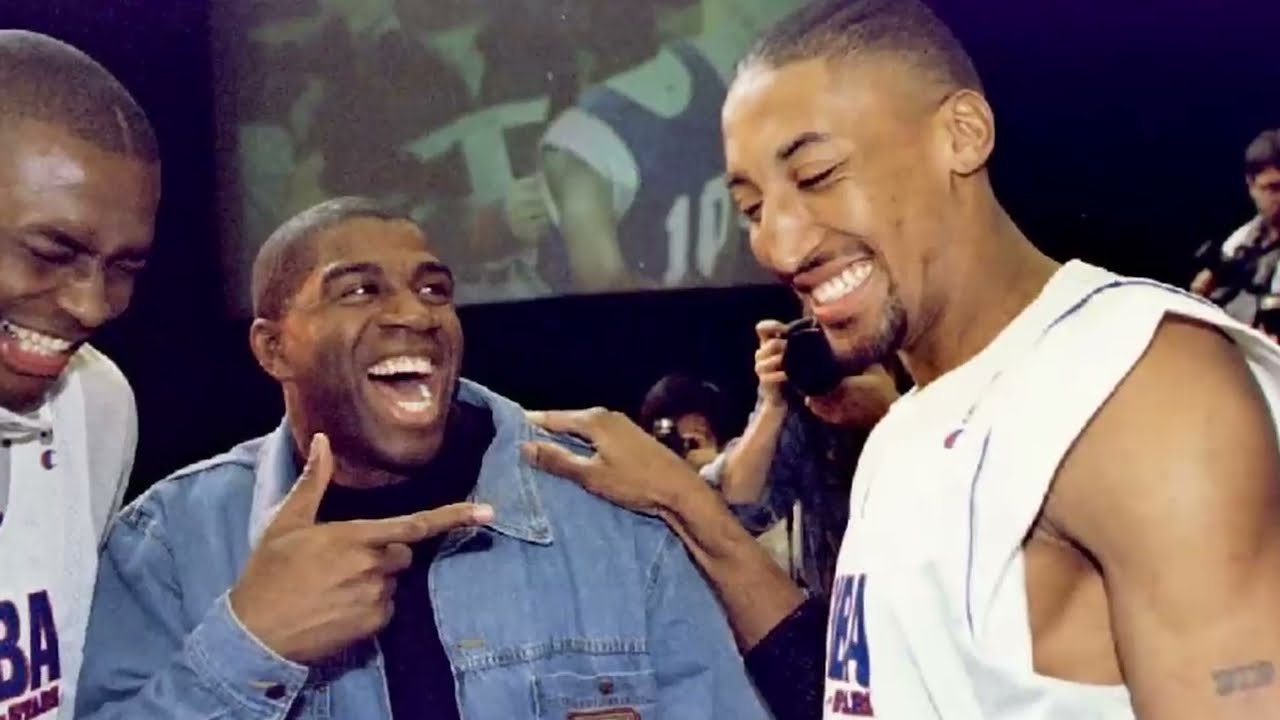
After leaving Chicago, Pippen’s stints in Houston and Portland were marked by diminishing returns and the weight of age, but his legacy remained intact. He was the ultimate team player, a man who could impact a game without taking a single shot. While he often played in Jordan’s shadow, his own Hall of Fame trajectory proves he was a titan of the sport. Scottie Pippen was the glue that held the greatest dynasty in sports history together. He was a defensive genius, a brilliant passer, and a winner in every sense of the word. History may remember Jordan as the hero, but Scottie Pippen was the strategist, the warrior, and the secret engine that made the Chicago Bulls invincible.