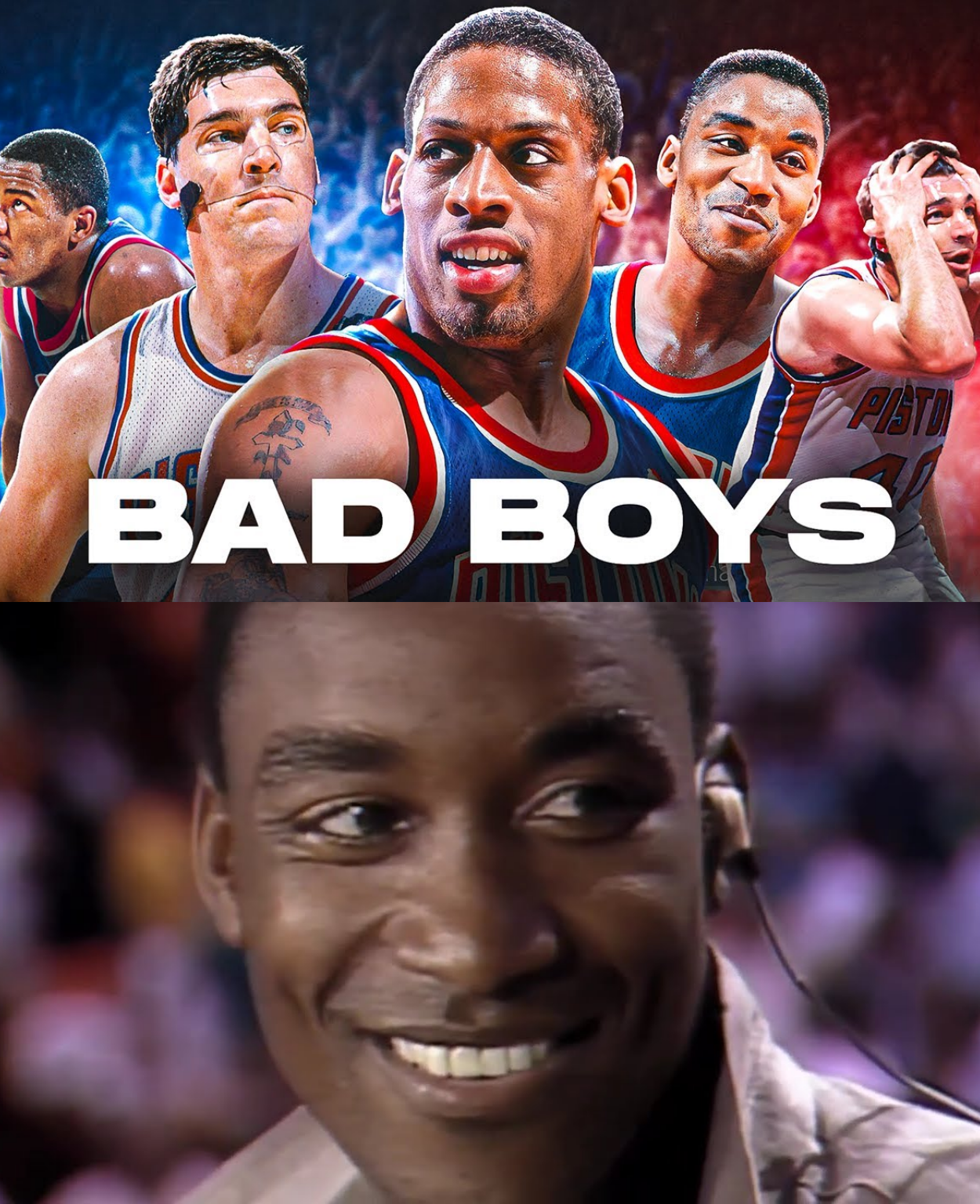
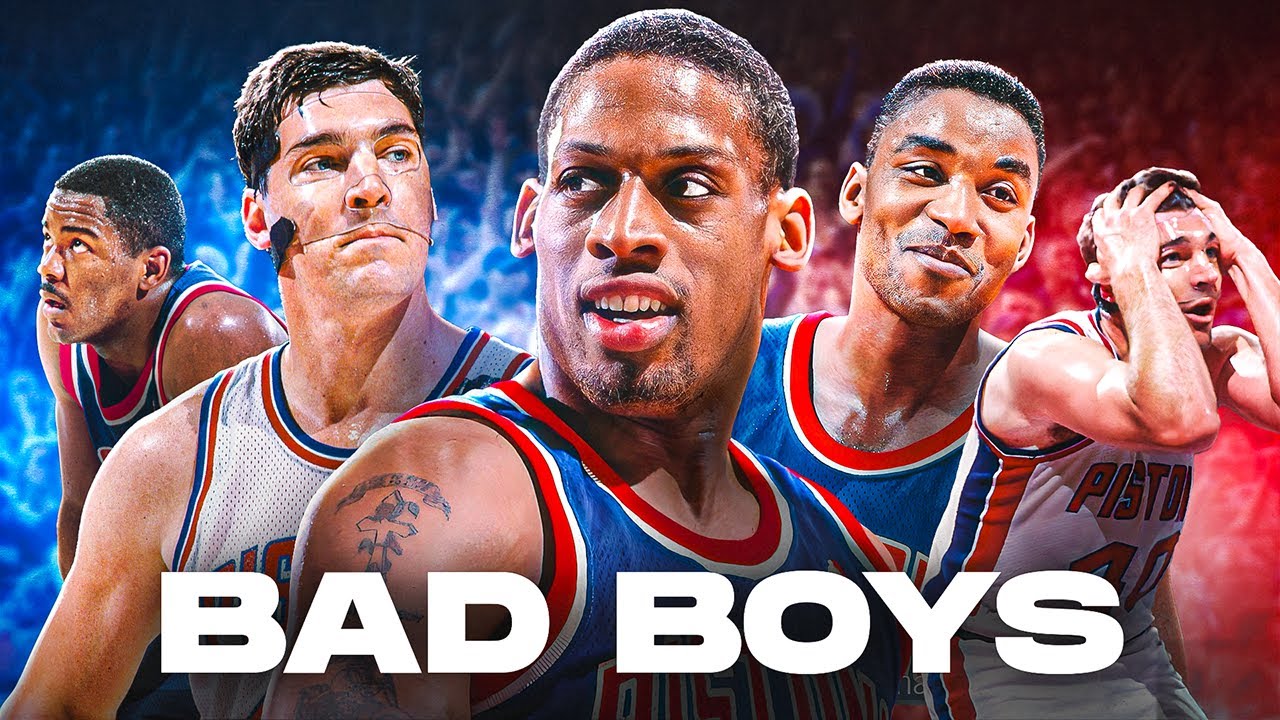
In the history of the NBA, there has never been a team quite like the Detroit Pistons of the late 1980s. They were not the graceful, high-flying dynasties of Los Angeles or the disciplined, fundamental machines of Boston. They were something else entirely. They were the “Bad Boys”—a collective of gritty, unrelenting, and notoriously physical players who didn’t just want to win games; they wanted to dismantle the opposition’s will to play. While critics labeled them as the dirtiest team to ever step on the hardwood, history has begun to look at them differently. They were not just villains; they were visionaries who fundamentally changed the defensive landscape of professional basketball.
From Ghost Town to Grit
To understand the rise of the Bad Boys, one must look at the depths from which they emerged. In 1980 and 1981, the Detroit Pistons were the laughingstock of the NBA. They were coming off back-to-back seasons with 60 or more losses, and their home arena, the Silver Dome, was a cavernous, empty space that felt more like a tomb than a basketball venue [00:31]. No free agent wanted to live in Detroit, and no fan wanted to pay to watch them play.
The tide began to turn in the 1981 draft when the team selected Isiah Thomas. A college phenom who famously tried to sabotage his pre-draft interview because he wanted to play for his hometown Chicago Bulls, Thomas was drafted by Detroit anyway [01:08]. General Manager Jack McCloskey, affectionately known as “Trader Jack,” recognized that he couldn’t build a team on talent alone—he needed a specific type of personality. Shortly thereafter, he acquired Bill Laimbeer, a center whose willingness to embrace the “enforcer” role would become the bedrock of the team’s identity [02:49].
The Philosophy of “The Jordan Rules”
By the mid-80s, under the guidance of head coach Chuck Daly, the Pistons had found their rhythm. They implemented a defensive scheme that was essentially a declaration of war: 94-foot defense [07:13]. While most NBA teams operated under a “gentleman’s agreement” to let the offensive team cross half-court unbothered, the Pistons pressured, bumped, and agitated from baseline to baseline [07:33].
This intensity reached its apex in their rivalry with the Chicago Bulls. Chuck Daly’s “Jordan Rules”—a set of ruthless, calculated defensive guidelines—were designed to do one thing: neutralize Michael Jordan by any means necessary [12:14]. If Jordan drove left, he was funneled into a double team. If he was in the paint, he was met by a wall of defenders who were instructed to “nail him” if he got past his primary defender [12:30]. It was not necessarily “dirty,” though it often appeared that way; it was systematic physical domination.
Embracing the Villainy
The moniker “Bad Boys” wasn’t something the Pistons originally sought out. It was thrust upon them by an NBA-produced highlight tape in 1988, which the team quickly adopted as a badge of honor [11:22]. When asked about the label, Isiah Thomas didn’t shy away; he gave his signature smirk and asked, “Are we the bad boys?” [11:27].
By leaning into the role of the league’s antagonist, the Pistons created a psychological advantage. They wanted opponents to be afraid of them. Bill Laimbeer, arguably the most hated player in NBA history, epitomized this. He played with a reputation for putting his feet in the landing area of jump shooters—a move that made him a pariah among peers but an invaluable asset to Daly’s defense [08:26]. The team thrived on the hate. They thrived on the boos, the technical fouls, and the perception that they were “ruining the game.”
The Climb to the Summit
After suffering heart-wrenching playoff losses to the Boston Celtics in 1987—a series marked by an iconic Larry Bird steal that robbed the Pistons of a victory—the team finally broke through in 1989 [06:17]. They swept the defending champion Los Angeles Lakers in the Finals, with Magic Johnson and Byron Scott dealing with injuries that only made the Pistons’ victory appear more inevitable [13:11]. They repeated the feat in 1990, proving that their style of play was not a fluke but a championship formula.
The Pistons were deep, talented, and tactically brilliant. Players like Joe Dumars, Dennis Rodman, and Rick Mahorn were not just brawlers; they were highly intelligent basketball players who perfectly executed a system that demanded total self-sacrifice. Rodman, specifically, was a revolution in the paint, working his way from an airport janitor to the league’s premier defensive specialist through sheer, unadulterated energy [05:11].
The End of the Era and the Lasting Legacy
Every dynasty has its expiration date. For the Pistons, it came in 1991. After sweeping Detroit in the Eastern Conference Finals, a young Chicago Bulls team had officially usurped the kings of the East. The series ended with a moment that would haunt the Pistons’ reputation for decades: Isiah Thomas and his team walked off the court before the final buzzer, refusing to shake hands with the Bulls [14:29].
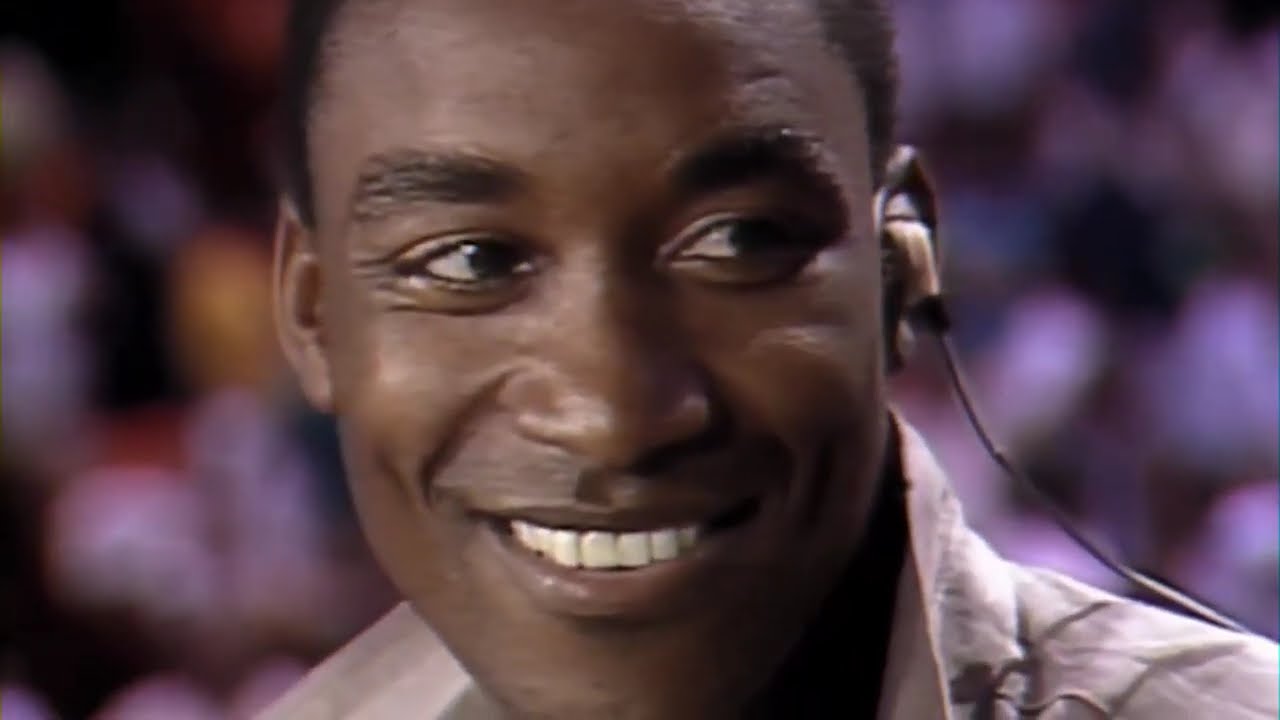
While the media characterized it as a “gangster” walk-off and a final display of bad sportsmanship, for the players, it was an emotional realization that their era had ended [14:47]. The Bad Boys were not just bullies; they were a group of warriors who had pushed the league to its absolute physical limit.
The legacy of the Detroit Pistons is complex. They were the bridge between the golden era of the 80s and the rising dominance of Jordan’s Bulls. They forced the NBA to become tougher, more physical, and more tactically aware. Today, we remember them as villains, but if you ask any coach or executive from that era, they will tell you the truth: the Bad Boys were the team that made everyone else better. They were the necessary antagonist, the gritty reality in a league of stars, and without them, the story of the NBA would have been significantly less compelling. They played the role of the villain perfectly, and in doing so, they secured their spot in basketball immortality.