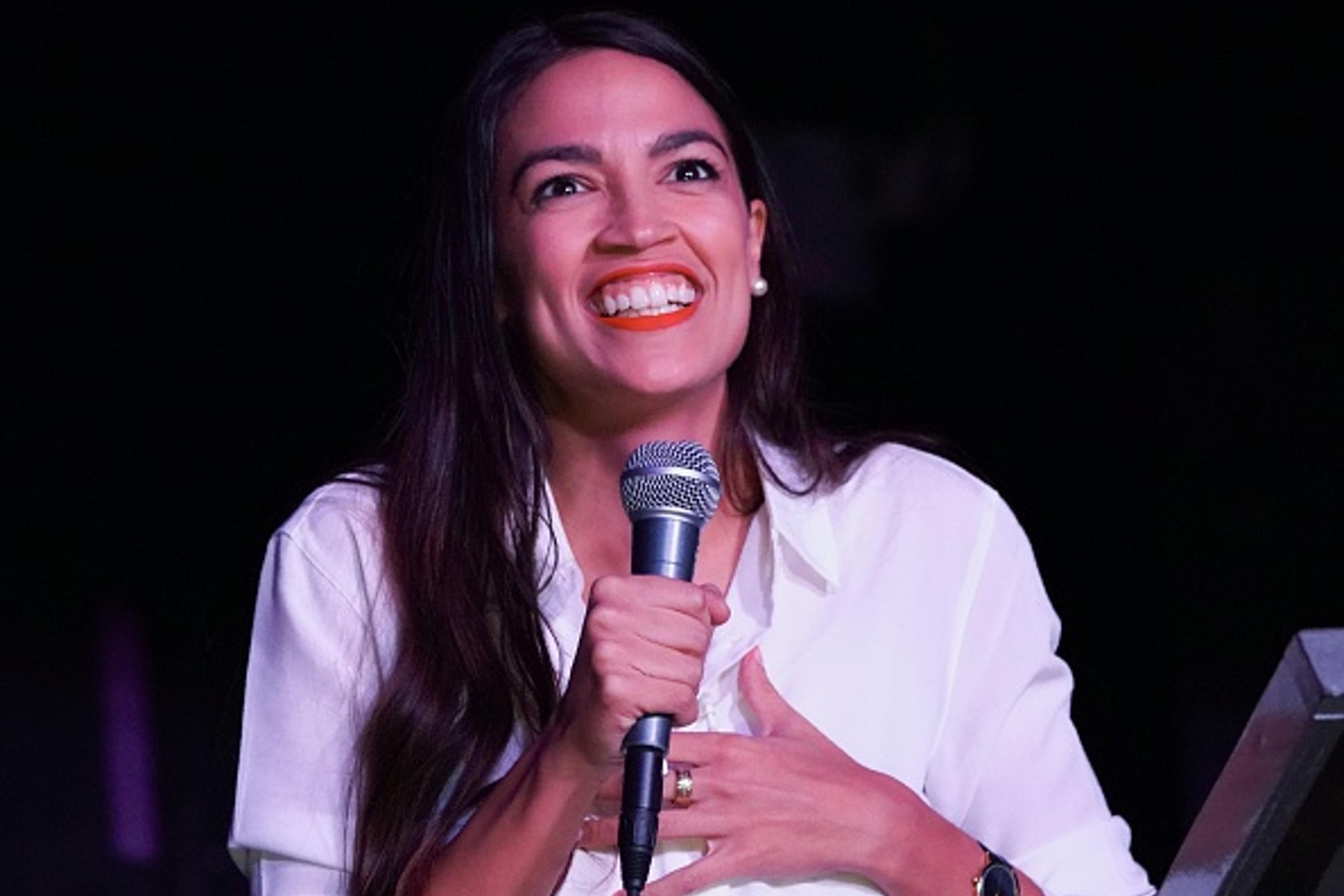
The landscape of modern American politics is increasingly defined not by the slow, deliberate crafting of public policy, but by the rapid, volatile curation of digital celebrity. In this high-stakes arena of public perception, few figures have risen as rapidly or commanded the digital spotlight as fiercely as Representative Alexandria Ocasio-Cortez. Promoted for years by friendly media outlets as the fearless, unfiltered voice of a new progressive generation, the lawmaker built an empire out of viral clapbacks, Instagram live streams, and sharp rhetorical takedowns of her political opponents. Yet, a series of highly visible media moments has triggered a profound shift in the cultural landscape, suggesting that the carefully constructed illusion surrounding the progressive firebrand is beginning to experience severe structural failure.
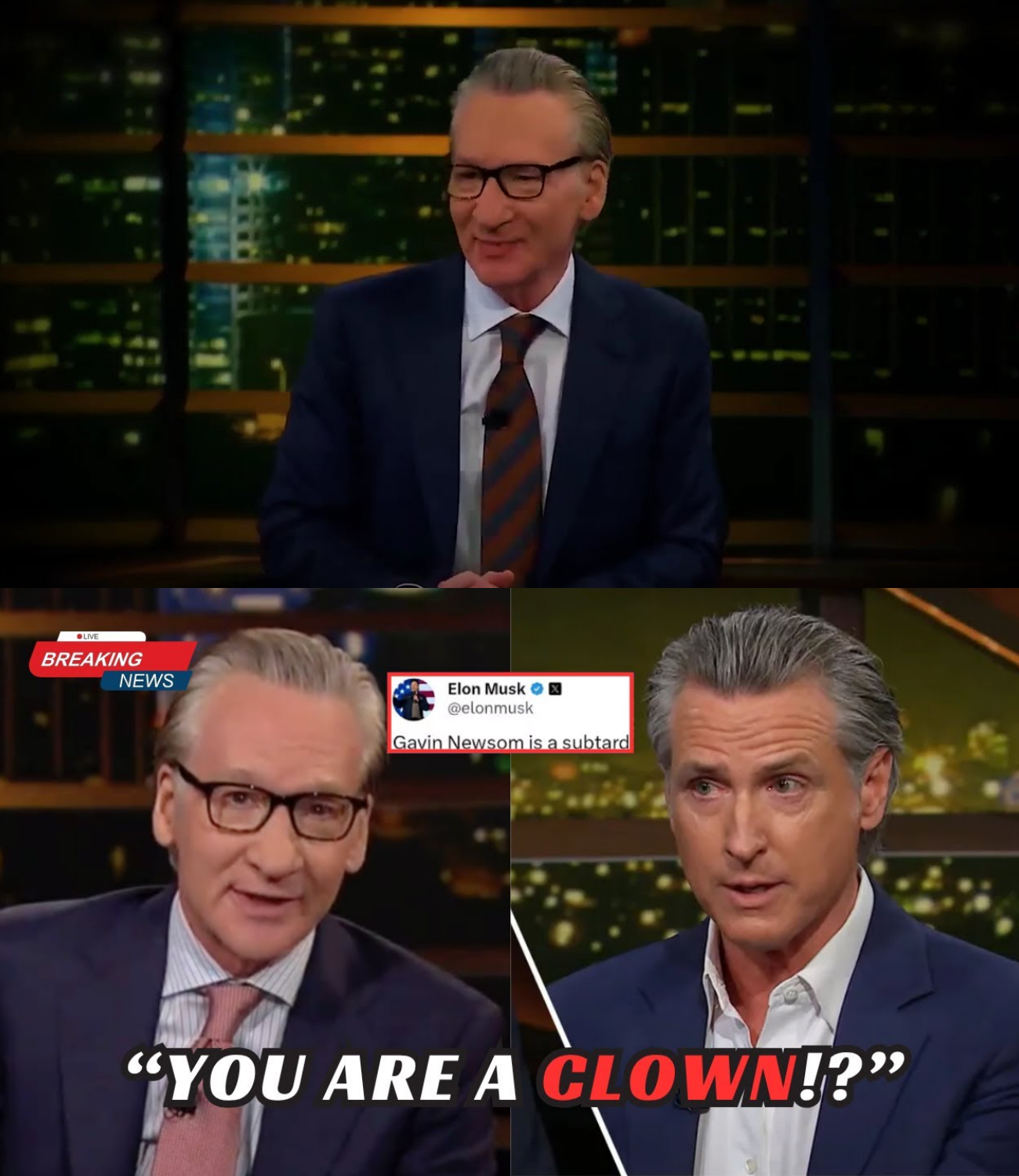
The catalyst for this renewed national conversation occurred in the most unscripted environment possible: live, late-night television. Veteran political commentator and comedian Bill Maher took to his platform to deliver a searing, direct critique of Ocasio-Cortez’s political standing, effectively tearing her manufactured image to shreds before an audience of millions. Maher, known for his willingness to challenge the orthodoxies of both major political parties, did not mince words. He attacked the notion that mainstream America is eager to embrace the far-left ideology championed by Ocasio-Cortez, arguing instead that outside of highly insular progressive echo chambers, the appetite for her specific brand of performative politics is virtually non-existent.

This televised dismantling was not an isolated incident, but rather the culmination of a growing pattern of vulnerability that has become impossible for political analysts to ignore. For years, the primary appeal of the progressive icon was her perceived authenticity—the idea that she was a bold outsider speaking truth to entrenched power. However, when removed from the controlled environments of social media filters and sympathetic interviewers, that authenticity has frequently been replaced by visible hesitation and a reliance on pre-rehearsed talking points. Critics point to a series of high-profile interviews where basic follow-up questions on complex geopolitical issues, such as the Israel-Palestine conflict, resulted in visible discomfort and rhetorical retreat. When pressed to expand on authoritative statements, the fierce champion of the left has occasionally been forced to confess a lack of expertise, a sudden vulnerability that contrasts sharply with her standard online persona.
The political fallout from these performance gaps has extended far beyond late-night comedy stages. Media giant Joe Rogan recently amplified the critique by drawing a direct, unflattering comparison between Ocasio-Cortez and Vice President Kamala Harris. Rogan characterized both politicians as manufactured media darlings—empty suits designed to perform optimally within the metrics of social media algorithms while offering very little in the way of substantive, practical policy solutions. When such critiques begin to resonate not just with partisan opponents but with large, independent, and centrist audiences, it indicates that the viral magic trick has begun to expire. The public is increasingly recognizing that a high volume of speech does not inherently equate to truth, and intense anger cannot serve as a permanent substitute for logical argument.
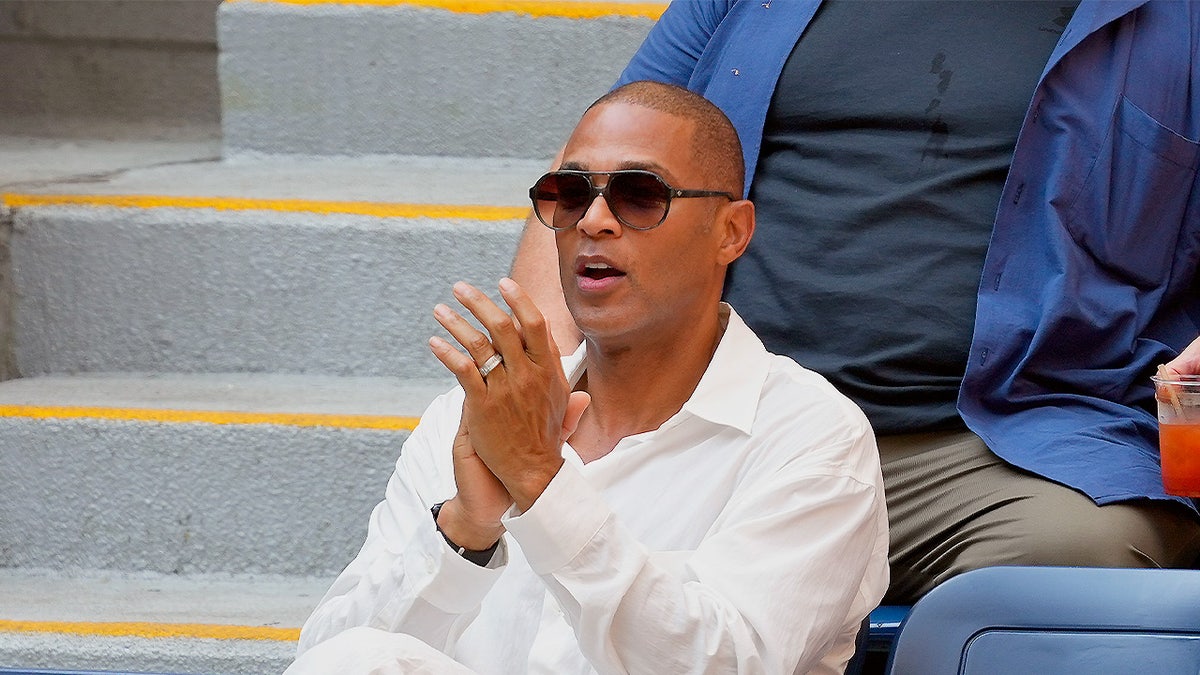
This tension between carefully managed theater and unscripted reality was put on stark display during a highly publicized clash between Bill Maher and former CNN anchor Don Lemon. Sitting across from Maher, Lemon attempted to mount a vigorous defense of the progressive movement, confidently asserting that the Democratic establishment needed to elevate politicians like Ocasio-Cortez because they represent the authentic desires of the American electorate. Maher’s response was swift and unyielding, challenging Lemon to look outside his own elite social circles. In a telling moment of televised vulnerability, Lemon was forced to concede that even among his own peers, enthusiasm for an Ocasio-Cortez-led future was deeply fractured. The exchange highlighted a fundamental disconnect within the media landscape: the tendency to mistake high digital engagement for broad, mainstream political support.
Furthermore, the critique of this progressive phenomenon extends heavily into the realm of ideological consistency. The media apparatus spent years positioning the lawmaker as a tireless champion of the working class, an narrative that sits uncomfortably alongside her participation in high-society elite events. The image of a public servant lecturing everyday Americans about the systemic evils of capitalism and wealth inequality while simultaneously attending exclusive, red-carpet galas surrounded by the nation’s billionaire class has struck many as the height of performative hypocrisy. Dressed in high-end designer gowns and moving through velvet-roped VIP rooms, the transition from high-society elite to internet populist the following morning has alienated a growing segment of working-class voters who view the display as theater with a convenient costume change.
This reliance on performance over substance becomes particularly problematic when applied to highly sensitive cultural debates, such as the ongoing conversations surrounding fairness and competitive integrity in women’s sports. Rather than engaging in nuanced, evidence-based discussions regarding biology and policy, the progressive rhetorical strategy has frequently relied on ideological aggression. Citizens and athletes who express legitimate concerns regarding the preservation of female sports categories are routinely branded with severe moral labels. By transforming a complex biological and administrative question into an absolute moral war, the rhetoric seeks to shut down debate entirely. However, this absolute refusal to engage with counter-arguments or accept factual corrections has only served to deepen the public’s growing fatigue with ideological buzzwords.
When the grand speeches are placed on mute, the dramatic hand gestures, the deeply furrowed brows, and the calculated pauses reveal the mechanics of a highly rehearsed performance. When the sound is restored, the empty nature of the underlying logic becomes readily apparent. The modern electorate is demonstrating a sophisticated capacity to distinguish between genuine, institutional leadership and digital brand management. The desperate need within certain political factions to constantly chase whatever trend is currently dominant on social media platforms has led to a degradation of long-term vision and core conviction. Principles have become negotiable, and policy has been replaced by whatever garners the highest engagement by the end of the workweek.
Ultimately, the challenges currently facing Alexandria Ocasio-Cortez are not the result of a coordinated takedown by her media rivals, nor can they be blamed entirely on the sharp critiques of figures like Bill Maher or Joe Rogan. Instead, the evidence suggests a process of political self-destruction brought about by the unsustainable nature of digital celebrity. The myth of the flawless progressive superstar is cracking under the weight of its own internal contradictions. As the filters fade and the studio lighting dims, mainstream America is left looking at a political figure who has run out of places to hide, exposing the reality that the revolutionary movement we were promised was little more than a media-driven mirage.