The Cracks in the Facade
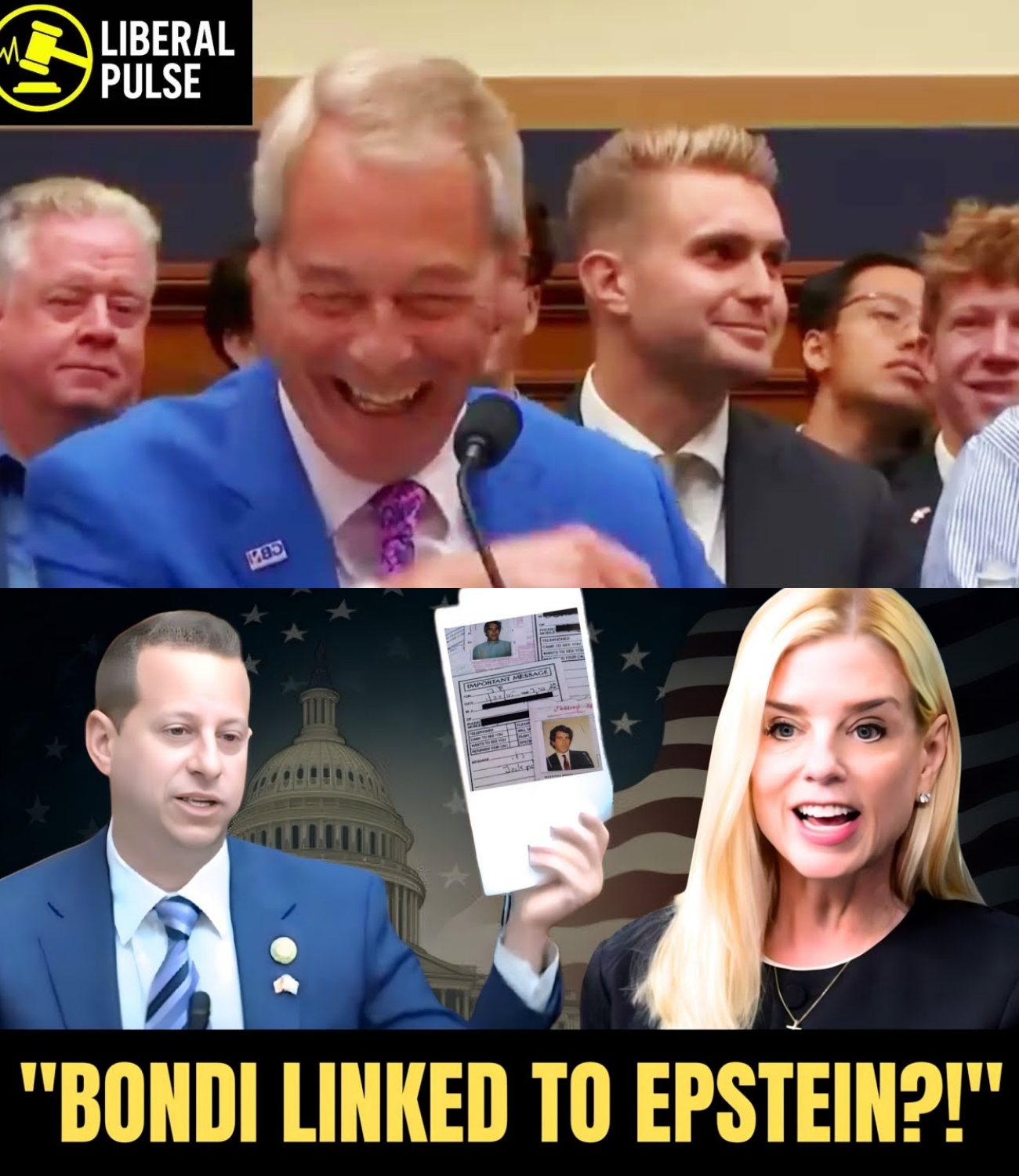
It began as a mundane, almost tedious session of a congressional hearing focused on free speech and media oversight. Lawmakers were seated in their usual arrangements, discussing procedural nuances and legislative jargon. But the atmosphere in the room shifted instantly when one congressman broke from the standard script. He didn’t ask about legal definitions or digital rights; he asked a witness, a British delegate, where he was headed immediately following the hearing.
What followed was a moment of awkward hesitation that felt far more significant than a mere scheduling conflict. When the witness dodged the question about his whereabouts, the congressman pressed, asking point-blank if he was meeting with the President. The room grew unnervingly quiet. The witness, visibly uncomfortable, deflected with a smirk, noting that “discretion is quite another thing.” While it was meant to be a humorous aside, the subtext hung heavy in the air. This was no longer about lunch plans; it was the catalyst for a much darker, more urgent conversation about the Epstein files and the lengths to which institutions will go to keep them buried.
A Pattern of Evasion
For nine months, Congress has held hearings, yet the public has seen nothing but a trail of broken promises and shifting narratives. The Department of Justice, which maintains jurisdiction over the records, has been curiously silent—or worse, contradictory.
The timeline of events is enough to baffle even the most seasoned political observers. At one point, prominent Republican influencers were presented with binders labeled “Part One: The Epstein Files.” Yet, when asked about the existence of a definitive list, the DOJ issued a formal memo claiming that no such list existed. How can a document be on an official’s desk one day and officially non-existent the next?
This contradiction is the heart of the mystery. When a government agency cannot maintain a consistent account of evidence, it typically signals a struggle for control. The congressman rightfully pointed out the absurdity of the situation: “We’ve had no hearings on any of this… no questions about how this happened.” This isn’t just a matter of bureaucratic incompetence; it appears to be a calculated effort to manage the fallout while preventing the truth from seeing the light of day.
The Illusion of Transparency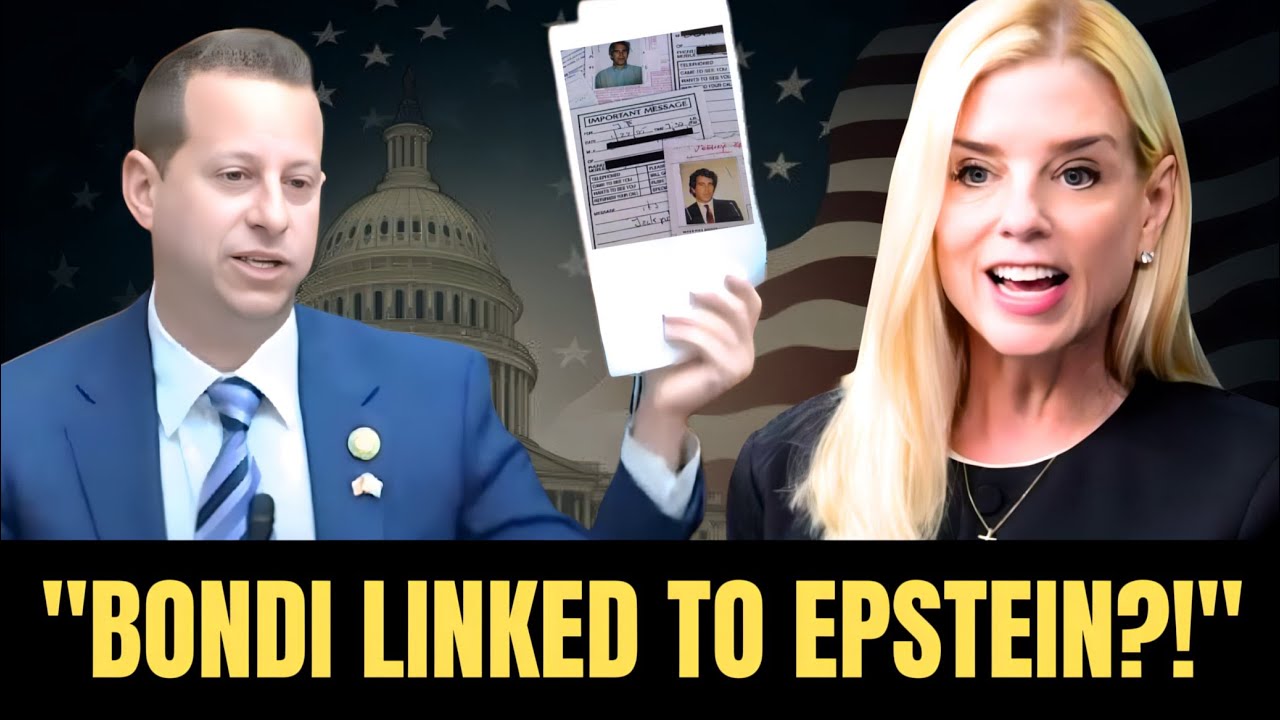
Whenever public pressure reaches a boiling point, a familiar pattern emerges. In this instance, a lawmaker introduced a petition to force the full release of the Epstein records. The DOJ’s response was a masterclass in performative cooperation. They released a massive “document dump” online, which was widely hailed as a win for transparency. However, upon inspection, roughly 97% of the material was already public—consisting of old court filings, recycled exhibits, and outdated press clippings.
It was a distraction tactic, plain and simple. As soon as the public realized the dump was largely smoke and mirrors, a non-binding resolution was introduced to kill the release effort entirely. Perhaps most shocking of all was the administration’s description of the petition itself, calling the attempt to release the records a “hostile act.” This branding suggests a frightening reality: that transparency regarding one of history’s most heinous abuse networks is viewed not as a service to justice, but as a threat to the current power structure.
The Human Cost of Secrecy
Amidst the legislative maneuvering and the political theater, it is easy to forget the real victims of this scandal. For the survivors of Jeffrey Epstein’s network, every delay, every memo claiming the list doesn’t exist, and every politician calling the subject a “hoax” is a form of betrayal. They were promised accountability, but instead, they have been met with silence and procedural excuses.
Secrecy in government is sometimes necessary for national security or the protection of ongoing investigations. However, these justifications lose their weight when they are used to shield enablers rather than protect victims. You can redact the names of survivors while still exposing the names of those who profited from or facilitated the abuse. When the secrecy protects only the powerful, it ceases to be law and becomes an instrument of manipulation.
What Real Oversight Looks Like
The path to the truth doesn’t have to be this complicated. It requires a genuine commitment to accountability rather than a strategy of delay. First, Congress must demand a secure, classified briefing where cleared members can review every unredacted file. This should be accompanied by a clear, transparent chain of custody log to identify exactly who has had access to these records and when.
Second, an independent investigator or special counsel—someone outside the current political orbit—should be appointed to verify that no documents have been destroyed, altered, or hidden. If the government is truly operating with integrity, a transparent audit will prove it. If not, the records will finally speak for themselves.
The Power of Public Vigilance
The American public can handle the facts; what they cannot tolerate is being misled by the institutions tasked with their protection. When the government’s story changes every week, it is a clear signal that someone is still working to protect someone else.
This brings us back to that awkward moment in the hearing. That congressman’s question—”Why is this committee spending so much political capital to keep this list from coming out?”—is one that deserves an immediate answer. It is a question that shouldn’t be delayed until after the next election cycle.
The truth belongs to the people, and history shows that major accountability breakthroughs rarely happen without sustained public pressure. Every time the public turns its attention away, the files stay closed a little longer. Every time outrage fades, the trail grows colder. The reality is that the institutions in power are counting on the public to move on.
But for those who believe that justice should be blind and that no one is above the law, the fight for disclosure must continue. By demanding hearings, supporting survivor-led organizations, and refusing to let this issue fade into the next news cycle, citizens can continue to apply the pressure necessary to force the truth into the open. The paper trail exists, and as history has shown time and again, it is only a matter of time before it is fully revealed—provided the public refuses to look away.
Full video: