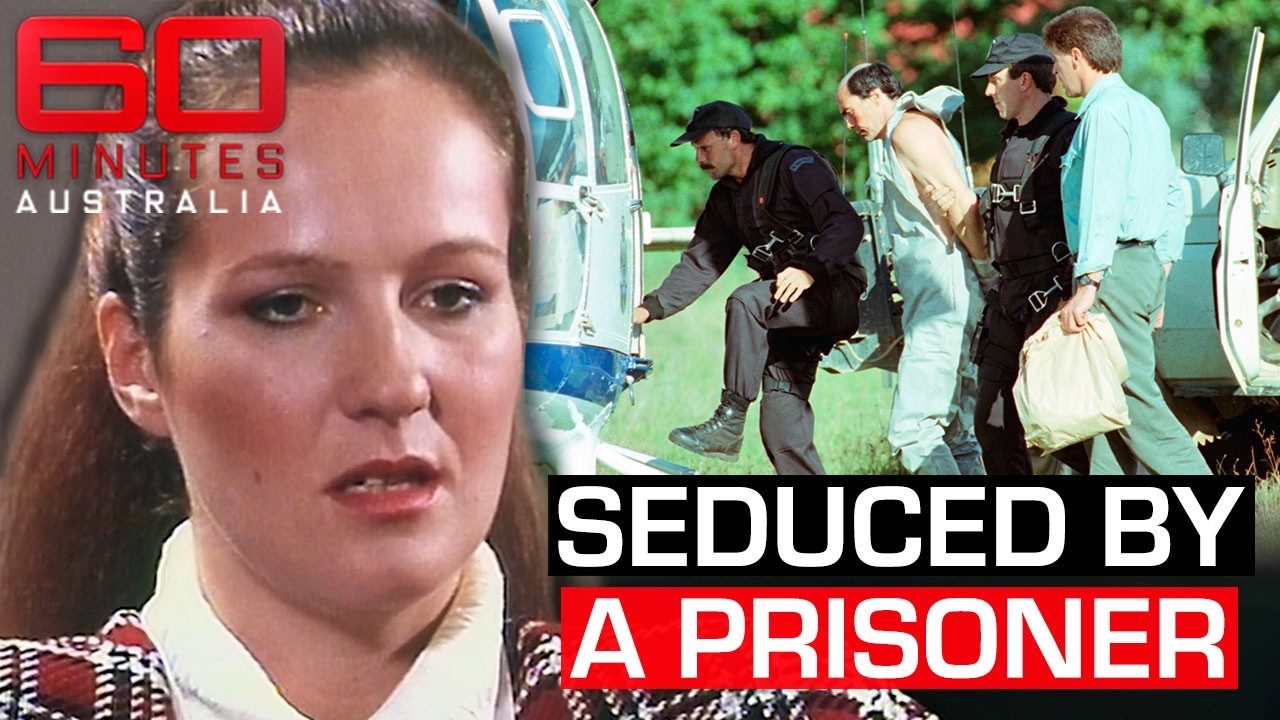
In the early 1990s, the Australian public was captivated—and horrified—by a story that seemed torn from the pages of a gritty crime novel. It was a tale of love in the most unlikely of places, a narrative of betrayal that crossed the thin blue line between law enforcement and the criminal underworld. The protagonists were an unassuming prison officer named Heather Parker and a seasoned, dangerous convict named Peter Gibb. Their story, documented by 60 Minutes Australia, serves as a chilling reminder of how easily the lines between duty and desire can blur, leading to life-altering consequences.
The Unlikely Romance
At 21, Heather Parker was leading a life that appeared to be on the right track. One of six children, she had secured a steady, respectable position as a prison officer at the Melbourne Remand Center . To the outside world, she was a professional upholding the law; inside, however, a darker, more obsessive reality was brewing. Parker began to form an attachment to Peter Gibb, a man with a long history of criminal violence, including armed robberies and a murder conviction that had been reduced to manslaughter .
When asked about what drew her to such a man, Parker’s defense was steadfast and blind to the reality others saw. She described him as “sensitive” and a “very warm person,” qualities she claimed the rest of the world ignored . Her colleagues, however, saw something different: a compromised guard being manipulated by a master criminal. Despite the rumors and the clear professional boundary violations, Parker maintained that the relationship remained non-physical, a claim that would be scrutinised heavily by authorities and the public alike .
The Daring Breakout
The situation escalated from a problematic workplace affair to a full-blown criminal conspiracy. In a meticulously planned event, Gibb, along with fellow prisoner Archie Butley, orchestrated a spectacular breakout from the high-security Melbourne Remand Center . They used smuggled explosives to blast their way out of a second-floor window and descended using bedsheets, a scene that would soon dominate the national news cycle .
Parker’s role in the escape was far from passive. According to investigative reports, she had been in secret communication with the escapees, even going so far as to hire a garage to house the getaway vehicle . While Parker would later claim she was merely “helping a friend” and insisted she did not know the details of the weapons or the violent intentions of the men, the legal system saw it differently . She had become an accomplice to one of the most notorious breakouts in Australian history, trading her badge for a life on the run.
A High-Speed Hunt
The escape was short-lived but violent. The trio embarked on a frantic flight from the law, which included a high-speed car chase and a confrontation that nearly turned fatal for one police officer. When the escapees stole a motorbike at gunpoint, they were pursued by authorities, leading to a shootout where senior constable Warren Trelure was shot and wounded .
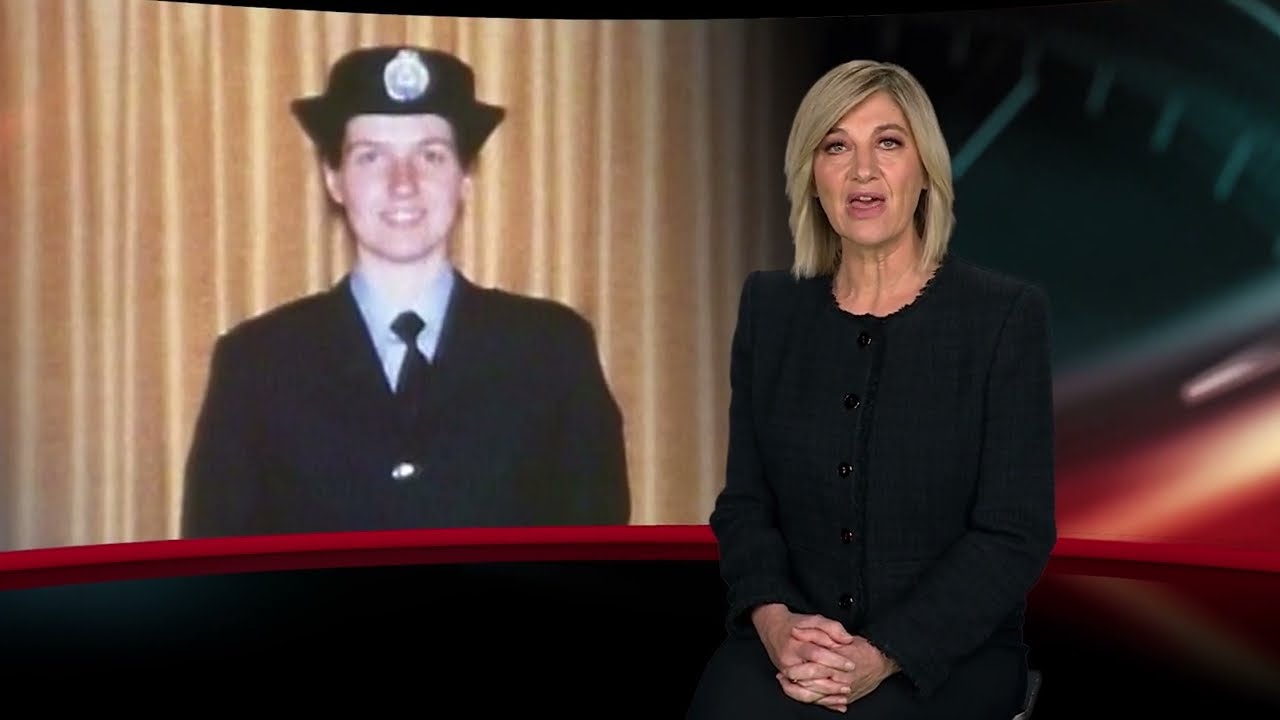
Parker, reflecting on the incident years later, displayed a disturbing detachment from the danger they were inflicting on others. “At the time, I didn’t know,” she claimed, when questioned about the shooting of the police officer . Her tunnel vision, fixated entirely on her commitment to Gibb, seemed to filter out the trauma and harm caused to everyone else. The trio eventually fled to the high country of Victoria, where the harsh reality of their situation began to set in.
The “honeymoon” period was brief. Their hideout, a country hotel, became a temporary refuge until a fire—caused by a faulty electric blanket—forced them to flee, destroying any hope of remaining inconspicuous .
The Violent Conclusion
The end of the road arrived in the bush. As police helicopters and special operations groups closed in, the escapees were cornered. A harrowing shootout ensued between the police and Archie Butley, resulting in Butley’s death . Parker and Gibb were apprehended in the water, their desperate flight terminated by the overwhelming force of the law .
For Parker, the arrest was not the end of her devotion. Even while awaiting trial and serving her sentence in isolation, she remained steadfast in her belief that they were meant to be together. “I’ll wait, I’ll wait no matter how long it takes,” she declared, convinced that her love story would eventually resume . She faced multiple charges, including assisting in an escape and endangering life, and struggled with the harsh treatment she received in prison, where she was viewed as a traitor to the badge .
The Aftermath and Reality Check
The narrative of “Bonnie and Clyde” ultimately collapsed under the weight of reality. After both served their respective sentences, Parker and Gibb were reunited in the free world. However, the fairytale Parker had constructed in her mind failed to materialize. The couple eventually split, and in 2011, Gibb passed away following a violent brawl—a final, tragic chapter for a man whose life had been defined by conflict .
Looking back at the story of Heather Parker, one is left to ponder the fragility of judgment. How does an educated, capable professional find themselves so deeply entrenched in the life of a career criminal that they are willing to burn their own life to the ground? It is a story of tragic obsession, where the allure of the forbidden overpowered the constraints of morality and law. Parker’s journey serves as a sobering reminder that while love can indeed be blind, it can also be a dangerous force when disconnected from reality. Her story, preserved in the archives of history, remains a haunting case study of how easily one can lose their way when they stop seeing the world as it is and begin seeing only what they want to believe.