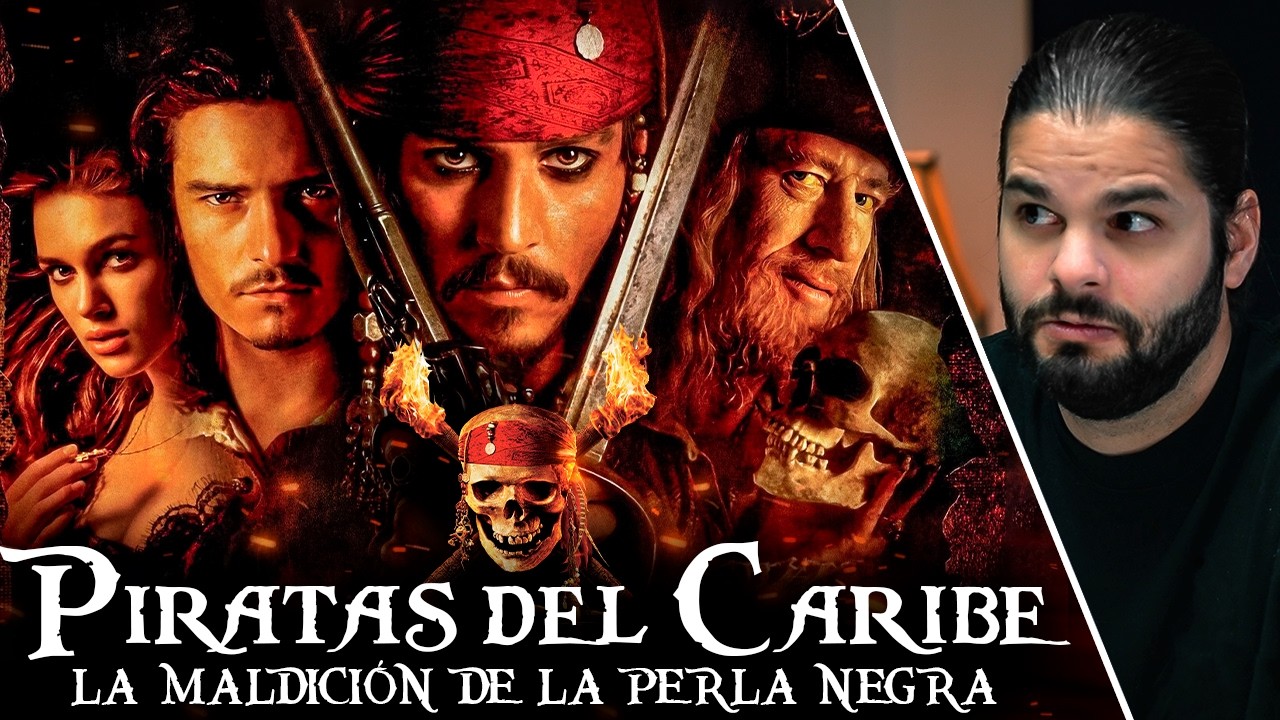
Pirates of the Caribbean: The Curse of the Black Pearl has cemented its place in popular culture as a quintessential adventure film. With its witty dialogue, iconic score, and the unforgettable performance of Johnny Depp as Captain Jack Sparrow, it is a triumph of entertainment. Yet, beneath the cannon fire and the supernatural lore lies a nuanced exploration of morality, societal hypocrisy, and the systemic conditions that create “criminals.”
The Myth of the Hero and the Villain
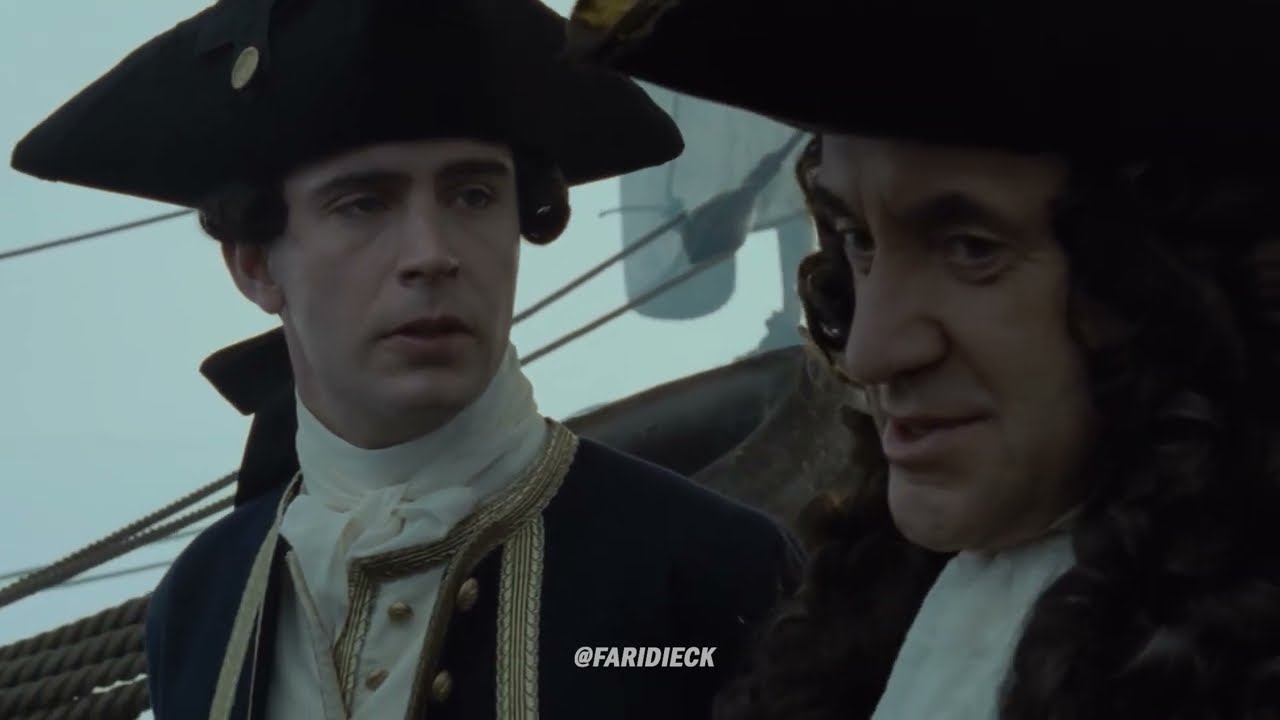
The film masterfully plays with our expectations of who is “good.” Commodore Norrington, the representative of the British Royal Navy, stands for the rule of law, order, and social grace. However, the narrative repeatedly highlights the corruption within his ranks—officers accepting bribes and authorities turning a blind eye to the suffering of those below them.
The pirates, meanwhile, are established as the social “deviants.” According to the prevailing social hegemony of their time, their refusal to adhere to the rules makes them a threat to the established order. Yet, when Elizabeth Swann falls into the sea during a ceremony of high society, it is not the “honorable” navy officers who save her—it is the pirate, Jack Sparrow, who acts. This contrast sets the tone for the entire franchise: adherence to legal frameworks does not equate to adherence to moral principles.
Criminality as a Systemic Symptom
To understand the pirates, one must look at the history of the Golden Age of Piracy. These men and women were not necessarily born as criminals; many were created by the system itself. During the 16th and 17th centuries, many pirates began as “privateers”—sailors licensed by the British Crown to raid Spanish ships. When the political winds shifted and the Crown no longer needed their services, these sailors were discarded, left without work, and forced into poverty.
When a system provides no path for survival for the masses while hoarding wealth at the top, it inadvertently creates its own outlaws. The pirates who fled to the fringes were not just fleeing the law; they were fleeing a structure that had stripped them of their agency. In the film, the “Code” and the egalitarian structure of the pirate ships—where decisions are made collectively and loot is shared—stand in stark contrast to the rigid, exploitative hierarchy of the Navy.
Jack Sparrow: The Autonomy of the Deviant
Jack Sparrow is the ultimate symbol of individual autonomy in an oppressive world. His obsession with his title, “Captain,” is far more than a vanity project; it is a declaration of independence. By being the captain of his own ship, he is the master of his own fate, free from the dictates of monarchs, governors, and naval officers. His dishonesty and trickery, often presented as flaws, are his survival mechanisms. In a world where the authorities are inherently dishonest, Jack’s refusal to hide his true nature makes him, in a perverse way, the most honest character in the film.
A Lesson for Today
The film challenges us to move beyond the simple categorization of “good guys” and “bad guys.” History is often written by the victors, and it is the victors who get to define who is a hero and who is a criminal. By forcing us to sympathize with the outlaws and question the integrity of the authority figures, Pirates of the Caribbean encourages a more critical perspective.
Ultimately, the film teaches us that criminality is often a symptom, not a cause. If we do not understand the systemic reasons why people are driven to the fringes of society, we will never be able to address the root of the problem. Jack Sparrow may be a pirate, but he is a mirror to a society that creates such men and then wonders why they refuse to play by its rules.