Shakira Isabel Mebarak Ripoll’s story is often distilled into headlines about hits, high-profile relationships, and stadium tours. But to view her life through the lens of celebrity is to ignore the profound resilience of a woman who has spent three decades navigating a world that constantly attempted to define her, limit her, or break her. At 48, looking back on a career that started when she was just a 13-year-old in Barranquilla, we find a narrative defined by rejection, reinvention, and an almost superhuman ability to turn tragedy into art.

The Foundation of a Fighter
Shakira’s early path was far from the polished trajectory of a manufactured pop star. Her first two albums, Magia and Peligro, were commercial failures. She faced rejection from her own record label, faced prejudice as a girl from the provinces in a capital-city-centric industry, and was even pressured into modeling gigs she found uncomfortable to gain visibility. Her transition from a failed teen pop singer to the global rock-pop phenomenon of Pies Descalzos (1995) was not luck—it was the result of a girl who refused to be told “no.” She wrote her own songs, found her own sound, and eventually forced the industry to pay attention.
Building an Empire
Shakira’s evolution—from the dark-haired rock princess of the 90s to the blonde, belly-dancing global icon of Laundry Service—was a masterclass in artistic agency. She defied critics who called her a “sell-out” by meticulously translating her own lyrics, ensuring her creative vision remained intact. When the Fijación Oral era arrived, she proved her versatility, winning Grammys in rock, pop, and urban categories. She was not just a singer; she was a curator of her own identity, always borrowing from her Lebanese and Colombian roots to create a sound that felt undeniably hers.
The Fairytale That Fractured
For years, Shakira chased a dream of stability. Her relationship with Gerard Piqué felt, to the public, like the final piece of the puzzle—a successful career, a loving partner, and two sons in Barcelona. But as she would later reveal, she had bought into a “fairytale” that required her to be a dependent partner. When that relationship ended in 2022 amid public infidelity and a chaotic media circus, it wasn’t just a breakup; it was the collapse of an identity she had spent a decade cultivating.
Compounded by her father’s health crises and the predatory nature of a media environment that wouldn’t leave her family alone, she was at a breaking point. But as she famously sang in her Bizarrap session, “women don’t cry anymore, they cash in.”
The Art of Reconstruction
The Bizarrap Session was more than a diss track; it was a reclamation. By turning the most painful moment of her life into a global anthem, Shakira did what she has always done: she transformed her trauma into fuel. She demonstrated that for a woman in her position, “factoring” was not just about money—it was about agency. She had taken back the narrative that others had tried to write for her.
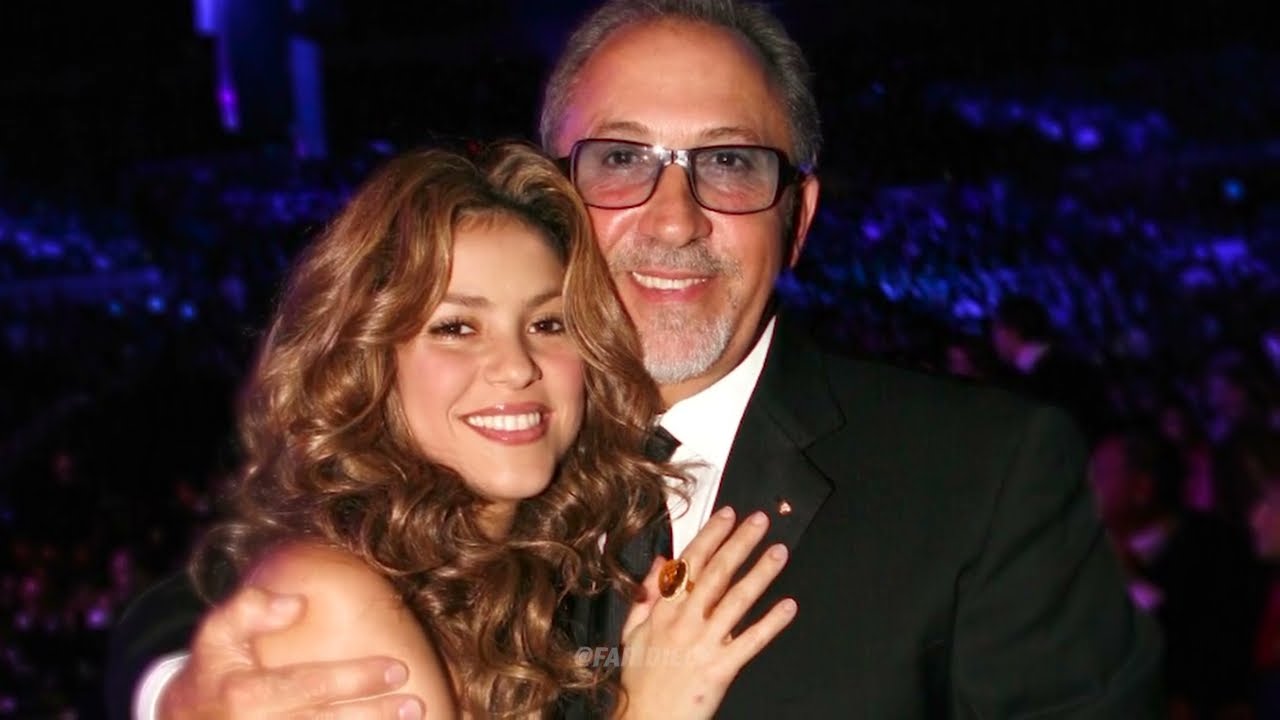
Shakira’s journey is not just a success story; it is a human one. She remains a paradox: a woman who has navigated the heights of global fame while holding onto a deep, often painful vulnerability. From her early days writing poems about her father’s grief to her current status as an icon of empowerment, her work serves as a reminder that the most profound growth doesn’t come from the days when everything goes right—it comes from the moment you decide to pick up the pieces and rebuild, entirely on your own terms.