We instinctively view the stars of cinema and music as untouchable figures. Shielded by immense wealth, global adoration, and the magical illusions of high-definition lenses, Hollywood’s elite seem entirely insulated from the mundane vulnerabilities of everyday human existence. We watch them sprint through death-defying stunts, deliver flawless monologues, and project an aura of eternal youth and vitality. Yet, biology remains the ultimate social equalizer. Behind the red carpets, the multi-million-dollar contracts, and the glittering awards ceremonies lies a profound and sobering truth: the human body
When a progressive or terminal medical diagnosis strikes an A-list celebrity, it triggers a catastrophic shift that reverberates far beyond their personal lives. For these individuals, a health crisis does not just threaten their well-being; it instantly dismantles their primary form of self-expression, halts multi-million-dollar productions, and forces them to confront a quiet, painful exit from the careers they spent lifetimes building. The stories of these iconic figures stepping away from the spotlight present a deeply moving look at human resilience, showing the immense bravery it takes to face life-altering adversity while the entire world watches.
Perhaps no recent retirement has profoundly shaken the global film community more than that of action cinema legend Bruce Willis. For over four decades, Willis stood as the ultimate symbol of cinematic resilience, defining a generation of blockbuster entertainment through his iconic portrayals of everyday heroes who refused to break under pressure. However, behind the scenes of his final movie sets, crew members began noticing subtle, concerning shifts. The actor who once commanded complex scripts with ease was beginning to struggle with remembering lines, experiencing lapses in focus, and displaying inconsistent speech patterns. While initially dismissed by outsiders as simple professional fatigue from an relentless filming schedule, the reality was far more grave. In 2022, his family made the heartbreaking announcement that Willis was officially stepping away from acting due to a diagnosis of aphasia, a neurological condition that severely impairs an individual’s ability to speak, write, and comprehend language.
The tragic narrative darkened further less than a year later when his medical team provided a more precise and devastating diagnosis: frontotemporal dementia. This progressive neurodegenerative disorder aggressively targets the frontal and temporal lobes of the brain, systemically altering a person’s behavior, personality, and cognitive functions without any hope of a cure. The iron man of Hollywood, who spent a career conquering villains with physical prowess and sharp-witted dialogue, was suddenly locked in an unbeatable battle against his own mind. Rather than retreating into absolute secrecy, his family—led by his wife Emma, his ex-wife Demi Moore, and his daughters—chose to use their massive global platform to shine a vital light on frontotemporal dementia, transforming a family tragedy into an international crusade for medical awareness and empathy.
While some stars are forced into public retirement, others choose to spend their remaining strength executing their craft in absolute silence, presenting a masterclass in professional dedication. The world was left in a state of profound shock in 2020 when it was announced that Chadwick Boseman, the boundary-breaking star who brought Marvel’s Black Panther to life, had passed away. What the public did not know was that Boseman had been diagnosed with stage three colon cancer back in 2016. For four years, as he transformed into a global cultural icon and a symbol of pride for millions, Boseman endured countless grueling surgeries and intensive chemotherapy sessions between demanding filming schedules. He walked onto physically punishing movie sets, executed complex martial arts choreography, and completed exhausting international press tours while privately carrying the weight of a terminal diagnosis. He refused to let his illness compromise his art, fighting through agonizing physical exhaustion to ensure his characters were delivered with absolute perfection. His quiet endurance redefined the very concept of a real-life superhero, leaving behind a cinematic legacy that remains completely unblemished by the tragedy of his passing.
The price of a hidden medical battle can also take a devastating toll on mental and emotional stability, as seen in the tragic final chapter of comedic genius Robin Williams. Celebrated universally as one of the most brilliant and empathetic minds in entertainment history, Williams possessed a unique ability to bring pure joy to audiences while hiding an internal breakdown. In the final years of his life, Williams began experiencing an onset of terrifying symptoms, including severe memory lapses, profound paranoia, chronic insomnia, and an inability to process logical thoughts. In 2014, medical professionals erroneously diagnosed him with Parkinson’s disease, a conclusion that failed to explain the rapid, chaotic decay of his cognitive faculties. Tragically, it was only after his heartbreaking suicide later that year that an autopsy revealed the true culprit: advanced Lewy body dementia. This aggressive, poorly understood neurodegenerative disease had systematically flooded his brain with abnormal protein deposits, plunging one of the world’s greatest creative minds into a state of constant, inescapable confusion and terror. His passing sparked a massive, necessary global conversation regarding neurodegenerative awareness and the invisible mental health battles fought by those who smile the brightest.
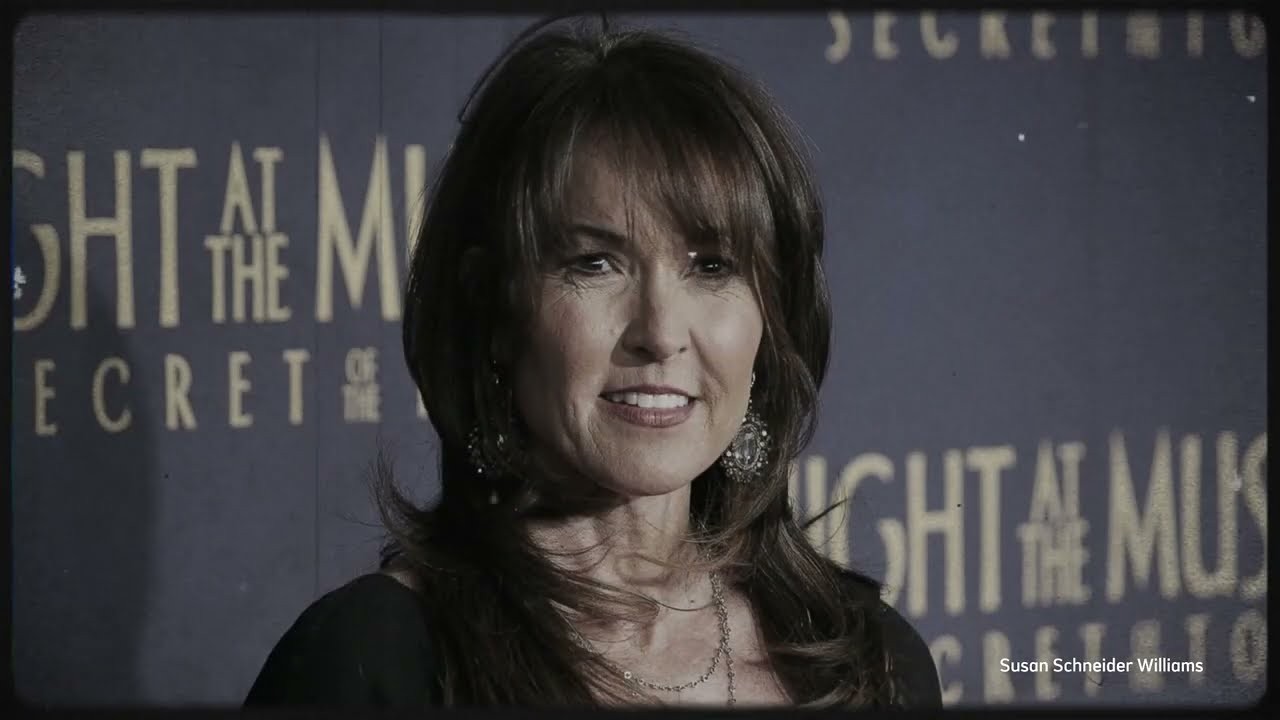
For performing artists, the physical destruction of their primary creative instrument is a uniquely cruel form of loss. Val Kilmer, the intense and hyper-versatile star of the 1990s, faced a devastating diagnosis of throat cancer in 2015. The aggressive medical treatments required to save his life, including an intensive tracheotomy, left his vocal cords permanently damaged, reducing his once-booming voice to a faint, raspy whisper. For an actor whose career was built on vocal intensity, the loss was seemingly absolute. Yet, Kilmer refused to let his physical limitations dictate the end of his creative journey. In 2021, he captured the hearts of audiences worldwide by returning to the screen in Top Gun: Maverick. Through an innovative partnership with advanced artificial intelligence technology, engineers digitally reconstructed his historic voice, allowing him to deliver an emotionally raw performance that mirrored his real-life battle with profound dignity. Similarly, musical powerhouse Linda Ronstadt, possessor of one of the most pristine and versatile voices in American music history, was forced into absolute retirement when she began losing motor control over her vocal functions. Her subsequent diagnosis of Parkinson’s disease stripped her of her ability to sing a single note, forcing her to find solace in writing and advocacy, proving that an artist’s spirit can endure long after their physical instrument has faded.
The battle against progressive neurological conditions has also found powerful, resilient voices among Hollywood’s leading women. Christina Applegate, a beloved fixture of television comedy, received a life-altering diagnosis of Multiple Sclerosis in 2021 while actively filming the final season of her acclaimed series Dead to Me. Instead of halting production, Applegate demonstrated immense fortitude, utilizing walking canes, wheelchair assistance, and the fierce support of her crew to push through the intense physical fatigue and mobility loss caused by the autoimmune disorder to finish her performance for her fans.
Her journey mirrors that of Selma Blair, who has documented her own aggressive battle with Multiple Sclerosis since 2018 with absolute, unfiltered transparency. By publicly broadcasting her struggles with severe speech impediments, muscle spasms, and experimental stem-cell therapies, Blair has demystified a terrifying illness, offering a beacon of hope and solidarity to millions of individuals suffering from chronic conditions worldwide.
Ultimately, these profound health crises remind us that stardom is merely a temporary social construct, while the vulnerabilities of the human body are absolute. Whether it was Michael J. Fox transforming his early-onset Parkinson’s diagnosis at the age of twenty-nine into a historic, multi-million-dollar research foundation, or legendary talents like Gene Wilder, Raúl Juliá, and Bernie Mac maintaining their artistic passions until their final breaths, these icons demonstrate that true greatness is not measured by box office success. It is measured by the grace, dignity, and resilience with which an individual faces the darkest chapters of human reality. When the spotlight eventually fades and the cameras are put away, it is not the manufactured perfection that we remember, but the enduring strength of the human spirit.