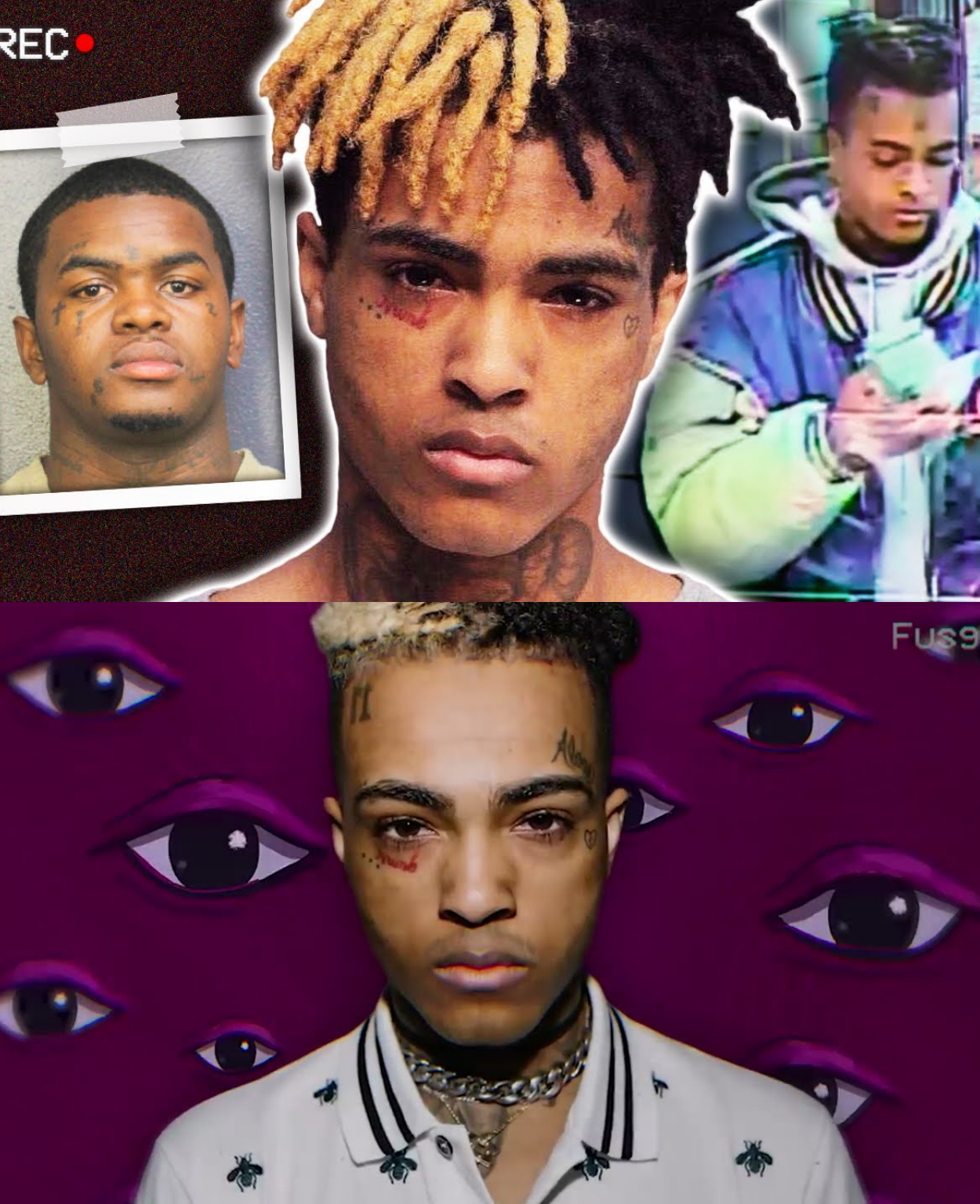
In the brief, explosive trajectory of Jahseh Onfroy—the artist globally recognized as XXXTENTACION—the boundaries between fame, trauma, and tragedy were almost non-existent. At the time of his death in 2018, he was a defining voice of his generation, a SoundCloud prodigy whose music channeled the raw, unfiltered pain of a youth spent in the shadows. Yet, beneath the platinum records and the massive online following lay a narrative of systemic neglect, unhealed trauma, and a violence that ultimately pursued him to a motorcycle shop parking lot in Deerfield Beach, Florida.
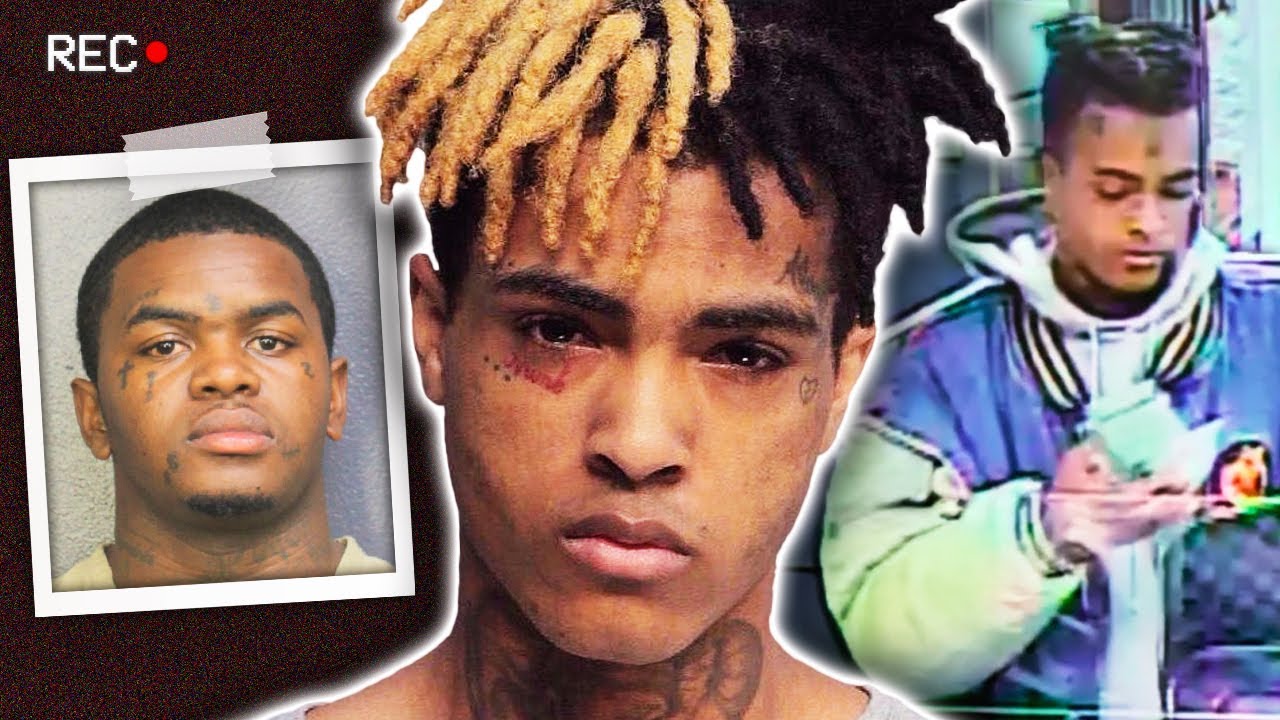
Born on January 23, 1998, in Plantation, Florida, Jahseh’s early life was defined by instability rather than affection. His father, Dwayne Onfroy, was often entangled in the criminal underworld, and his mother, Cleopatra, was barely out of her teens when he was born. As his parents separated and their financial situations crumbled, Jahseh became a product of the system, passed between relatives and eventually left to fend for himself in dangerous environments. The emotional scars were deep; he famously witnessed his uncle’s suicide as a child, an image that haunted him long into his adulthood. His path, already fraught with instability, was complicated by untreated mental health issues, including a diagnosis of bipolar disorder that his family ultimately chose not to treat with medication.
By the time he entered his mid-teens, Jahseh was already navigating a volatile existence. Expelled from school and cycled through juvenile detention centers, he found solace—and his eventual calling—in music. It was during his time in detention that he met Ski Mask the Slump God, a friendship that would become the foundation of his career. Together, they began to channel their frustrations into music, leveraging the anonymity and reach of SoundCloud.
His breakout hit, “Look at Me!,” became a viral sensation, but its popularity exploded while Jahseh was sitting behind bars for burglary and other charges. He emerged into a world where he was suddenly a superstar, yet his habits and violent impulses remained largely unchanged. His career became defined by this duality: the passionate, vulnerable artist who spoke openly about depression and the aggressive, volatile man involved in a string of violent public altercations.
His relationship with Geneva Ayala became the flashpoint for his legal troubles, characterized by cycles of alleged abuse, intense toxicity, and mutual resentment. The public scrutiny was immense, and Jahseh’s attempts to justify or dismiss these behaviors only fueled the backlash. However, in late 2017, a shift occurred. He underwent a physical and thematic transformation—shaving his eyebrows, tattooing a tree on his forehead, and preaching a message of positivity and charity. Whether this was a genuine attempt at redemption or a calculated PR move remains a subject of intense debate among his followers, but it undeniably marked a period where he sought to use his platform to support marginalized communities.
On June 18, 2018, that transition was abruptly ended. Despite his fame, Jahseh maintained a stubborn refusal to hire security, often dismissing them as unnecessary or detrimental to his “real” image. He was ambushed while leaving Riva Motorsports by four men—Dedrick Williams, Robert Allen, Michael Boatwright, and Trayvon Newsome. The robbery was, in many ways, an act of blind greed; the assailants had been scouting for targets when they identified the superstar in his BMW i8, oblivious to the fact that he was essentially unprotected. A brief, 27-second struggle ensued before Michael Boatwright fired the fatal shot that claimed his life.
The aftermath was a whirlwind of swift justice and bitter, long-running exploitation. The four perpetrators were apprehended and subsequently faced trial. In 2023, the judicial process concluded, resulting in life sentences for three of the attackers, while Robert Allen—who had turned state’s witness—received a reduced sentence.
Yet, even in death, Jahseh Onfroy has found no peace. His catalogue has been the subject of what many fans and critics view as egregious exploitation. Since his passing, dozens of “new” songs have been released, many of which appear to be discarded voice memos or unfinished verses stitched together with guest artists he never actually worked with. These posthumous releases, often driven by record labels seeking to monetize his massive cultural footprint, have drawn sharp criticism for diluting the artistic integrity of his original work.
Compounding this is the ongoing legal drama surrounding his estate. Battles between his mother, Cleopatra Bernard, and other family members and legal entities over royalties and the distribution of his multi-million dollar assets have turned his legacy into a courtroom spectacle.
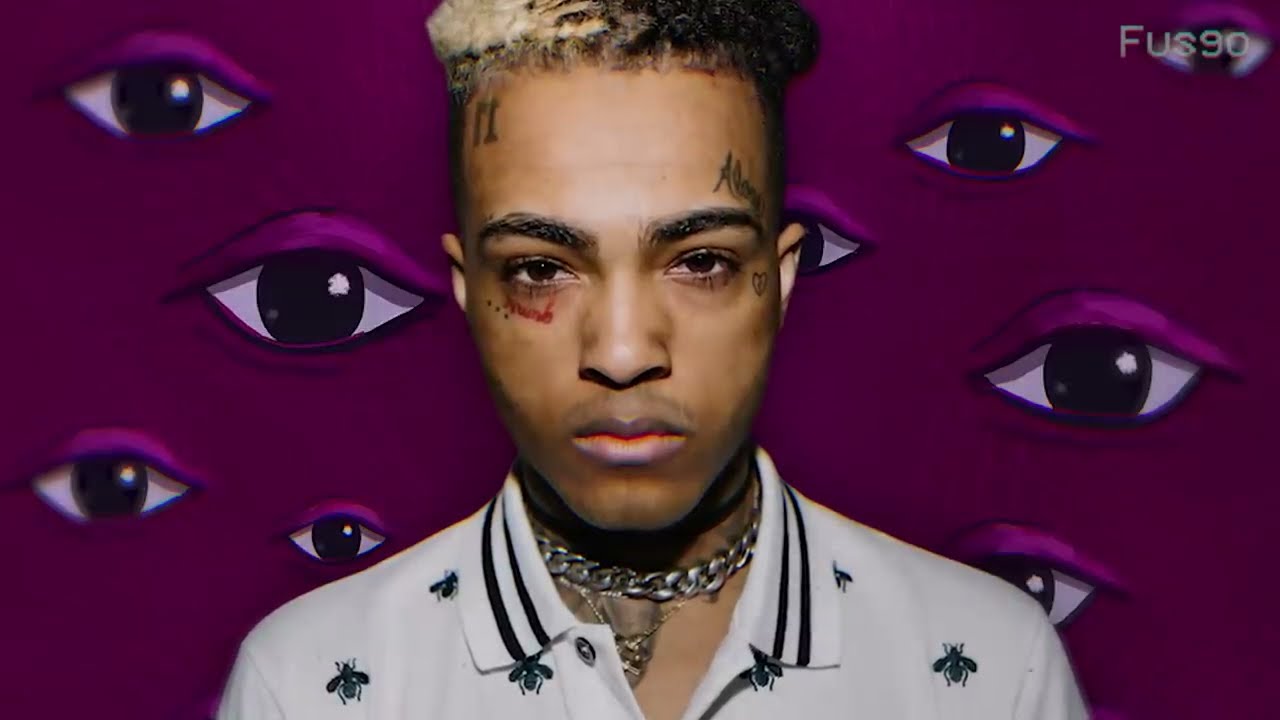
Ultimately, the story of XXXTENTACION is a cautionary tale of how the machinery of fame can simultaneously propel and destroy a troubled soul. He left behind a complicated legacy: a man who gave hope to millions through his music while failing to conquer the darkness within himself. In the end, the artist who sang about the “world leaving him behind” was taken by the very streets he sought to escape, leaving behind a complex, fragmented body of work that continues to spark debate, discord, and fascination to this day.