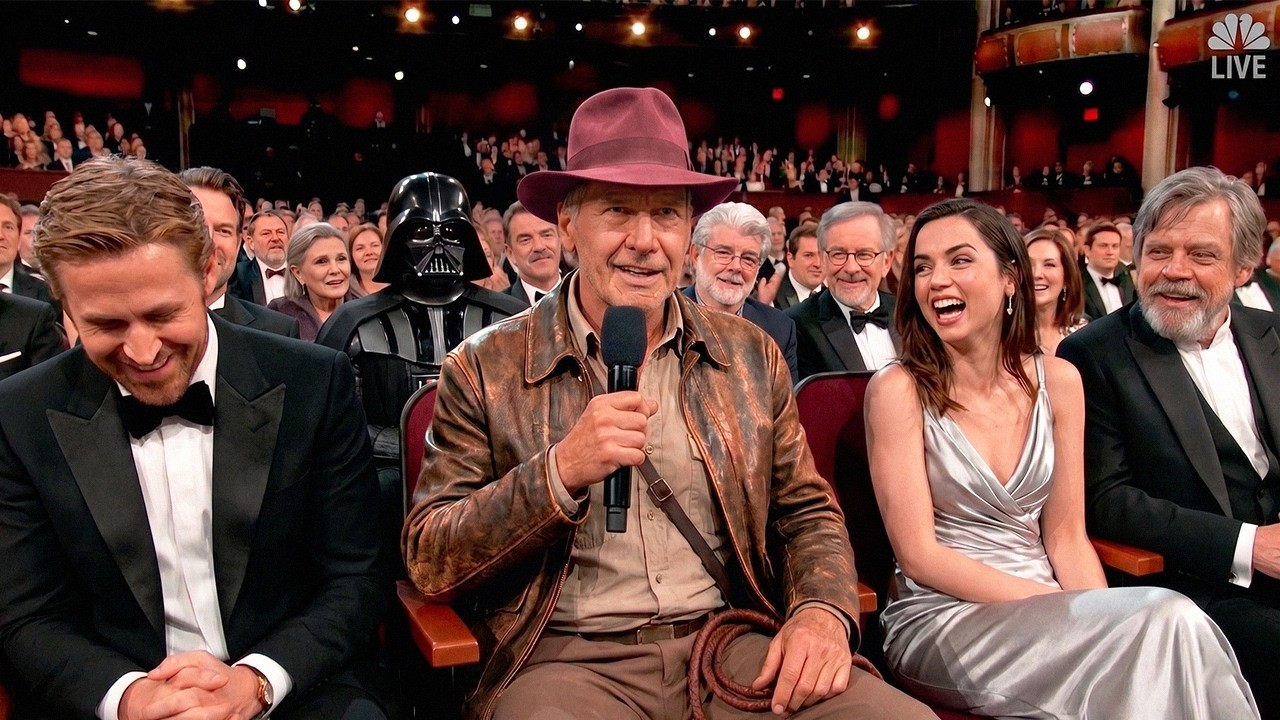
In an industry built on polish, media training, and the carefully crafted art of the “celebrity persona,” Harrison Ford stands as a massive, immovable object of authenticity. He is the man who played Han Solo, Indiana Jones, and Rick Deckard—roles that define the very concept of the modern movie hero. Yet, in person, he is the polar opposite of the glossy, PR-friendly star. He is Harrison Ford: grumpy, dry-witted, and possessing a zero-filter policy that has turned his press junkets into the stuff of internet legend.
The Anti-Celebrity
Most actors spend their lives trying to convince the public that they are “blessed” to be part of the “magic” of filmmaking. Ford, conversely, approaches his career with the weariness of a man working jury duty. When asked about his iconic roles or the pressure of rebooting major franchises, he often responds with a blunt, “I got paid.” It is this refusal to romanticize his work that makes him so refreshing. While his peers offer rehearsed soundbites about “artistic vision” and “the process,” Ford offers the truth: it’s a job, and he’s happy to collect the paycheck.
This perspective is not cynicism; it is a profound lack of patience for nonsense. Ford has been on the world stage for nearly five decades, and he has long since lost the appetite for the industry’s vanity. Whether he is awkwardly handling a question about his “master plan” or deadpanning that he doesn’t keep his iconic props because he doesn’t want “that crap around his house,” he consistently dismantles the pedestal the public tries to put him on.
The Master of Deadpan
If there is one thing Ford has mastered in his later years, it is the art of the deadpan delivery. He can drop the most savage, biting line in a room without raising his voice or altering his expression by a single millimeter. It is a gift that makes his interactions with co-stars and interviewers unintentionally hilarious.
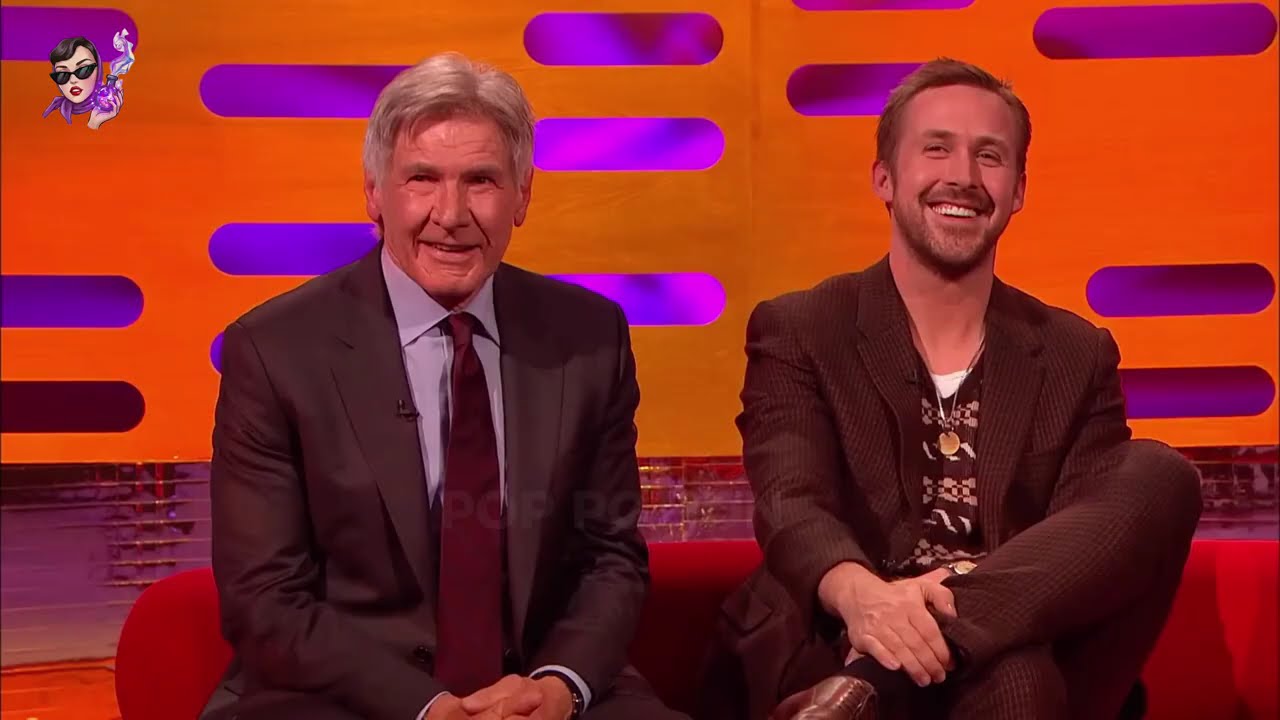
The bond he shares with Ryan Gosling is the perfect case study. Their chemistry, characterized by a mix of genuine affection and bickering, highlights the 40-year age gap in a way that feels natural rather than forced. Ford’s teasing of Gosling—about everything from his acting choices to his ability to follow fight choreography—is peak Ford: dry, persistent, and impeccably timed. He doesn’t need to be the loudest person in the room to be the funniest; he just needs to be the most honest.
The “Grumpy” Misconception
There is a long-standing image of “Grumpy Harrison Ford” circulating in the media. But as those who work closely with him have often noted, this “grumpiness” is simply a boundary. Ford doesn’t hate his fans or the people he works with; he hates being asked the same shallow questions for the ten-thousandth time. He treats the press with the same no-nonsense attitude he brings to his characters. If you ask a real question, you get a real answer. If you ask a foolish question, you get the treatment you deserve.
His legendary encounter with magician David Blaine remains a highlight of this philosophy. When Blaine performed a mind-bending trick that genuinely defied explanation, Ford’s immediate reaction—a mixture of awe and defensive dismissal—felt completely human. He didn’t try to hide his confusion; he told the magician to “get the fuck out of his house.” It was the ultimate compliment, delivered with the blunt force of a man who values reality over spectacle.
An Enduring Legacy
Harrison Ford’s longevity in Hollywood is not due to his ability to play the game, but his willingness to be himself despite it. He has become a master of his own public image by refusing to cultivate one. Fans love him because he is the rare star who seems entirely unconcerned with being loved.
In his final turns as Indiana Jones and Han Solo, the mask finally slipped just enough to show the emotion he spent years keeping under wraps. Seeing him fight back tears while saying goodbye to Indy was a rare, poignant moment that only hit as hard as it did because we know how rare it is for him to show vulnerability. He remains the coolest person in history not because he tries to be, but because he doesn’t care whether you think he’s cool at all. And that, ultimately, is the master plan.