Imagine being the brilliant architect of an absolute gold mine, only to have the keys to your very own creation violently snatched from your hands right at the glorious peak of your success. This scenario might sound like the dramatic plot of a Hollywood suspense thriller, but it is the harsh, unfiltered reality that defined the incredible career of Marlon Wayans. Too often reduced by the media and casual audiences to the simple label of being the goofy youngest brother of a legendary comedy dynasty, Marlon is actually the complex protagonist of one of the most unusual, frustrating, and ultimately triumphant trajectories in the entire entertainment industry. His journey is not just a standard tale of fame and fortune; it is a fascinating, constant dual struggle between unparalleled creative genius, commercial excess, and the ruthless corporate politics that threaten to destroy true artistry.
To properly understand the intricate nature of Marlon Wayans, one must transport themselves back to the unforgiving concrete landscape of the Fulton housing projects in the Chelsea neighborhood of Manhattan during the turbulent 1970s and 1980s. This was not the heavily gentrified, affluent, and artistic district that modern tourists know today. It was an intimidating environment composed of gray cement, deafening noise, and an asphyxiating level of social pressure. Inside a cramped public housing apartment, the ten Wayans siblings grew up under incredibly strict conditions. Born in 1972, Marlon was the youngest of the pack, arriving in a world that offered absolutely zero privileges. His father, Howell, worked tirelessly as a supermarket manager, while his mother, Elvira, was a dedicated social worker. They were a devoutly religious family, which imposed a rigid, conservative structure inside their home. Meanwhile, just outside their front door, the devastating crack epidemic and rampant street violence were rapidly transforming New York City into a deeply hostile and dangerous battleground.
This extreme duality permanently marked Marlon’s psyche from a very early age. He experienced almost military-level discipline indoors and absolute, unpredictable chaos out on the streets. Being the youngest sibling in the massive Wayans household did not mean he was coddled or spoiled; it meant he had to be the absolute fastest to learn how to defend himself. While his older brothers, specifically Keenen and Damon, were already out in the world forging a creative comedy empire, Marlon was still navigating elementary school. The family dining table was not just a place to eat meals; it was a brutal, high-stakes training ground. In the Wayans family, if you were not hilarious, nobody bothered to listen to you. Humor was never viewed as a mere hobby; it was a highly competitive sport. Marlon quickly discovered that his incredible capacity for wild physical gesticulation and facial transformation was a special, potent tool. In a tough neighborhood where any sign of weakness could be instantly exploited by predators, he successfully weaponized comedy to disarm tense and dangerous situations.
Beneath his goofy exterior, Marlon harbored a profound sensitivity and a fierce artistic ambition that eventually led him to the prestigious Fiorello H. LaGuardia High School of Music & Art and Performing Arts. This transition marked a fundamental breaking point in his life. During the mornings, he studied complex dramatic techniques and physical expression alongside the children of New York’s artistic elite. By the late afternoon, he was forced to return to the rough Chelsea projects, where he had to completely hide his sophisticated academic training just to maintain his vital street credibility. This daily collision of vastly different worlds granted him a truly unique versatility. He seamlessly blended the refined technique of a conservatory-trained actor with the undeniable, raw grit of the asphalt.
Following a brief stint at Howard University, the irresistible call of the booming family business pulled him away from his formal studies. His older brother Keenen was in the process of completely revolutionizing American television with the groundbreaking sketch show “In Living Color,” a bold declaration of intent that directly challenged the long-standing cultural hegemony of “Saturday Night Live.” Marlon, at just eighteen years old, entered the show during its final seasons, bringing a chaotic, hyperactive physical energy that clearly distinguished him from his older siblings. This momentum naturally led to the creation of “The Wayans Bros.” sitcom in 1995, where Marlon and his brother Shawn perfected a highly exaggerated style of comedy that the traditional Hollywood industry began to view with a confusing mixture of blatant envy and quiet disdain.
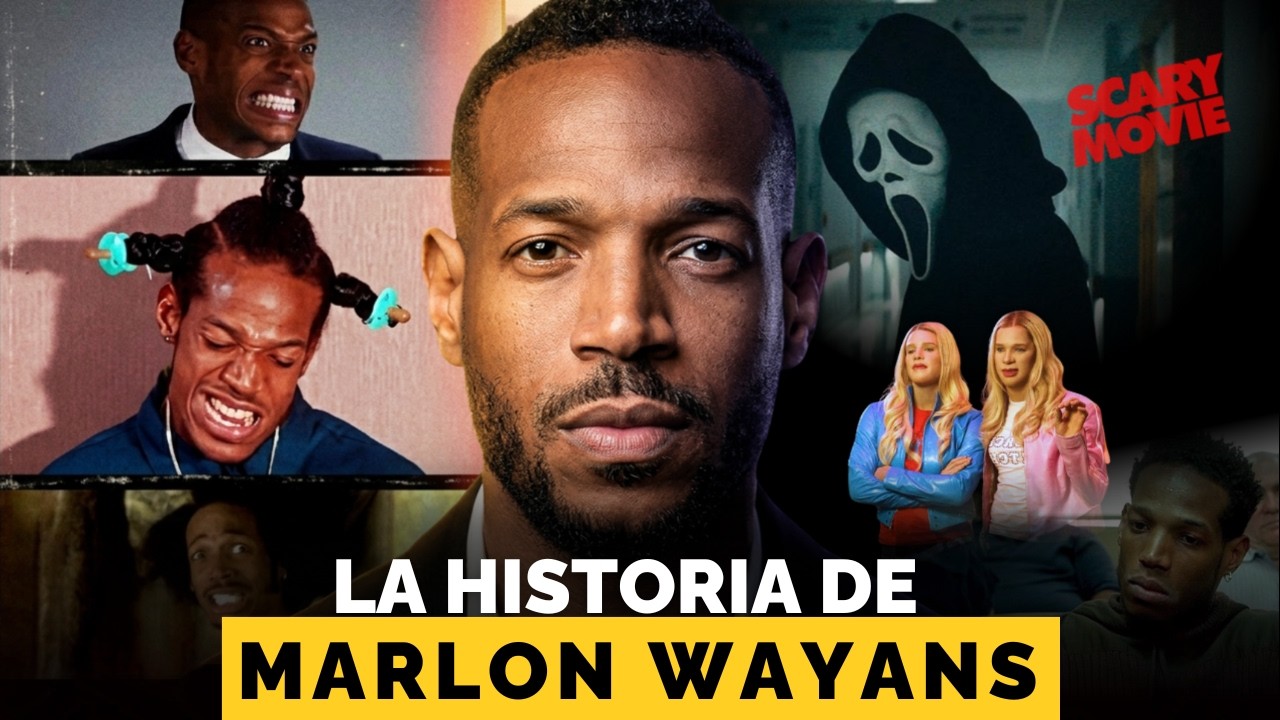
In the year 2000, Marlon and Shawn executed a brilliant idea that would completely shake the very foundations of Hollywood. They decided to hilariously spoof the massively popular teen horror genre. The resulting film, “Scary Movie,” was a global phenomenon. Produced on a relatively modest budget of $19 million, the movie grossed an absolutely staggering $278 million worldwide. Marlon did not just write and produce the blockbuster; his legendary performance as Shorty became an instant cultural icon. Practically overnight, the Wayans brothers had built one of the most profitable film franchises in modern cinematic history.
However, lurking just behind those millions of dollars was one of the most notorious and heartbreaking corporate betrayals ever witnessed in the industry. The film was distributed by Dimension Films, a division of Miramax controlled by the notoriously aggressive and ruthless Weinstein brothers. As plans for a highly anticipated third installment began, the relationship between the Wayans family and the greedy studio quickly turned toxic. Marlon and Shawn rightfully demanded to maintain complete creative control and receive a fair, proportional share of the massive profits for the universe they had invented from thin air. The studio’s response was a cold, calculated, and hostile legal maneuver. Exploiting tiny loopholes in their original contracts, the Weinsteins aggressively fired the creators from their own franchise. Marlon had to endure the devastating pain of watching other directors and actors profit heavily from a cinematic universe that was born directly from his mind.
This traumatizing period deeply scarred Marlon, exposing him to the darkest, most disloyal side of the Hollywood machine. Yet, in that exact same year, he delivered what is arguably one of the most remarkable dramatic performances of his entire career. He starred in Darren Aronofsky’s dark, psychological masterpiece “Requiem for a Dream.” Playing the role of Tyrone C. Love, a desperate man tragically trapped in a downward spiral of severe drug addiction, Marlon completely stripped away his comedic persona. The critics were absolutely blown away, praising his work as a profound revelation. But despite the unanimous critical acclaim, the Hollywood award system completely ignored him. The arrogant studio executives simply refused to accept that the funny guy from “Scary Movie” could also be a top-tier dramatic actor.
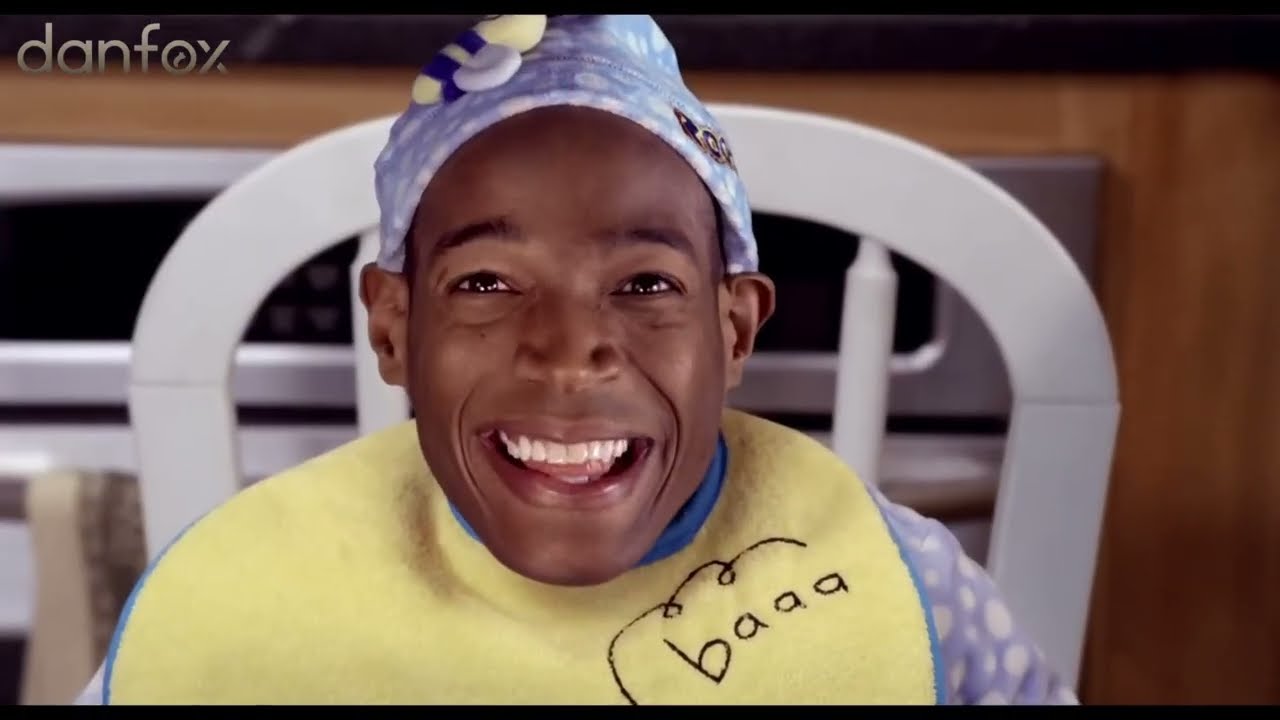
Feeling deeply rejected by the serious dramatic establishment, a defensive Marlon retreated back to the incredibly lucrative world of big-budget absurd comedy. He co-created highly polarizing hits like “White Chicks” and “Little Man.” Even though elite critics viciously destroyed these movies in their reviews, the general public completely adored them, turning them into massive box office successes and enduring cultural classics, particularly within the Latin American and Black communities. While this strategy provided him with immense financial independence, it also trapped him in a golden cage, permanently associating his face with extreme physical comedy and making it nearly impossible for him to be taken seriously as a leading man in Hollywood.
It took the heartbreaking loss of his beloved parents and the natural maturity of raising his own children to finally push Marlon to expose his true, vulnerable self. Stepping onto the stand-up comedy stage without any silly costumes or fake makeup, he spoke with brutal honesty about his immense grief, the heavy pressure of his famous last name, and the dark shadows of his career. This raw emotional exposure caught the attention of elite directors once again, leading to an unexpected and highly praised acting renaissance in prestigious films like “On the Rocks,” “Air,” and “Respect.”
Now, after more than two decades of painful professional estrangement, Marlon Wayans is finally returning to the franchise where he was so ruthlessly betrayed. With the Weinstein brothers permanently removed from power and a new executive leadership team recognizing the undeniable value of the original creators, Marlon is stepping back into the world of “Scary Movie.” For him, this highly anticipated return is not a desperate surrender or a simple cash grab; it is a massive strategic victory. He is returning not as the naive young actor who was taken advantage of, but as a seasoned, wealthy veteran reclaiming the artistic child that was stolen from him so long ago.