In the tranquil landscape of New Zealand’s North Island, the Lake Alice Psychiatric Hospital stood as a grim landmark of the 1970s. While intended to treat the mentally ill, the hospital’s adolescent unit became a theater of systematic abuse and psychological terror. Under the regime of psychiatrist Dr. Selwyn Leaks, dozens of children—many of whom were simply wards of the state with no mental illness—were treated as disposable test subjects. The horrifying reality of Lake Alice was a calculated campaign of pain, where electroconvulsive therapy (ECT) was used not as a treatment, but as a weapon of coercion and punishment.
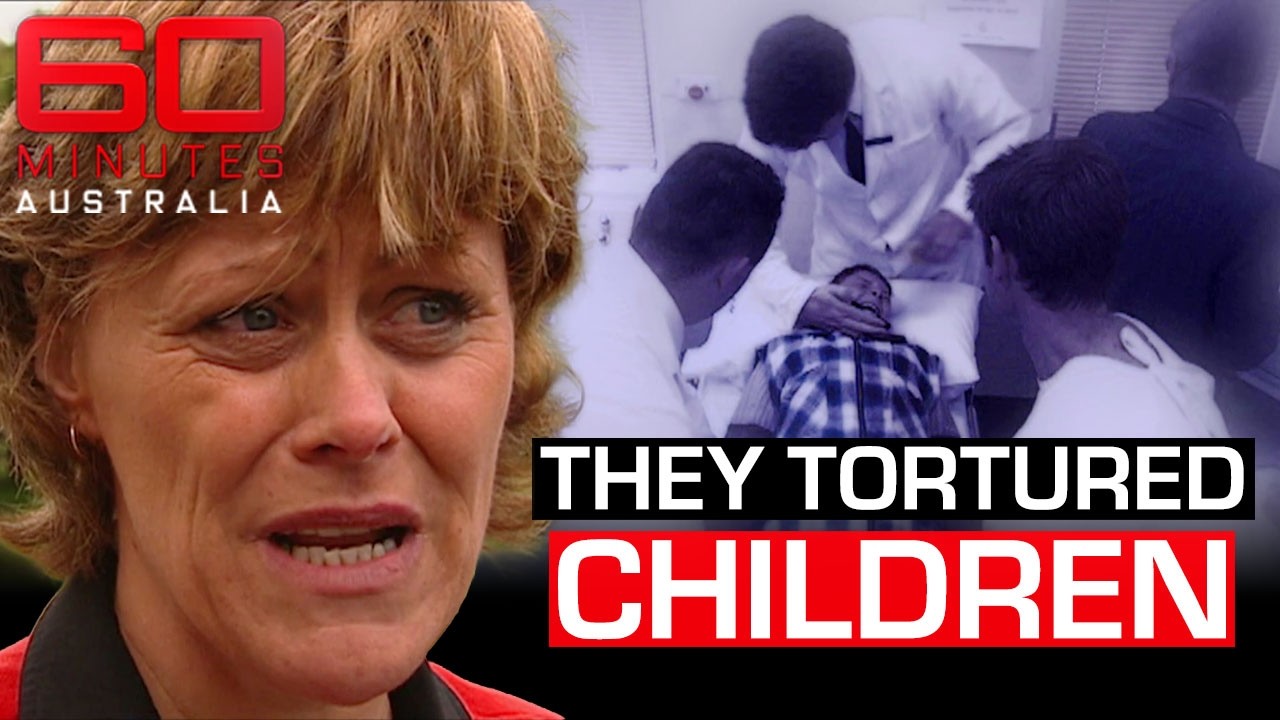
For survivors like Debbie Bell and Brian Nickel, who were sent to Lake Alice as rebellious teenagers, the experience was a descent into a living hell. They describe a environment where fear was the primary tool of control. “Saturday punishment days” were the most feared; children were chosen at random to be dragged—not walked—up the stairs to be subjected to ECT without any anesthetic or muscle relaxants. The agony of these sessions, which left victims convulsing in excruciating pain, was designed to break their spirits. For many, these memories remain an open wound, decades after the unit was shuttered.
The abuses went far beyond shock therapy. Staff, acting under Leaks’s direct authority, administered powerful, painful sedative injections such as paraldehyde as punishment for minor infractions, like failing to make a bed properly or “talking back.” The facility’s cruelty reached its zenith in the maximum-security wing, where children were subjected to solitary confinement or, in a truly appalling instance, locked in cages with deranged adult patients. Survivor Kerry Joel, who was caged at age 12 for the “crime” of running away, recalls the petrifying experience of sharing a pen with an individual who exhibited violent and psychotic behavior.
Despite the horrific nature of these events, Dr. Selwyn Leaks remained remarkably untouchable for decades. When confronted by investigators and the media, he maintained a chilling composure, defending his practices as “effective” and “life-saving.” He continued to practice psychiatry in Australia long after the unit closed, even maintaining his membership in prestigious professional medical colleges. The failure of these regulatory bodies to investigate the allegations for years left the victims feeling abandoned and betrayed by the very systems meant to protect them.
The battle for recognition was long and arduous. It took three separate government inquiries and over thirty years of relentless campaigning by the survivors to secure any form of justice. In 2001, the New Zealand government finally acknowledged the systemic abuse, paying out $6.5 million in compensation to nearly 100 victims. However, for the survivors, the money could never provide true restitution for the stolen childhoods and the profound psychological damage that persists to this day.
The search for legal accountability proved even more elusive. While New Zealand police eventually uncovered sufficient evidence of Leaks’s criminal wrongdoing in 2021, the man at the center of the atrocities was deemed medically unfit to stand trial. He passed away in 2022, never having to face a courtroom for the systematic torture of the children in his care.
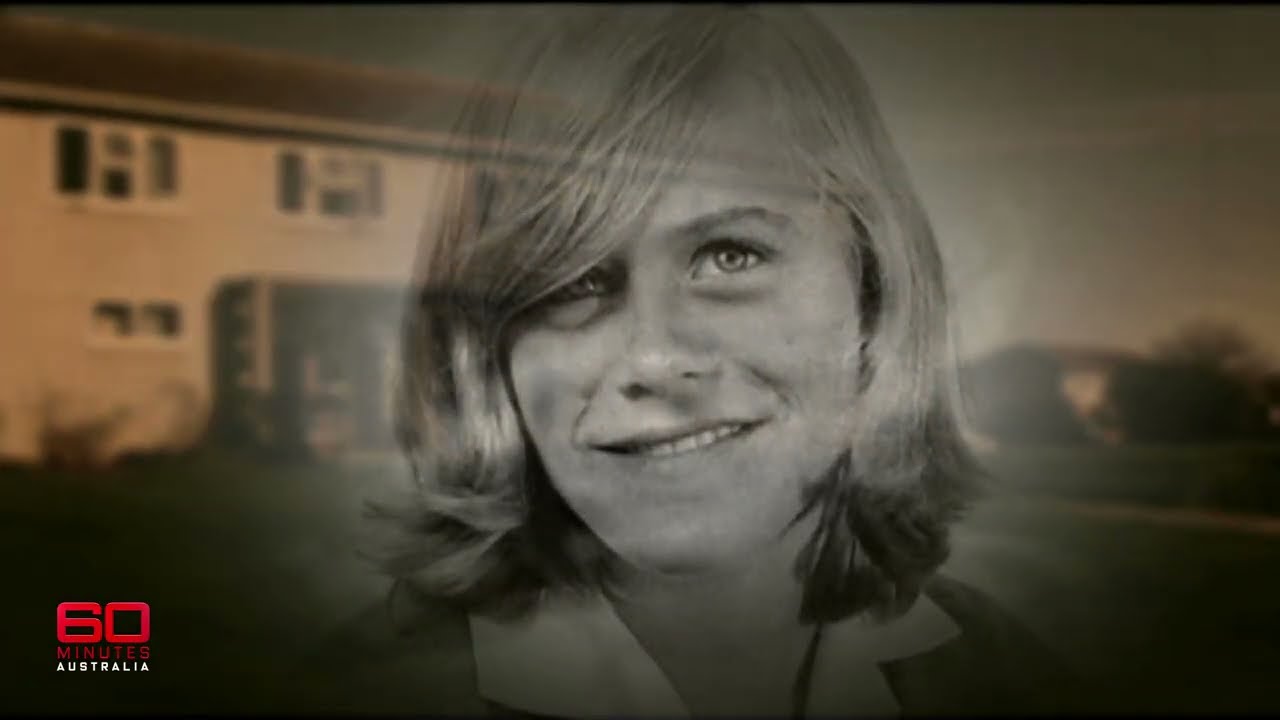
The story of Lake Alice serves as a harrowing indictment of institutional neglect and the abuse of power. It exposes how easily the vulnerable can be dehumanized when accountability is absent. As we reflect on the legacy of Dr. Selwyn Leaks and the suffering of his victims, it is a stark reminder that medicine, when stripped of ethics and empathy, can become an instrument of profound evil. For the survivors of Lake Alice, the struggle continues—not just to remember, but to ensure that the silence that once protected their tormentors is replaced by a permanent, resounding commitment to never allow such atrocities to occur again.