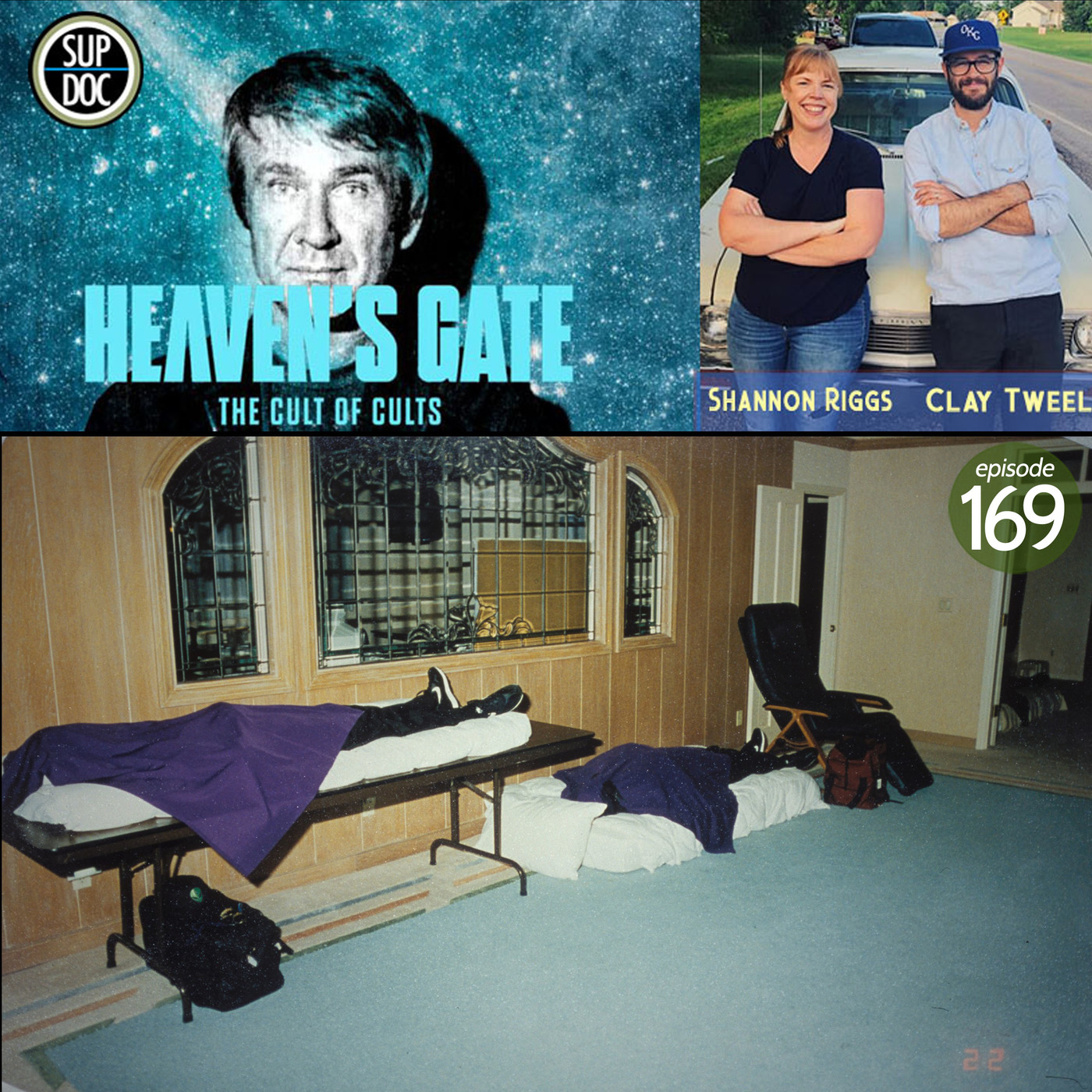
On a quiet, sunny day in March 1997, the San Diego County Sheriff’s Department entered a sprawling mansion in the upscale Rancho Santa Fe area of California. What they found inside would shock the world and etch the name “Heaven’s Gate” permanently into the lexicon of American tragedy. Thirty-nine individuals were discovered dead, all dressed in identical uniforms, their bodies arranged with eerie precision, all wearing the same model of Nike shoes. It was not a violent crime in the conventional sense, but a calculated, voluntary mass exit led by a man who had convinced them that the only way to reach “The Next Level” was to leave their human vessels behind.
The Unlikely Prophet
The architect of this catastrophe was Marshall Applewhite, born in 1931 in Spur, Texas. To his early peers, he seemed destined for a life of conventional achievement. The son of a Presbyterian minister, Applewhite was charismatic, musical, and highly intelligent. Throughout the 1950s and 60s, he pursued a career in performing arts, moving to New York with dreams of Broadway, and later working as a music professor. However, his professional ambitions were consistently met with disappointment, and his personal life was marked by internal conflicts regarding his sexuality and a deepening sense of dissatisfaction.
By the early 1970s, after the dissolution of his marriage and his departure from academia, Applewhite was, by his own account, adrift. It was in 1972, while hospitalized in Houston, that he met Bonnie Nettles, a nurse with a deep interest in astrology and biblical prophecy. For Applewhite, this meeting was the catalyst he had been searching for. He believed Nettles was the key to unlocking a divine purpose he had felt his whole life. Their connection was immediate, intense, and strictly platonic—a partnership that would evolve into the foundation of Heaven’s Gate.

Forging the Theology
Together, Applewhite and Nettles developed a belief system that was a potent cocktail of apocalyptic Christianity, New Age philosophy, and sci-fi lore. They dubbed themselves “The Two,” claiming to be extraterrestrial beings in human form. Their message was radical: the Earth was about to be “recycled” or “refurbished,” and the only way for humanity to survive was to board a spaceship that would transport them to the “Next Level”—a physical kingdom in outer space.
They traveled the western United States, living in poverty, selling their blood for cash, and honing their recruitment pitch. Their charisma, combined with a veneer of normalcy, proved dangerously effective. At a 1975 meeting in Waldport, Oregon, their message resonated so deeply with some attendees that nearly 20 people abandoned their homes, families, and jobs on the spot to follow them.
The Mechanics of Control
As the group grew, so did the strictures placed upon its members. Applewhite and Nettles—who adopted the names “Do” and “Ti”—enforced extreme isolation. Followers were required to surrender all material possessions, cut ties with biological families, and even abandon their birth names for new ones that reinforced their identity as part of the “crew.”
Daily life was regimented to the minute. Privacy was non-existent; members were paired up to ensure constant surveillance of one another, effectively turning the group into an echo chamber. Romances and even individual friendships were strictly forbidden to ensure that the members’ primary loyalty remained with the leaders and the “mission.” Applewhite even convinced some male followers to undergo voluntary surgical castration, an extreme step to eliminate sexual distraction and further cement his control over their physical bodies.
The Turning Point: The Loss of Ti
The death of Bonnie Nettles from cancer in 1985 presented a significant theological crisis. Their prophecy had stated they would ascend together. Her death threatened to shatter the group’s foundation. However, Applewhite’s response was masterfully manipulative. He reinterpreted the event, claiming Nettles had simply “graduated” to the next level ahead of them and was working from beyond to guide the crew.
This shift moved the goalposts of their theology: it was no longer just about waiting for a spaceship; it was about “shedding” the human vessel. Applewhite positioned himself as the sole remaining link to the truth, claiming he was the modern reincarnation of Jesus Christ. His authority was no longer just charismatic; it was absolute.
The Comet and the Final Exit
The final chapter of Heaven’s Gate began with the discovery of the Hale-Bopp comet in 1995. When rumors circulated about an object trailing behind the comet—rumors the group embraced as evidence of a UFO—Applewhite declared that the time for ascension had finally arrived.
In the weeks leading up to their departure, members recorded “exit statements”—smiling, upbeat videos that displayed an unsettling confidence in their upcoming journey. On March 21, 1997, they held a “last supper” at a local restaurant, ordering identical meals, cementing their final bond. Over the next few days, in staggered stages, the 39 members consumed a lethal cocktail of sedatives and alcohol, using plastic bags to ensure asphyxiation if the drugs failed. They left behind their identification, a few dollars, and a website that served as their final manifesto.
 Tragedy
The aftermath of the Heaven’s Gate mass suicide left society grappling with profound questions. How could educated, intelligent individuals be led to such a horrific conclusion? The reality is that the members were not the caricatures of “brainwashed victims” that the media often portrayed. They were seekers, longing for purpose, community, and meaning in a confusing world.
The tragedy serves as a dark cautionary tale about the intersection of personal desperation and charismatic exploitation. It highlights how effectively an echo chamber can dismantle individual critical thinking. Heaven’s Gate remains a chilling reminder that when legitimate spiritual yearning is manipulated by a figure who demands absolute surrender, the result can be the total erasure of humanity. As the website remains online to this day, it stands not just as a piece of internet history, but as a silent, haunting monument to 39 lives lost in the pursuit of an impossible dream.