It is the dead of night in the Mediterranean Sea in 1996. The waves are swelling to a terrifying twenty feet, violently crashing against the hull of the Nadine, a magnificent 167-foot luxury yacht originally built for the legendary fashion icon Coco Chanel. Down in the cabin, the captain is frantically begging the owner to turn the massive vessel around, warning him that if they continue, they will all die. But the owner, Jordan Belfort, is completely heavily intoxicated on a lethal cocktail of methaqualone and cocaine. Fueled by sheer chemical arrogance, he orders the captain to push forward straight through the violent storm. Minutes later, the helicopter parked on the upper deck is swept into the raging ocean. The waves shatter the windows, flooding the luxurious cabin as the yacht rapidly begins to sink. As the Italian rescue teams desperately try to save the crew in the midst of the terrifying chaos, Belfort only has one pressing concern on his mind: finding and securing the rest of his drugs before the boat disappears forever beneath the dark water. He has absolutely no fear of death because, in his drug-addled mind, he is completely invincible. He is the undisputed king of Wall Street.
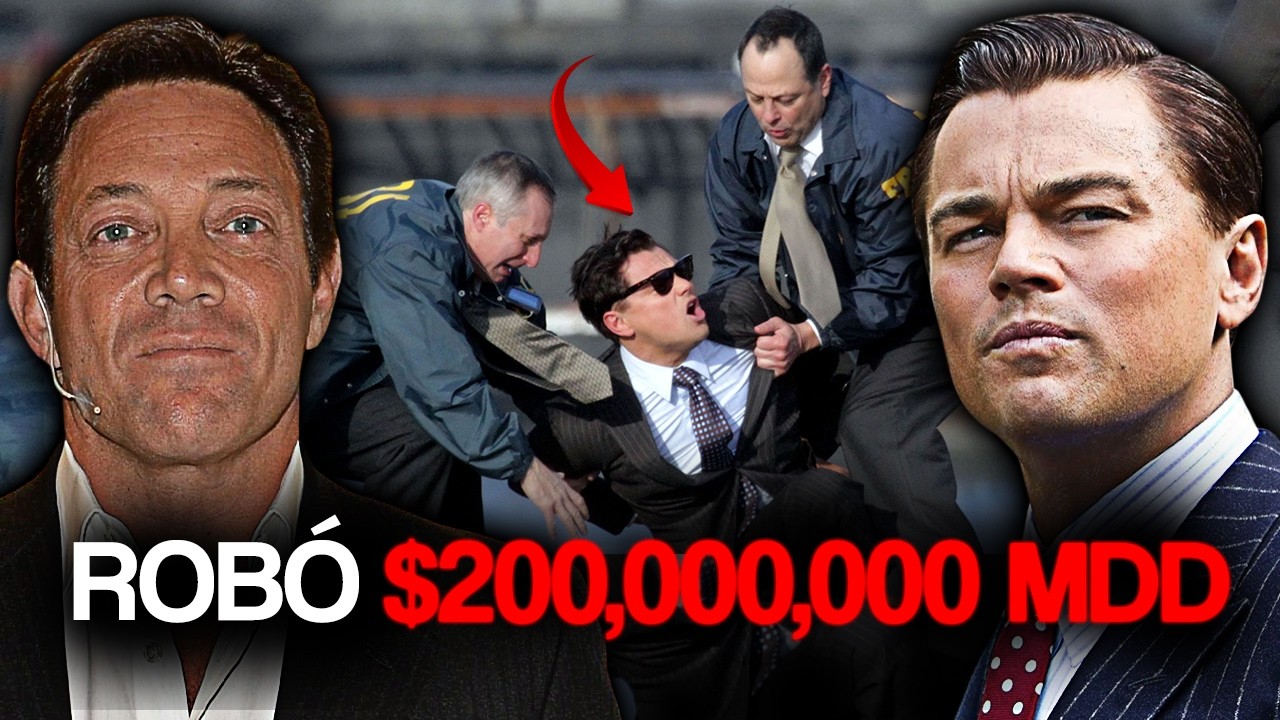
Jordan Belfort was born on July 9, 1962, in the Bronx, New York. Raised in a middle-class Jewish household in Queens by his parents, Max and Leah, who were both hard-working accountants, numbers were always the primary language spoken at the dinner table. Even as a young boy, Belfort never wanted to just be a face in the crowd; he wanted to be the man who owned the crowd. His incredible natural talent for sales revealed itself when he was just sixteen years old. During the suffocating summer heat, instead of lounging on the sand with his friends, he walked up and down the crowded shores of Jones Beach, aggressively selling Italian ice out of cheap styrofoam coolers. By the end of a single summer, he and a close friend had managed to earn an astonishing $20,000. It was a profound realization for the teenager. He discovered that he possessed a rare, almost magical gift: he could convince absolutely anyone that they desperately needed exactly what he was selling.
Armed with his summer earnings, Belfort confidently enrolled in the Baltimore College of Dental Surgery. However, his medical career ended before it even truly began. On his very first day of classes, the dean stood before the eager students and delivered a sobering reality check. He told the room that the golden age of dentistry was officially over, firmly stating that anyone who was there simply to get rich was sitting in the wrong place. Without a moment of hesitation, Belfort stood up from his desk, walked out of the university doors, and never returned. He was not interested in a steady, respectable living; he was actively hunting for his own personal golden age.
Before finding his true calling in the stock market, Belfort attempted to build a massive door-to-door meat and seafood sales business in Long Island. Although he quickly expanded the operation to include a large fleet of delivery trucks and several employees, his lack of corporate experience eventually caught up with him. By the time he was twenty-five years old, the entire business went completely bankrupt. Drowning in debt and desperate for a rapid financial escape, a family friend helped him secure an entry-level interview at L.F. Rothschild, an old-school, highly respected investment firm on Wall Street. On his very first day on the prestigious trading floor, he crossed paths with Mark Hanna, a seasoned veteran broker who imparted a cynical lesson that was not taught in any university economics textbook. Hanna coldly explained that nobody on Wall Street actually knows if the stock market is going to go up or down. The only true objective of a broker, Hanna insisted, is to smoothly move the money out of the client’s pocket and directly into their own pocket through endless commissions.
Belfort absorbed this predatory philosophy like a sponge. He quickly learned how to speak with absolute authority, how to violently seduce clients over the phone, and how to completely abandon his moral compass. But just as he officially earned his broker’s license, the devastating financial crash known as Black Monday hit in October 1987. The stock market violently collapsed, and L.F. Rothschild was forced to close its doors. Once again, Belfort found himself out on the street.
His desperate search for employment led him to a dingy, low-rent strip mall office in Long Island called the Investor Center. This firm was not selling blue-chip stocks like Apple or IBM. They were selling unregulated “penny stocks”—cheap, worthless shares of companies that often existed only on paper. However, the commission structure was absolutely mind-blowing. If Belfort sold $10,000 worth of these garbage shares, he personally pocketed an outrageous 50 percent commission. It was a highly lucrative, barely legal gold mine. Belfort brilliantly applied the sophisticated, aggressive sales tactics he had learned at the elite Wall Street firms to this shady, unregulated market. He developed a flawless sales script known as the “Kodak pitch,” where he would initially offer a client a solid, well-known stock to gain their ultimate trust, and then aggressively pivot to dumping the worthless penny stocks on them. In his very first month at the strip mall, he walked away with $70,000.
By 1989, Belfort realized he was far too talented to be making other people rich. Teaming up with his charismatic partner Danny Porush, he bought a franchise of a firm and rebranded it as Stratton Oakmont. The name was specifically designed to sound aristocratic, British, and deeply trustworthy, hiding the ridiculous reality that the firm operated out of a cramped room located directly above a local car dealership. Rather than hiring Ivy League finance graduates, Belfort recruited his uneducated childhood friends—men who previously sold meat or marijuana. He trained them using his proprietary “Straight Line” persuasion system, teaching them to sound like seasoned Wall Street wizards. His ultimate directive to his sales force was chillingly simple: never hang up the phone until the client either buys the stock or dies.
Stratton Oakmont spread like a financial virus. Within a short period, Belfort commanded an army of one thousand ruthless brokers, all screaming into their telephones and following his aggressive system. The cash began flowing in at an unprecedented rate, with Belfort personally earning over a million dollars a week. To keep his young, money-hungry “wolves” motivated, he cultivated a chaotic, unhinged corporate culture of endless excess. The office regularly hosted bizarre spectacles, including marching bands, chimpanzees on roller skates, and infamous “midget tossing” competitions. Heavy drug use, particularly cocaine, was openly consumed on trading desks, and scandalous sexual encounters in the office bathrooms were a daily occurrence.
As his empire expanded, so did his personal life of luxury. He divorced his first wife after confessing his infidelity and quickly married Nadine Caridi, a stunning British model he affectionately dubbed “The Duchess.” Their lavish million-dollar wedding in the Caribbean was just the beginning of his outrageous spending, which included purchasing the ill-fated Naomi yacht.
However, the real secret behind Stratton Oakmont’s obscene wealth was not just high commissions; it was the illegal practice of the “pump and dump” scheme. Belfort and his inner circle would secretly buy up the vast majority of shares in a small, unknown company before taking it public. His army of brokers would then aggressively call innocent investors across the country, artificially inflating the stock price with outright lies. Once the stock reached a highly inflated peak, Belfort would suddenly sell off all his secret shares, making millions in a matter of minutes, while the stock price inevitably crashed, leaving the regular investors with absolutely nothing. They executed this exact scheme with over thirty companies, most notably with the Steve Madden shoe brand, a deal that netted Belfort an astonishing $22 million in just three hours.
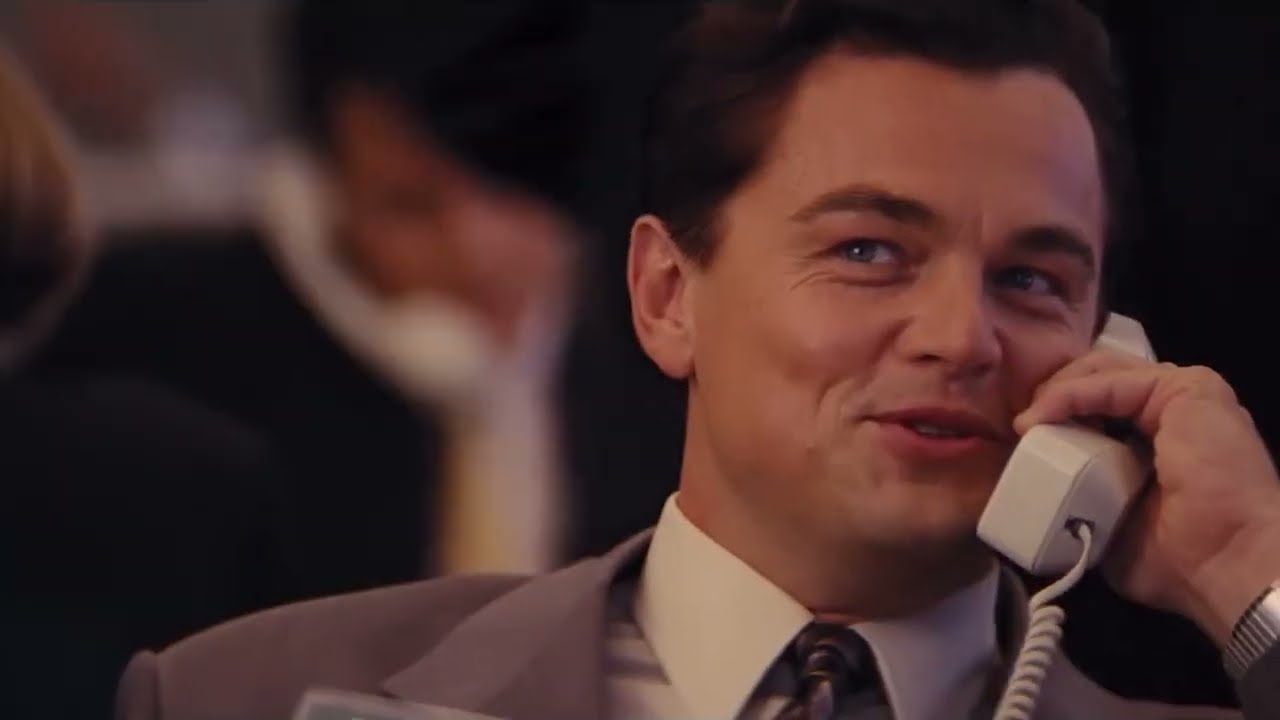
His overwhelming greed eventually made him incredibly careless. Generating more cash than he could safely hide in the United States, Belfort began aggressively smuggling millions of dollars into secret Swiss bank accounts. He shockingly used his wife’s mother, her aunt, and several friends to physically tape bricks of cash to their bodies and fly across the Atlantic. In Switzerland, he partnered with a corrupt banker named Jean-Jacques Saurat, falsely believing that the legendary Swiss banking secrecy laws would protect him forever.
While Belfort was busy acting like the untouchable master of the universe, a highly determined FBI agent named Gregory Coleman was quietly building a massive case against him. Coleman possessed incredible patience, meticulously tracking every single financial movement and waiting for the arrogant broker to finally make a fatal mistake. Meanwhile, Belfort’s personal life was rapidly spiraling out of control due to his severe drug addiction. His consumption of methaqualone—specifically the highly coveted Lemmon 714 pills—was astronomical. In one infamous incident, Belfort ingested several heavily expired pills that had a delayed reaction. The intense high hit him all at once while he was at a local country club, completely paralyzing his motor skills. He famously dragged himself across the ground to his white Lamborghini and attempted to drive home. In his deeply intoxicated state, he believed he had navigated perfectly. It was not until the next morning, when the police arrived at his door, that he realized he had completely destroyed the luxury vehicle and taken out several mailboxes along the way.
The terrifying yacht sinking in Italy was truly the beginning of the end. In 1994, the authorities finally managed to shut down Stratton Oakmont, banning Belfort from the financial sector for life. Although he attempted to continue operating in the shadows, the FBI finally broke his corrupt Swiss banker, who quickly turned on Belfort to save himself. In 1998, Jordan Belfort was officially arrested and heavily charged with securities fraud and massive money laundering. Facing a terrifying 30-year prison sentence, the ultimate salesman did what he always did best: he negotiated a deal. Belfort agreed to cooperate fully with the government, wearing a wire and actively ratting out his former partners and closest friends.
The subsequent trial revealed that Stratton Oakmont had mercilessly defrauded innocent clients out of more than $200 million. During this chaotic period, Nadine finally divorced him after enduring years of severe emotional abuse and drug-fueled madness. Belfort eventually went to rehab and was sentenced to four years in federal prison, ultimately serving only 22 months in a minimum-security facility in Nevada. It was there that he met his surprisingly famous cellmate, Tommy Chong, of the legendary comedy duo Cheech and Chong. After listening to Belfort’s insane, unbelievable tales of Wall Street debauchery, Chong firmly convinced him that he needed to write a book about his life.
Released from prison in 2006, Belfort was ordered by the judge to pay $110 million in restitution to his countless victims. He eventually published his explosive memoirs, “The Wolf of Wall Street,” which became a massive global bestseller and was later adapted into an Academy Award-nominated film directed by Martin Scorsese. Today, Jordan Belfort travels the world as a highly paid motivational speaker. He no longer sells worthless penny stocks; he sells his own scandalous history. Despite the incredible millions he made and lost, the innocent families he financially ruined, and the dark years of severe addiction, he ultimately remains the exact same charismatic salesman who once walked the hot sands of Jones Beach—a man who proved that in a world driven by endless greed, a shiny enough wrapper can easily disguise the darkest of truths.