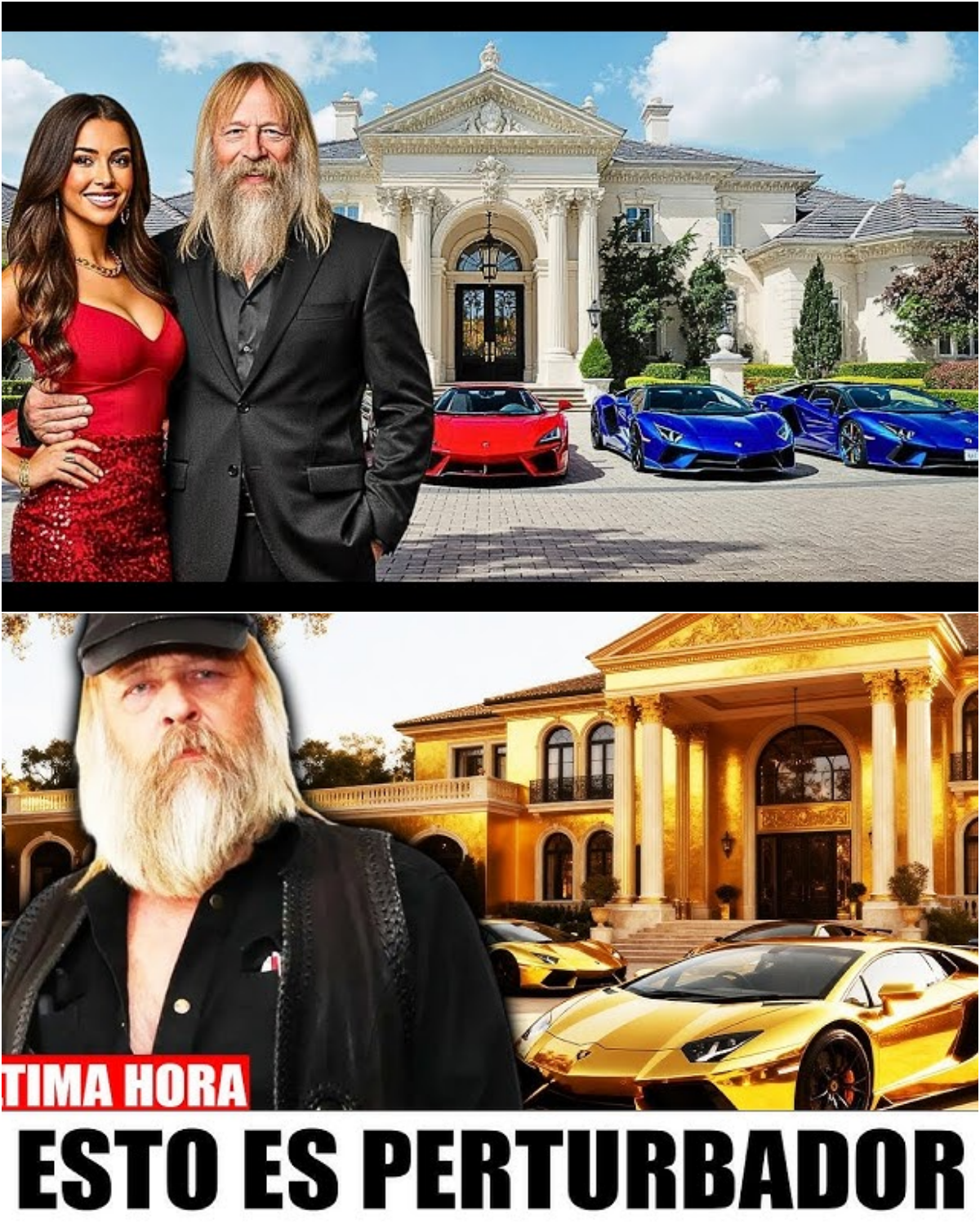
If there were a global petition featuring nearly half a million signatures demanding your permanent removal from the internet, and major Hollywood stars were publicly telling you to go to hell, your career would typically be considered dead and buried. By all conventional rules of society and public relations, an individual facing this level of universal condemnation should disappear into total obscurity. But the modern digital age operates under a deeply twisted set of rules. Instead of facing ultimate ruin, Logan Paul—a YouTube titan with tens of millions of subscribers—managed to hack the system. While the entire world eagerly waited for his downfall, the infuriating reality was that the algorithmic economy consistently rewarded his terrible behavior with massive payouts. For years, it seemed as though this deeply controversial figure was completely bulletproof, treating his devoted, mostly underage fanbase as nothing more than an agricultural crop ready to be aggressively harvested. But today, the walls of his chaotic empire are finally crumbling.
To understand the spectacular rise and impending fall of Logan Paul, we must rewind to the birth of short-form video content in 2013. Paul initially exploded onto the scene through the Vine application, mastering the art of the six-second viral video. His formula was incredibly simple yet highly effective: he offered absolute, unhinged chaos. He would scream in public places, execute dangerous stunts, and rely on cheap visual thrills to capture the incredibly short attention spans of his viewers. When Vine inevitably collapsed, he executed a brilliant pivot, migrating his massive audience over to YouTube and pioneering the daily vlog format. This transition sparked a period of unprecedented, terrifying growth. In just 333 days, he shattered records by amassing over ten million subscribers. At his absolute peak in 2017, his channel was welcoming an astonishing fifty thousand new fans every single day.
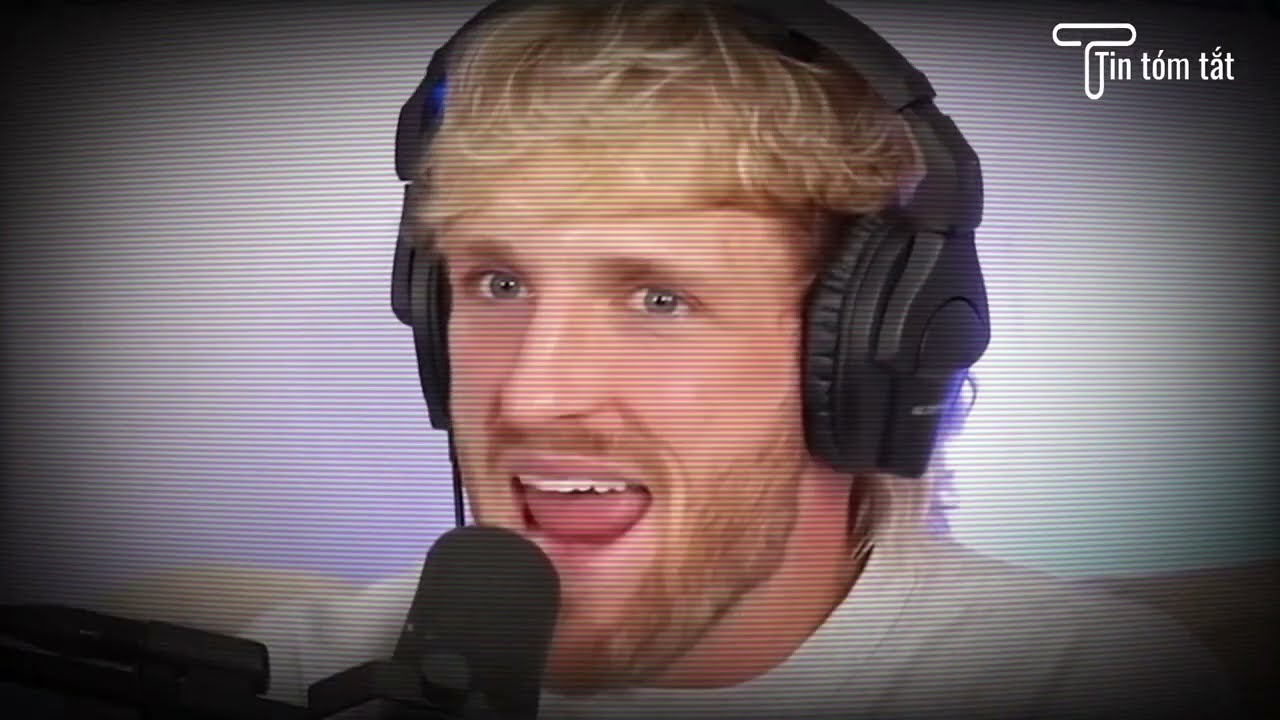
With this unprecedented level of digital traffic, printing money became remarkably easy. Aside from the massive monthly checks generated by YouTube’s ad revenue, Paul launched a wildly successful merchandise empire. His apparel brand generated a staggering forty million dollars in just its first nine months. The secret to this massive financial success lay in the demographics of his fiercely loyal fanbase, known affectionately as the “Logang.” Data revealed that nearly half of his audience was under the age of twenty-four, with a massive concentration of children between the ages of eight and twelve. To these impressionable kids, Logan Paul was not just an entertainer; he was the ultimate cool older brother who aggressively rebelled against the boring, restrictive rules of the adult world. He monetized rebellion, trading in cheap dopamine hits and establishing himself as a superstar so massive that traditional Hollywood agencies and global brands like Pepsi were desperately lining up to work with him.
It seemed that as long as he did not commit a horrific crime, his empire was entirely untouchable. But that illusion violently shattered on December 31, 2017. During a trip to Tokyo, Japan, Paul and his entourage visited the Aokigahara forest, a location globally known as the “suicide forest.” In a decision that permanently scarred his legacy, Paul and his crew stumbled upon the body of a tragic victim. Any decent human being would have immediately lowered the camera, offered a silent prayer, and contacted the local authorities. Instead, Logan Paul saw the ultimate viral thumbnail. He kept the cameras rolling, zooming in on the tragic scene, and even proceeded to crack wildly inappropriate jokes while laughing hysterically. He then uploaded the heavily edited footage to YouTube, bragging on Twitter that it would be his most “insane” vlog ever.
The video exploded, racking up over six million views in just twenty-four hours, but the resulting backlash was absolutely catastrophic. The outrage was not just from his usual critics; it was a universal condemnation from global society. Japanese authorities were furious, suicide prevention organizations condemned his actions as a gross violation of basic human decency, and celebrities like Aaron Paul publicly labeled him as pure garbage. Over 480,000 people signed a petition demanding his removal from the platform. Cornered by global fury, Paul deleted the video and uploaded a tearful apology titled “So Sorry.” However, in a display of sickening digital irony, this incredibly sad apology video was monetized. While millions watched him cry and beg for forgiveness, the YouTube algorithm quietly deposited tens of thousands of dollars into his bank account. Although he lost premium advertising deals and original film projects, the controversy shockingly acted as a massive promotional tool. During the week he was being universally hated, he actually gained eighty thousand new subscribers. He had successfully learned a dark, vital lesson: in the modern attention economy, absolute hatred is just as profitable as love.
Realizing that his wholesome, family-friendly vlogging days were officially over, Paul executed the most audacious rebrand in internet history. He fully embraced his new role as the internet’s ultimate villain. He pivoted into the world of professional combat sports, challenging a fellow mega-creator, KSI, to a boxing match. He understood that millions of people desperately wanted to see him get punched in the face, and he brilliantly decided to sell tickets to his own public execution. The fight was a massive financial triumph, generating over twelve million dollars in pay-per-view revenue in a single night. He successfully washed away his moral stains with sweat and blood, eventually signing a highly lucrative contract with the WWE to become a professional wrestling “heel.” He was literally paid millions to let the crowd passionately boo him.
But even boxing purses and wrestling contracts were not enough to satisfy his overwhelming greed. In 2021, at the absolute height of the cryptocurrency boom, Logan Paul launched “CryptoZoo,” heavily promoting it as a revolutionary blockchain game that would make his loyal fans rich. Encouraged by their idol, countless young followers drained their hard-earned savings, pouring millions of dollars into purchasing digital eggs that were supposed to hatch into valuable virtual animals. The devastating reality? The game was a total scam. It did not work, the code was unfinished, and the promised artwork was nothing more than slightly altered stock images. When renowned internet detective Coffeezilla published a massive three-part investigation exposing the fraud and the shady developers involved, the public outrage was immense.
In a terrifying display of his true character, leaked private messages from the subsequent legal battles revealed Paul dismissing the crisis with chilling cruelty. When advised to settle the matter peacefully, Paul reportedly stated that he was a “vindictive billionaire” who wanted his enemies to suffer, aggressively threatening to “pee on their graves.” Although public pressure eventually forced him to offer a multi-million dollar refund program, it came with a highly manipulative catch: victims had to sign away their legal rights to sue him in order to get a fraction of their money back.
Despite the CryptoZoo disaster, Paul achieved what appeared to be his greatest commercial success yet by launching PRIME, a wildly popular hydration drink created alongside his former rival, KSI. Utilizing incredibly aggressive viral marketing tactics, they created an artificial scarcity that caused children to literally fight over bottles in supermarkets across the globe. By 2023, PRIME claimed to have generated an astonishing 1.2 billion dollars in revenue, securing high-profile sponsorships with the UFC and the Arsenal football club.
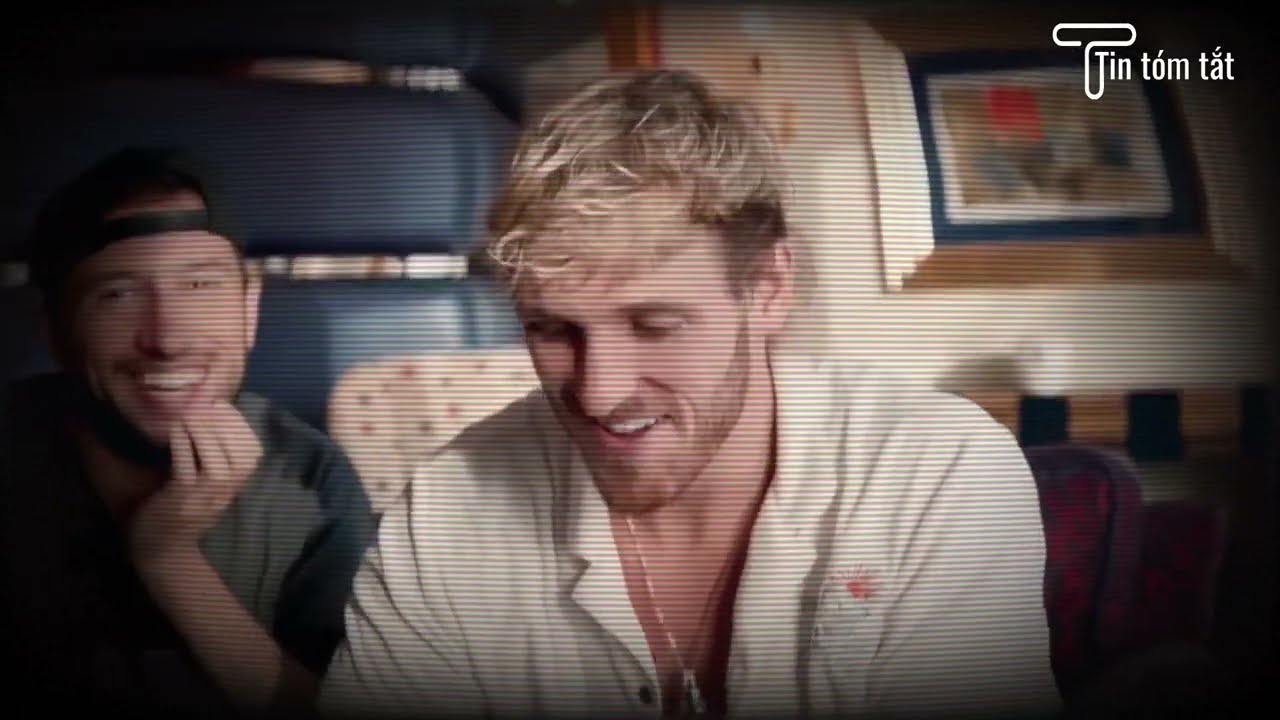
However, karma has a very long memory, and the bill has finally come due. As we move through 2024 and into 2025, reality is delivering a crushing blow to the invincible influencer. The PRIME empire is rapidly collapsing. Sales in major markets like the UK have plummeted by a catastrophic seventy percent. The devastating drop is largely due to horrifying medical discoveries regarding the beverage’s incredibly high caffeine content, which far exceeds safe limits for minors. Accused of aggressively marketing heart-palpitating caffeine bombs to elementary school children, governments and educational institutions across the globe have initiated strict bans on the product.
Furthermore, the long arm of the law is finally tightening its grip. The massive class-action lawsuits regarding the CryptoZoo scam are proceeding to trial, driven by angry fans who refused to sign his manipulative waivers and are demanding true justice. While his subscriber count remains high, the invincible aura of Logan Paul is completely gone. He is no longer viewed as a daring entertainer; the general public now sees a cynical opportunist, a purveyor of dangerous energy drinks, and a serial scammer constantly fighting legal battles. The incredible saga of Logan Paul proves that while you can temporarily hack the algorithm and turn outrage into a luxury mansion, an empire built on toxicity and exploitation is ultimately just a castle made of sand. The harvest is finally over, and the internet’s most untouchable villain is finally facing the true consequences of his actions.