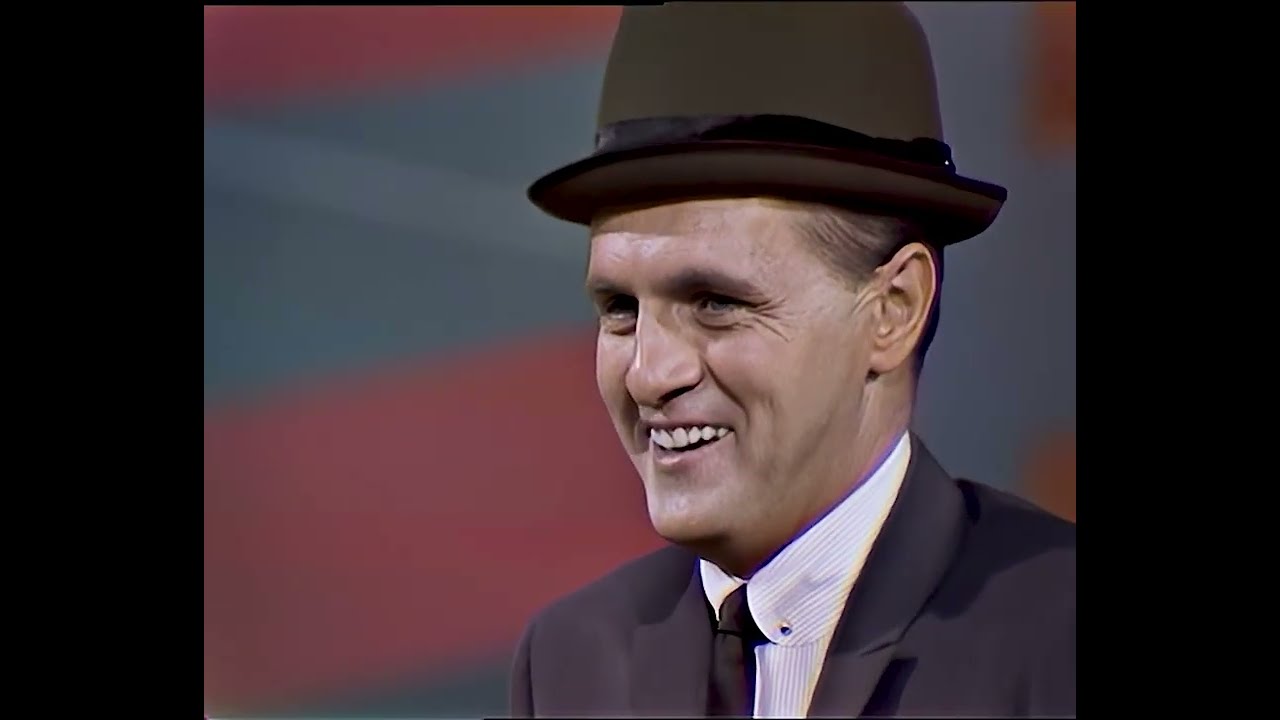
In the history of television, there is a distinct, cherished category of moment: the “break.” It happens when a performer, usually one known for their stoic control or cool demeanor, is hit by a wave of laughter so genuine and uncontrollable that the fourth wall of the performance shatters. Perhaps no moment in the annals of variety TV captures this better than Bob Newhart’s legendary toupee return sketch, a scene that famously incapacitated the eternally unflappable Dean Martin.
The Master of Deadpan
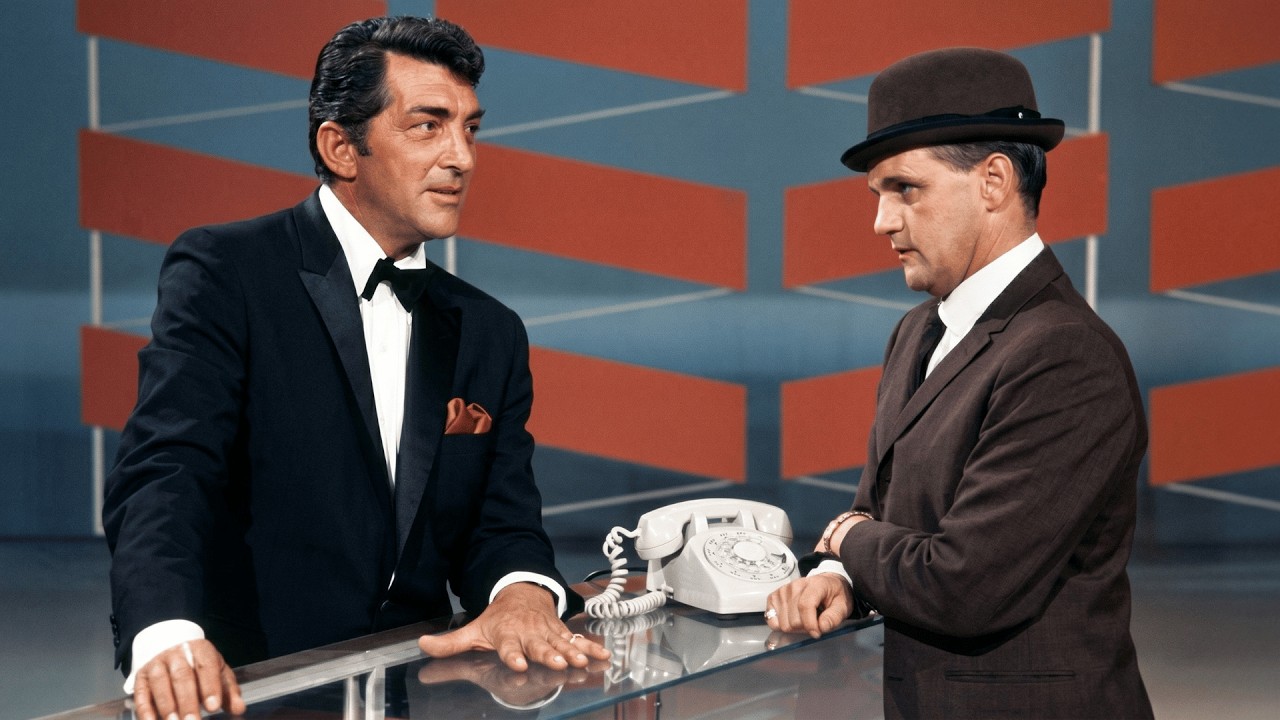
Bob Newhart was, and remains, the undisputed king of deadpan. His comedy wasn’t loud; it was surgical. He excelled at playing the everyman—the slightly bewildered individual navigating a world of bizarre bureaucracies or inexplicable social pressures. In this sketch, he plays a man attempting to return a toupee that has proven to be, in his words, a “problem.”
The brilliance of Newhart’s performance lies in his commitment to the mundane. He doesn’t treat the situation as an outlandish farce; he treats it with the grave concern of a man truly worried about his social standing and his household appliances. His story about the toupee falling into a party’s cheese dip, leading to a two-hour retrieval operation, is told with such earnest, stuttering sincerity that it becomes hilariously tragic.
When the “Straight Man” Collapses
Across the desk sat Dean Martin, the host of the variety show and the quintessential “cool” figure of mid-century entertainment. Martin was a seasoned professional, a man who could navigate any live broadcast with a glass of whiskey and a wink. But Bob Newhart’s delivery was simply too effective.
As Newhart detailed the technical specs of his toupee—the “crew cut with the widow’s peak” model—and recounted the horror of the cheese-dip incident, Martin began to lose the battle for his composure. It wasn’t just a polite chuckle; it was a genuine collapse. When Newhart described his children’s disappointment at no longer being able to watch the toupee spin in the washer-dryer, Martin reached his breaking point. He didn’t just laugh; he gave up entirely, effectively becoming an audience member to his own show.
The Magic of Spontaneity
The reason this sketch remains a classic, viewed and shared decades later, is that it reminds us of the joy of live performance. Today, television is often highly produced, edited, and scrubbed of any “errors.” We rarely get to see the human side of our entertainers. This sketch is the antidote to that sterility.
Watching Dean Martin struggle to regain his professionalism, only to be hit with another wave of hilarity by Newhart’s next line, is infectious. It turns the audience into conspirators. We are no longer watching a scripted scene; we are watching two geniuses at the height of their powers, finding the same delight in the absurdity as we are.
An Enduring Legacy of Laughter
Bob Newhart’s career was built on the premise that the funniest things in life are the small, embarrassing, and slightly sad moments. Whether he was a bus driver, a button-down clerk, or a man with a faulty rug on his head, he made us laugh by reflecting our own anxieties back at us.
This specific moment—the toupee tragedy—remains a gold standard for comedic chemistry. It serves as a testament to the fact that you don’t need elaborate sets, expensive effects, or a complex plot to create gold. All you need is a man with a dry wit, a straight man who is willing to let go, and a ridiculous premise that captures the sheer, unpredictable silliness of being human. If you ever find yourself needing a reason to smile, the sight of Dean Martin leaning into his desk, utterly defeated by the power of a good laugh, is a remedy that never fails.