In the annals of modern criminal history, no name evokes as much visceral disgust, profound mystery, and universal distrust in the global establishment as Jeffrey Epstein. He was a man who seemingly materialized out of nowhere, built an incomprehensible fortune, and operated a sprawling, horrific human trafficking ring that catered exclusively to the world’s most powerful men. Yet, despite the sheer magnitude of his crimes and the staggering number of victims, the most terrifying aspect of the Epstein saga is not just what he did, but how the system actively permitted him to do it. The recent declarations by top federal agencies claiming there is no evidence of a wider conspiracy, no definitive “client list,” and no remaining blackmail material have only poured gasoline on a raging fire of public skepticism. The story of Jeffrey Epstein is no longer just about a singular predator; it is a damning indictment of a deeply corrupted society where extreme wealth and political leverage can buy absolute immunity from the law.
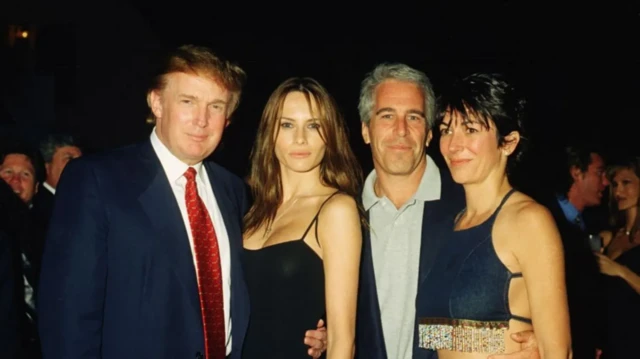
To comprehend the terrifying enigma of Epstein, one must examine his completely illogical rise to power. Born in 1953 to a modest, working-class Jewish family in Brooklyn, Epstein lacked the pedigree, the inherited wealth, and the academic credentials typically required to infiltrate the highest echelons of society. He was a college dropout who somehow secured a position teaching mathematics at the elite Dalton School in Manhattan in the 1970s. His tenure was disastrous. He brazenly violated the school’s strict dress code, roaming the halls in fur coats with his chest exposed, and actively engaged in highly inappropriate, predatory behavior with female students. He was ultimately fired for poor performance, yet this dismissal was merely the first in a bizarre pattern of failing upward.
By the 1980s, the disgraced, unqualified teacher had miraculously transitioned into a high-powered financial strategist at Bear Stearns. He was promoted with terrifying speed, becoming the firm’s youngest limited partner despite his fabricated credentials. His invincibility became glaringly apparent during his involvement with Towers Financial, a company that orchestrated one of the largest Ponzi schemes in American history. While the chairman, Steven Hoffenberg, was sentenced to twenty grueling years in federal prison—openly naming Epstein as a primary architect of the massive fraud—Epstein walked away entirely unscathed. He faced no charges and suffered no consequences, sparking enduring rumors that his unbelievable immunity was the result of his status as a highly protected asset for international intelligence agencies.
Epstein’s financial empire reached terrifying new heights when he secured the absolute trust of Leslie Wexner, the billionaire mastermind behind Victoria’s Secret. In a move that continues to baffle business experts, Wexner handed this mysterious outsider complete, unchecked control over his personal fortune and corporate assets. It was during this era that Epstein acquired his infamous portfolio of properties: the massive Manhattan townhouse, the sprawling Palm Beach estate, the “Lolita Express” private jet, and his notoriously secretive private island in the Caribbean. These properties were not merely symbols of wealth; they were carefully designed, isolated honeypots utilized to facilitate his horrific trafficking network.
Armed with endless capital, Epstein executed a brilliant, sinister social engineering campaign. He understood that wealthy men crave intellectual validation and social prestige. He donated tens of millions of dollars to Harvard and MIT, surrounding himself with brilliant minds like Stephen Hawking and Steven Pinker. He embedded himself in the social circles of former presidents, international royalty, and tech billionaires. He transformed himself into the ultimate gatekeeper of high society. But the price of admission to Epstein’s inner circle was exposure to his depravity. He utilized his young victims as a twisted currency, ensuring that the powerful men who participated in his crimes were permanently compromised and forever bound to his silence.
However, the facade eventually cracked. In 2005, the Palm Beach police department launched a massive investigation after a brave fourteen-year-old victim came forward. The evidence they collected was overwhelming: hidden cameras, meticulous records, and the agonizing testimonies of over fifty underage victims who detailed a highly organized, international trafficking ring. The local police handed federal prosecutors a bulletproof case that should have resulted in a life sentence. Instead, the American justice system completely collapsed under the weight of Epstein’s wealth.
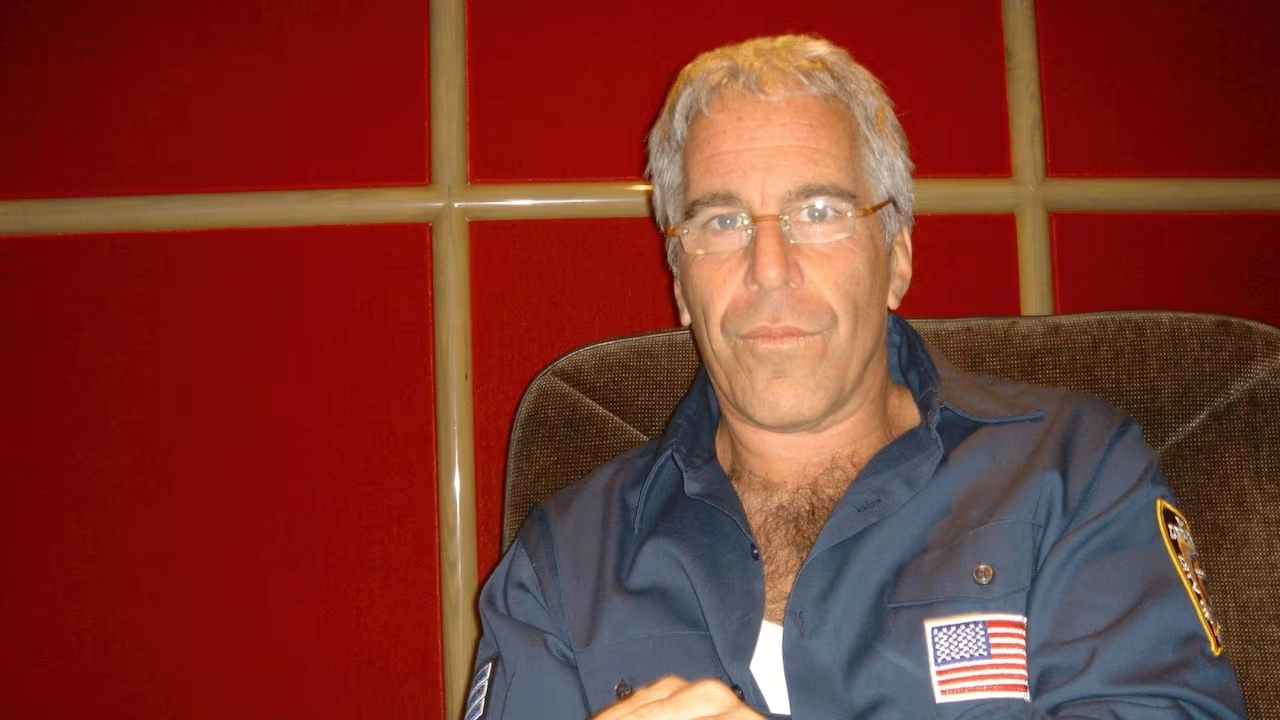
In 2008, ambitious federal prosecutor Alexander Acosta orchestrated a sickening, illegal “sweetheart deal” in secret negotiations with Epstein’s high-powered legal team. Epstein was allowed to plead guilty to minor state charges, serving a mere thirteen months in a county jail. The conditions of his incarceration were an absolute insult to the victims. His cell door remained unlocked, he was provided a private television, and he was granted a staggering twelve hours of work release every single day, allowing him to fly on his private jet and roam freely around Palm Beach. Furthermore, the federal non-prosecution agreement explicitly granted sweeping immunity to all of Epstein’s unnamed co-conspirators, permanently shielding the global elite from any legal consequences.
It took over a decade of relentless investigative journalism, spearheaded by reporters like Julie Brown of the Miami Herald, to force the federal government to finally arrest Epstein again in 2019. The public believed that the untouchable monster would finally face a judge, and his vast network of powerful clients would be dragged into the light. But true justice was violently denied. Just five weeks after his arrest, Epstein was found dead in his maximum-security cell at the Metropolitan Correctional Center. The circumstances surrounding his death were so utterly absurd—simultaneously malfunctioning security cameras, guards who conveniently fell asleep for three consecutive hours, and the suspicious transfer of his cellmate—that the phrase “Epstein didn’t kill himself” instantly transformed from a dark joke into a universally accepted truth. The public instinctively understood that the global elite had successfully permanently silenced their greatest liability.
Today, the aftermath of the Epstein scandal is a festering wound on the conscience of the world. Despite the subsequent arrest and conviction of his primary accomplice, Ghislaine Maxwell, the broader network of predators remains entirely untouched. The recent release of heavily redacted documents has only fueled public outrage, as the names of powerful politicians, including figures like Donald Trump and Bill Clinton, remain shrouded in mystery and endless legal deflections. The sudden, highly suspicious deaths of key witnesses and associates, including the French modeling scout Jean-Luc Brunel and vocal accusers, have created an atmosphere of absolute terror.
The story of Jeffrey Epstein is not a triumphant tale of the legal system catching a villain; it is a chilling documentation of a society where justice is an illusion for the elite. He operated without rules, destroying the lives of countless young girls, while the politicians and billionaires who benefited from his crimes continue to walk free. Until the full, unredacted truth is exposed and the powerful men who participated in this horrific network are held accountable, the legacy of Jeffrey Epstein will remain a terrifying reminder that the world is ruled by those wealthy enough to purchase their own reality.