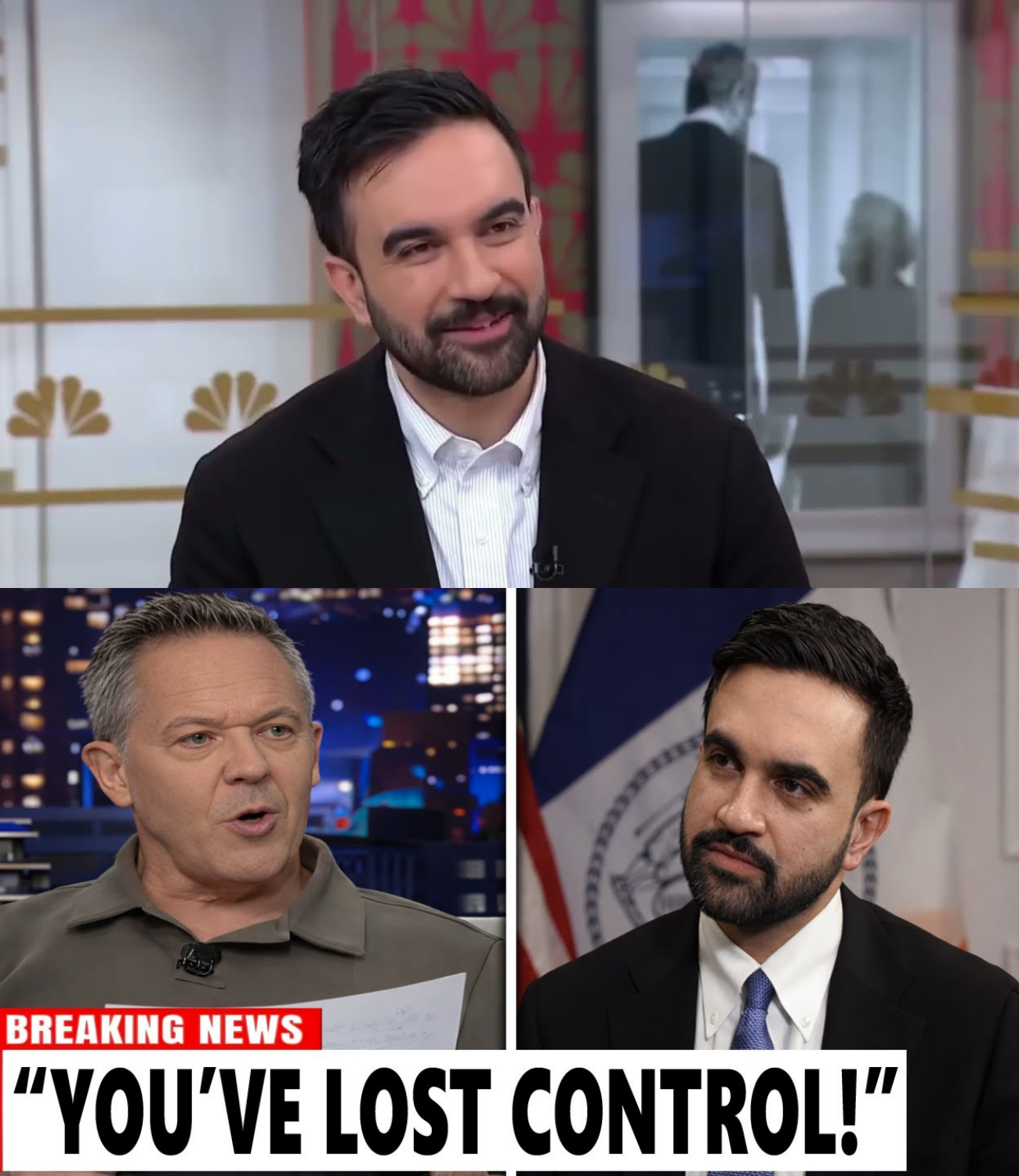
The streets of New York City have long been a stage for the grandiose promises of aspiring politicians, but rarely has the curtain been pulled back with such surgical, sarcastic precision as in recent weeks. As the city grapples with a persistent cycle of urban challenges—from the perpetual battle against subway dysfunction to the rising tides of public safety concerns—the political rhetoric often feels like a world away from the reality experienced by average citizens. Enter Greg Gutfeld, who has taken it upon himself to act as the sharp-tongued narrator of this unfolding urban drama, directing his focus squarely at Zohran Mamdani, the self-described democratic socialist whose tenure has become a focal point of intense scrutiny and political debate.
To understand the friction between Gutfeld and Mamdani, one must look at the disconnect between high-minded policy goals and the tangible state of the city. Mamdani arrived on the scene with an ambitious platform, pledging to tackle the housing crisis, bolster public safety, and revitalize the legendary, yet often struggling, public transit system. For many, these were the promises of a new era. For others, particularly those who have witnessed decades of mayoral transitions, these claims sounded like the same echoes of past campaigns that failed to move the needle. Gutfeld, utilizing his trademark blend of humor and skepticism, has meticulously picked apart these promises, framing them not as legitimate paths to progress but as theatrical performances that ignore the actual systemic failures of the metropolis.
The central tension of this critique lies in the concept of accountability. Gutfeld argues that the current political landscape in New York, dominated by a single-party monopoly, has allowed policies to go unchecked and unchallenged. He posits that the Democratic Party has acted like parents who refused to discipline a wayward teenager, ultimately unleashing an agenda upon the city that lacks the foundational support needed for real-world success. This perspective turns the conversation from mere policy disagreement into a commentary on competence. Every instance of a stalled infrastructure project or a rise in crime becomes, in Gutfeld’s hands, a punchline that resonates with a frustrated public.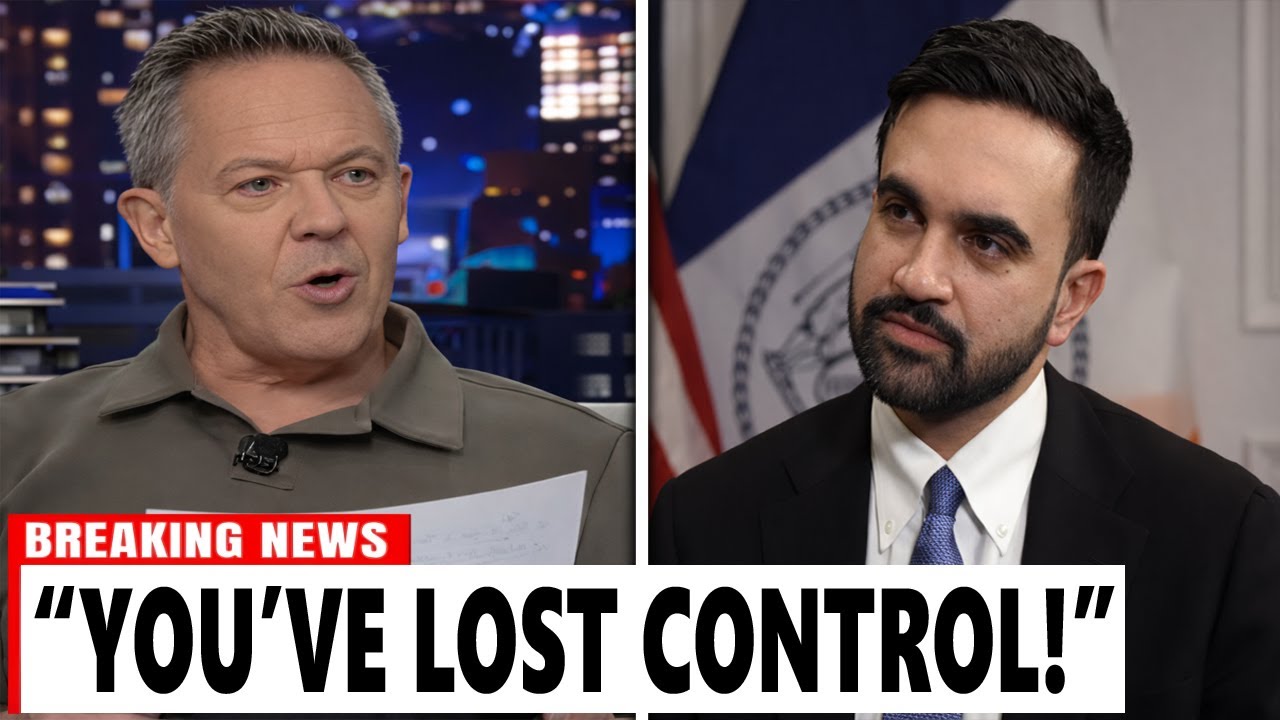
Beyond the policy debates, the conversation has ventured into the deeply personal and often controversial realm of identity politics. Gutfeld famously highlighted historical inconsistencies in how Mamdani presented himself during his academic applications, specifically regarding his identification as Black or African-American. While Mamdani has navigated the complex terrain of modern identity discourse, Gutfeld’s approach has been to frame these actions as a “grift,” questioning why a political figure would lean into a specific identity if it were not perceived as a tactical advantage. This line of questioning is emblematic of Gutfeld’s broader strategy: he does not just debate the merits of a policy; he questions the sincerity of the politician behind it.
The humor, while biting, serves a specific purpose. By transforming the grim realities of urban mismanagement into biting satire, Gutfeld manages to reach an audience that might otherwise be turned off by dry, academic critiques of municipal government. When he highlights the “chaos theory” that seems to govern New York’s streets or points out the irony of safety summits held amidst rising crime, he is tapping into a genuine, widespread exhaustion felt by New Yorkers. The laughter that follows is rarely just about amusement; it is a cathartic release for residents who see the same problems—rats in restaurants, subway delays, and rising rents—persisting despite the promise of radical change.
However, it would be a mistake to dismiss this as mere entertainment. Beneath the jokes and the rhetorical jabs, there is a serious question about the future of American urban centers. New York has historically been a city built on the mechanics of capitalism, trade, and industry—a place where diversity is an organic byproduct of economic opportunity. Gutfeld warns that by focusing strictly on the “goals” of social engineering without respecting the complex systems that sustain a city, leaders risk killing the golden goose. He frames the current political direction as one that expects the rewards of a vibrant economy—the “gifts under the tree”—without acknowledging the hard work and systemic maintenance required to produce them.
As the political discourse continues to evolve, the impact of these exchanges is clear. Gutfeld’s persistent, relentless questioning has forced the spotlight onto areas that politicians would often prefer to leave in the shadows. Whether one views Mamdani’s policies as a necessary move toward a more equitable future or as a misguided detour into impractical idealism, the debate has undeniably energized the public. In a city as fast-paced and demanding as New York, the electorate is often short on patience for failure and long on expectation for results.
Ultimately, the spectacle of Gutfeld versus Mamdani is a window into a deeper societal divide. It is a clash between those who believe the system is fundamentally broken and requires a radical, socialist-inspired overhaul, and those who believe the system is being eroded by incompetence, performative politics, and a lack of traditional common sense. As the city continues to navigate its challenges, one thing is certain: the conversation will remain as loud, as chaotic, and as deeply debated as New York itself. With every segment, Gutfeld serves as a reminder that in politics, as in life, when reality collides with ambition, the results are rarely dull. The stage is set, the arguments are drawn, and the audience—the citizens of the city—are watching every move with bated breath, waiting to see if the curtain will eventually rise on actual results or just another act of political theater.
Full video: