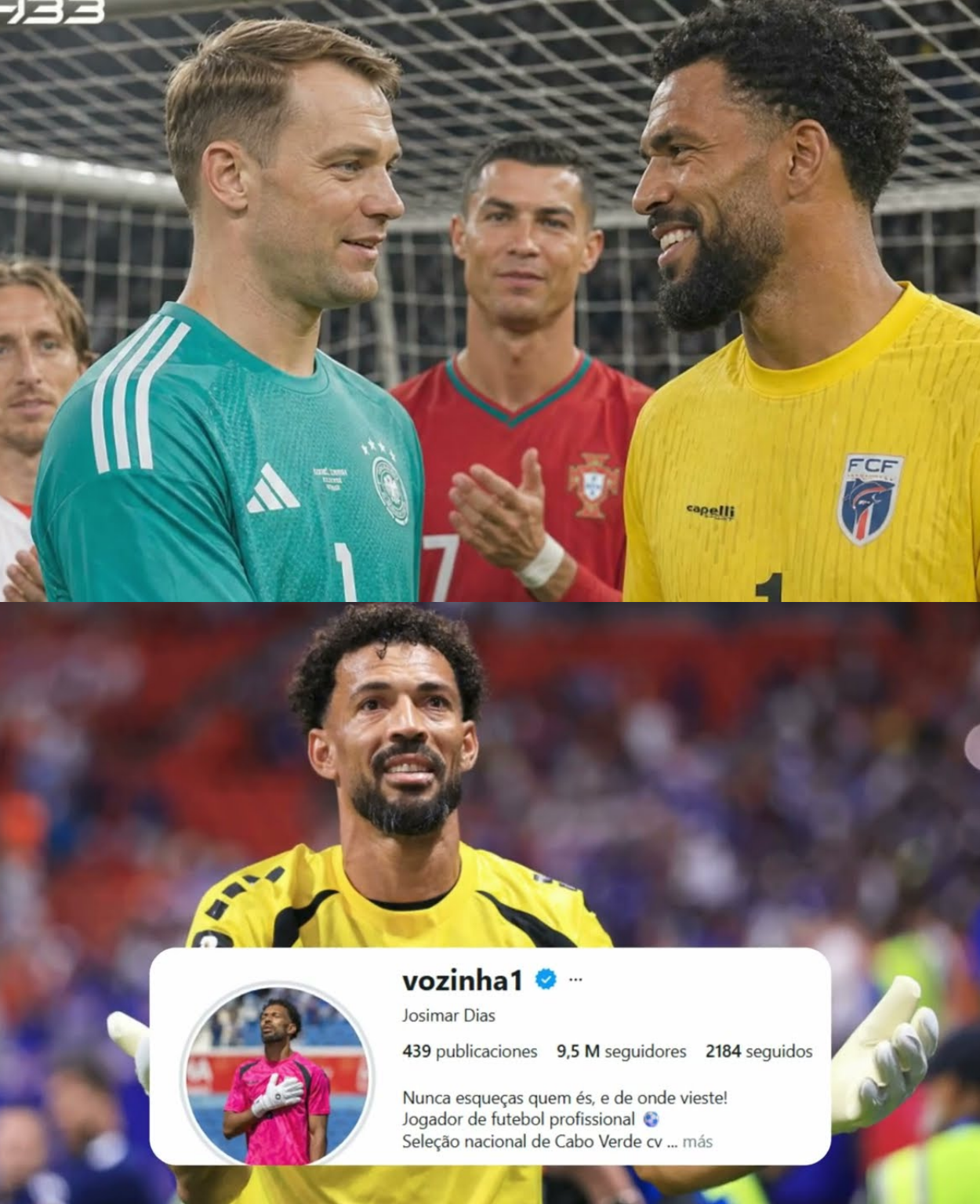
In the world of football, we are often obsessed with the prodigies—the teenagers who burst onto the scene with multi-million dollar contracts and the weight of the world on their shoulders. We rarely talk about the journeymen, the players who spend decades in the shadows, moving from country to country, building a career out of grit, patience, and a quiet, unyielding love for the game. Josimar José Évora Díaz, known to the world as Vozinha, was one of those players. Until he wasn’t.
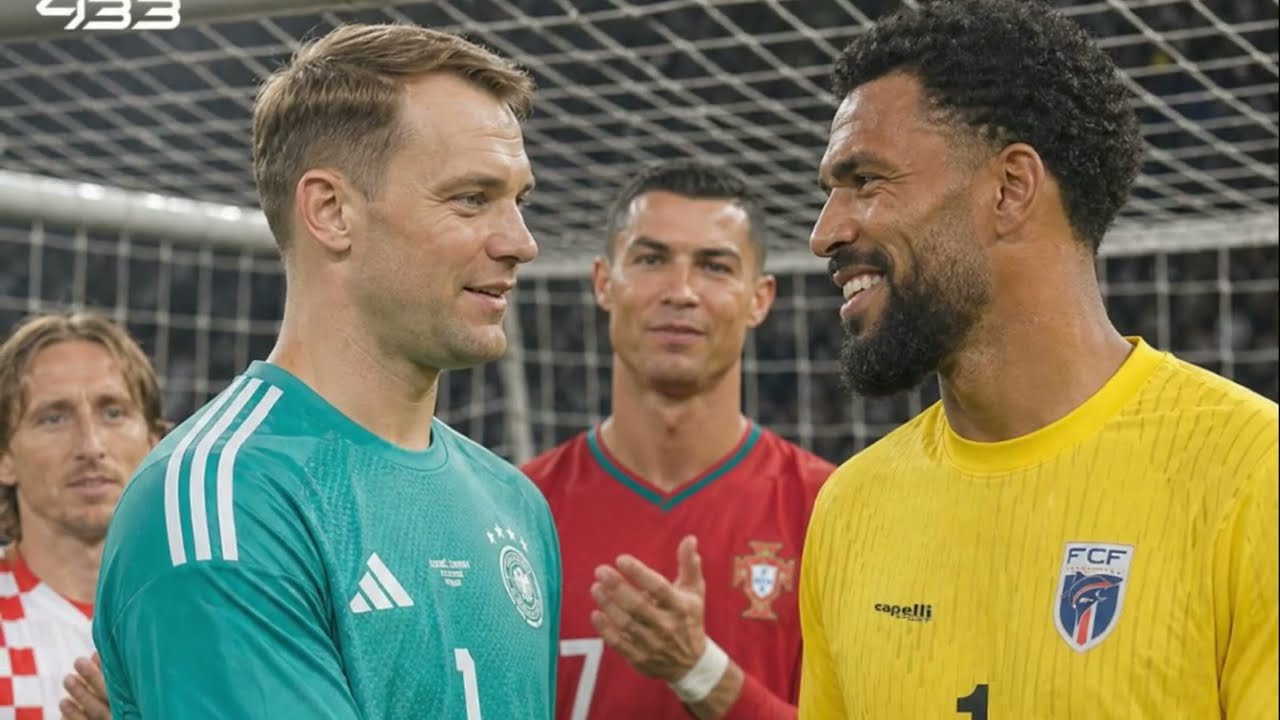
The Long Road to the Spotlight
Born in Mindelo, Cape Verde, in 1986, Vozinha’s trajectory was never a straight line to the top. His career was a tapestry of resilience, spanning leagues in Angola, Moldova, Portugal, Cyprus, and Slovakia. He was a veteran in the truest sense—a player who knew exactly what it meant to start over in a foreign land, to fight for every minute of playing time, and to keep going when the world wasn’t watching. In Cape Verde, he was a leader, a pillar of the national team, but to the global football community, he was virtually anonymous.
That changed on a night that will be etched in football folklore. Cape Verde, a nation of just over half a million people, made its World Cup debut against Spain, a powerhouse filled with global superstars and heavy favorites to win the tournament. Most pundits expected a blowout, a routine victory for the giants. Instead, they got a masterclass in resistance.
The Night of the Miracle
The statistics of the match tell a lopsided story: Spain dominated with 74% possession, unleashed 23 shots, and completed hundreds more passes than their opponents. But football is not won on spreadsheets; it is won in the moments of desperation inside the penalty box. Vozinha was a titan under the lights. He defied the odds, flying across his goal, positioning himself with the tactical intelligence of a veteran, and rejecting every attempt Spain threw his way.
The 0-0 draw wasn’t just a result; it was an act of defiance. For Vozinha, it was the culmination of a 40-year journey. The emotion poured out of him at the final whistle in tears—not of sadness, but of relief, pride, and remembrance. He later spoke of his grandparents, who had raised him, and his mother, who had watched from afar. In that moment, he wasn’t just a goalkeeper; he was a son, a grandson, and the representative of an entire nation’s dream.
A Viral Awakening
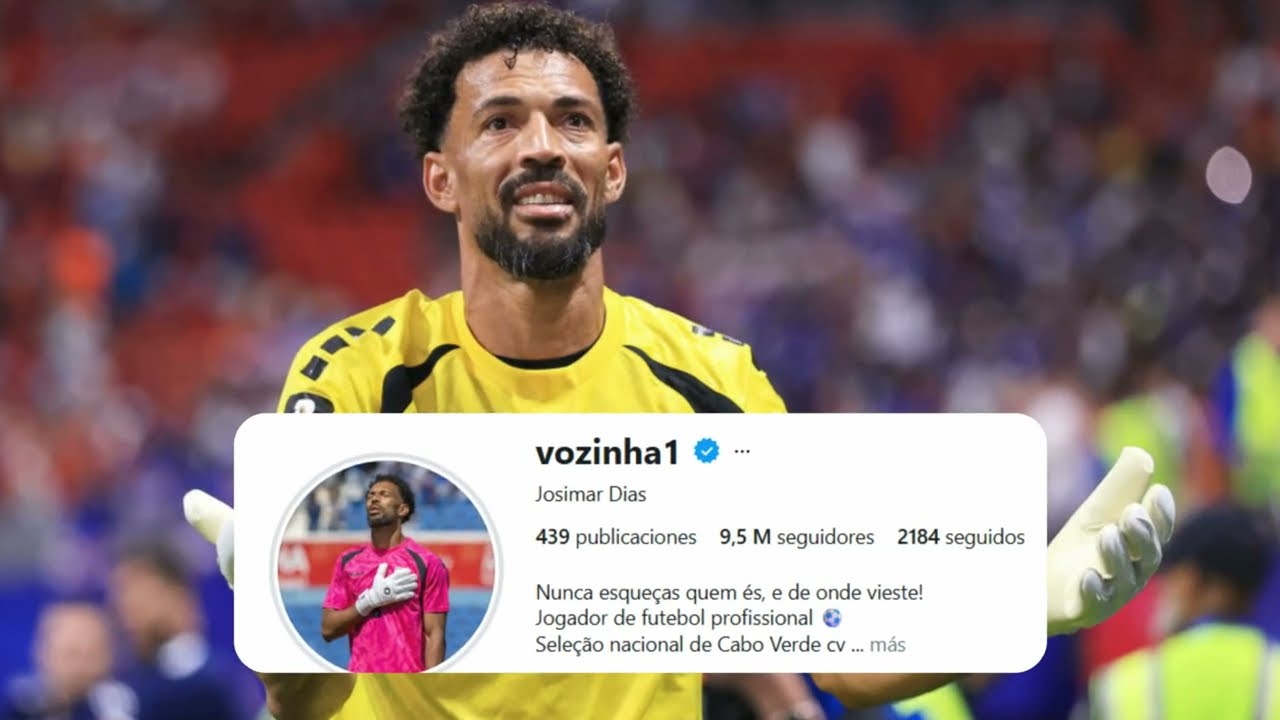
The power of social media often creates stars, but rarely does it do so with such authentic heart. Before the match, Vozinha had a respectable following of 50,000. By the time the world had finished processing his performance, that number had surged to over 9.5 million. But what resonated wasn’t the followers; it was the story. People saw a man who didn’t let the “train of recognition” pass him by, even at 40. He became a symbol for everyone who has ever worked in silence, waiting for their chance to shine.
Vozinha’s story reminds us that success is rarely a race won by those who start the fastest. It is a marathon that belongs to those who refuse to stop running. His performance against Spain wasn’t just a series of saves; it was a testament to the fact that it is never too late to be seen. Sometimes, you only need one night to prove what you have been building for a lifetime. As the World Cup continues, the world now knows his name—not just because he stopped a ball, but because he reminded us all that dreams have no expiration date.