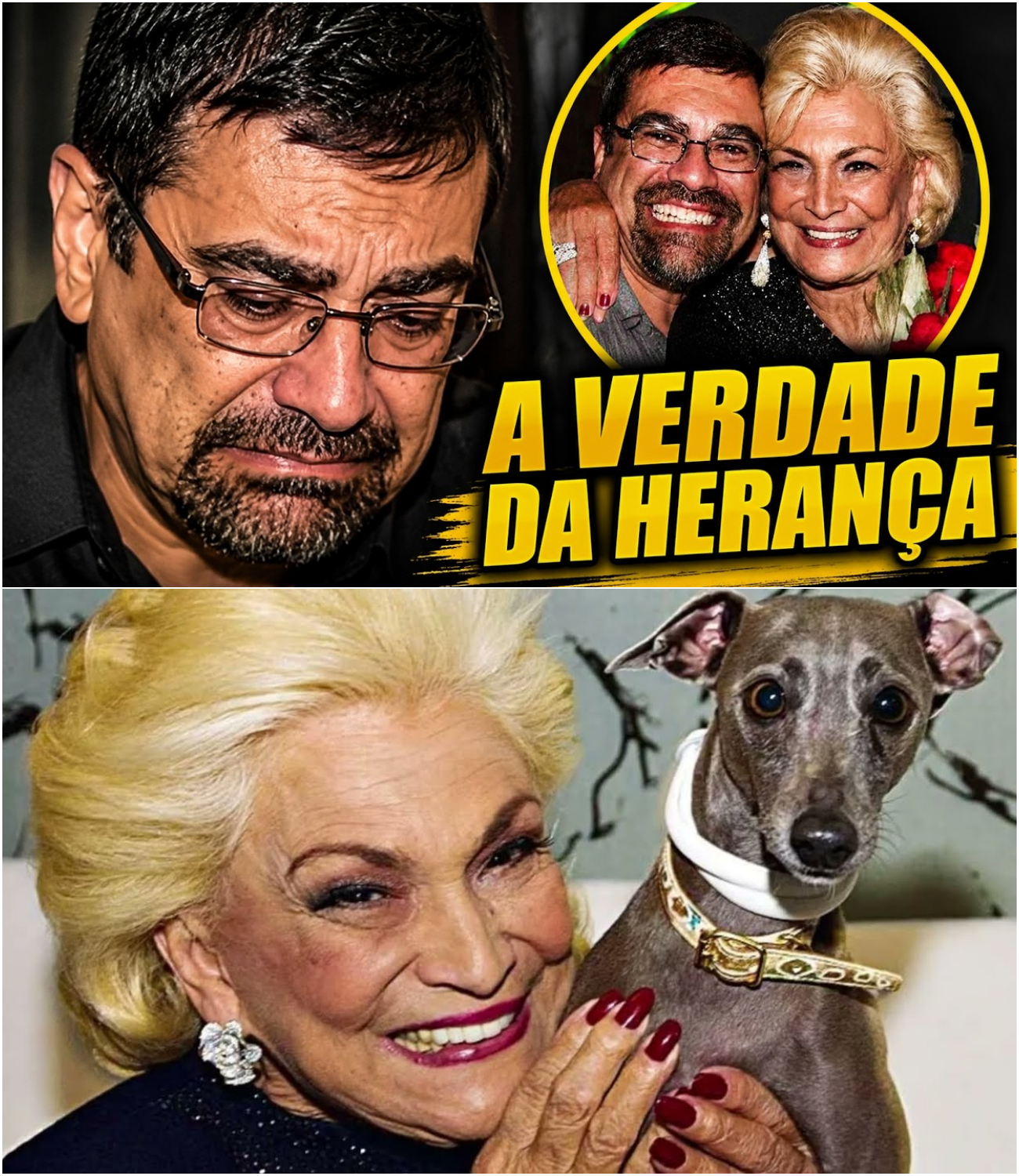
The modern celebrity interview is a carefully curated dance. For the star, it is an opportunity to promote a project, burnish an image, or connect with fans. For the journalist, it is a chance to dig for insights, create a headline, or bridge the gap between the public and the pedestal. Yet, this delicate choreography often collapses, revealing the raw, unfiltered humanity of those we put on screens. When the ego of a celebrity collides with the imprudence of an interviewer, the result is often chaos—a moment of televised truth where the script is thrown out and the composure of a star vanishes in an instant.
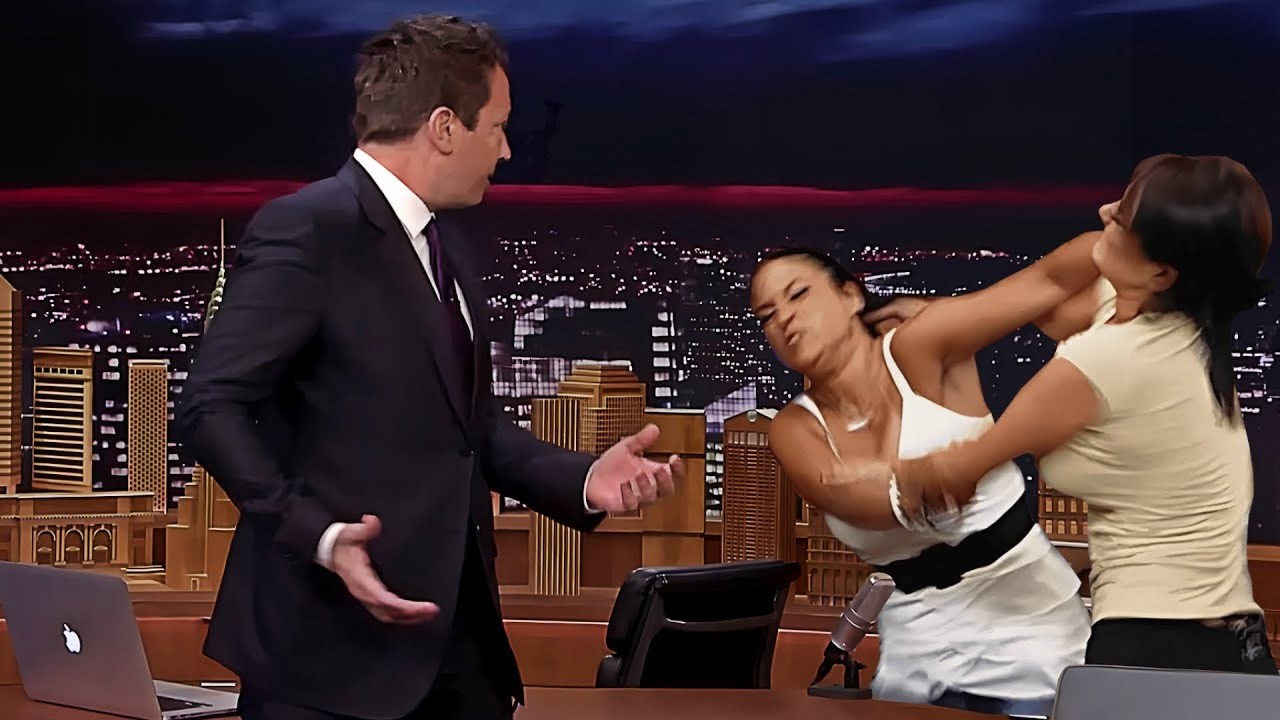
The Breaking Point
Why do these moments captivate us so completely? Perhaps it is because they break the illusion of the “perfect” star. We are accustomed to seeing celebrities in polished, scripted environments. When they lose control, we are suddenly witnessing a human being stripped of their PR training, reacting with raw anger, defensive pride, or profound exhaustion.
Consider figures like Diego Maradona, whose legendary career was as much defined by his outbursts as his prowess on the field. In 2010, faced with intense pressure as the manager of the Argentine national team, he didn’t just answer critics—he invited them to “suck it.” His confrontation with journalist Juan Carlos Pasman was not just a tantrum; it was a defiant, deeply polarizing expression of a man who refused to exist in the “grey” areas of public opinion. It was a moment that polarized millions, showcasing the volatile intersection of sports, national identity, and personal ego.
The Line Between Inquiry and Insult
Many of these explosive encounters arise when a journalist crosses the thin, often subjective line between a probing question and a personal attack. When Eduardo Yáñez, a veteran of Mexican telenovelas, slapped a reporter on a red carpet in 2017, the act was universally condemned. However, it highlighted a broader tension: the invasive nature of entertainment journalism that targets personal family secrets in the name of “the scoop.”
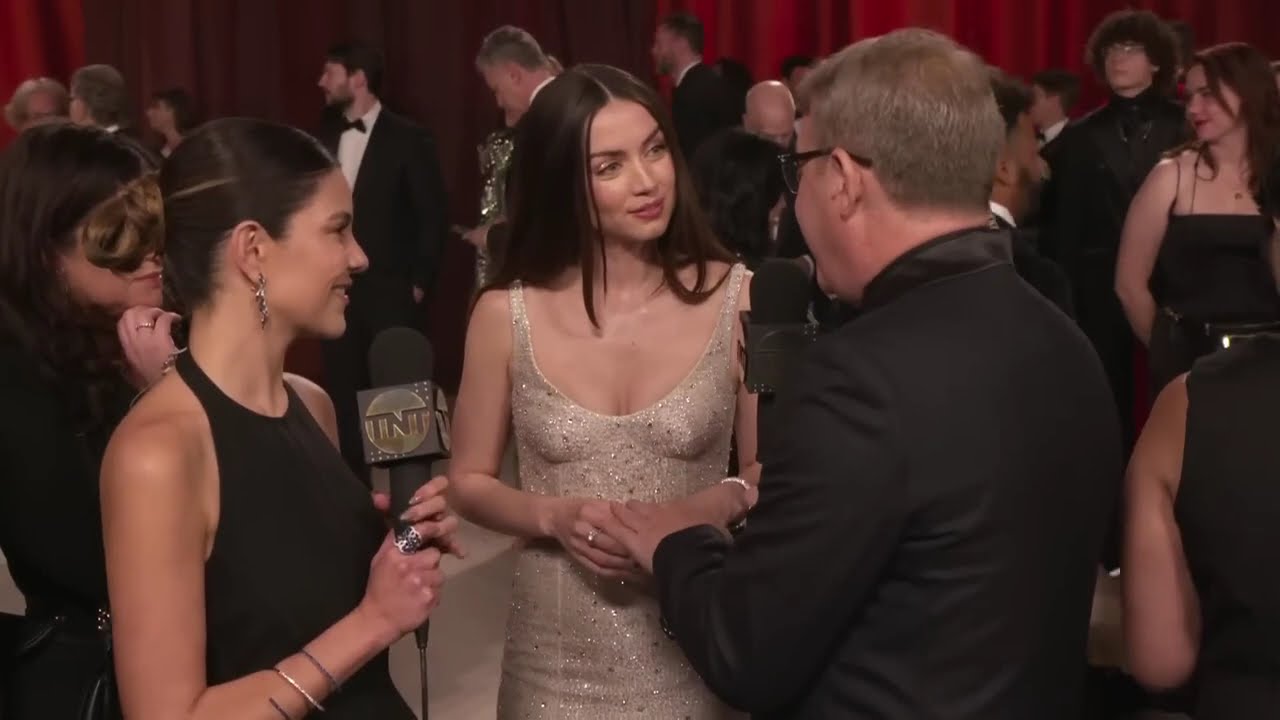
The incident with Ana de Armas, where a red-carpet interviewer made a condescending, sexist insinuation about her climb to fame, serves as a counterpoint. Rather than exploding in rage, de Armas maintained a steely, quiet dignity, correcting the reporter with calm, devastating precision. It was a masterclass in handling provocation, proving that while some celebrities lose control, others use those moments to expose the bias and impropriety of those holding the microphone.
The Culture of Confrontation
In the world of Latin American entertainment, confrontation is sometimes treated as a feature, not a bug. Figures like Alfredo Adame or Niurka Marcos have practically built careers on their ability to create friction. These are not merely PR disasters; they are performance art. When Niurka Marcos escorts a journalist out or erupts in a public spat, she is playing a role that her audience has come to expect. It is a feedback loop: the media seeks conflict, and the star provides it, resulting in moments of absolute madness that sustain their relevance in a crowded digital landscape.
Yet, there are others who treat their privacy as a fortress. The legendary Mexican performer Chabelo, who entertained generations of children, maintained a rigid separation between his persona and his private life. His refusal to play along with intrusive questioning wasn’t a meltdown; it was a boundary. When a reporter tried to pry into his holiday plans, his terse, freezing response served as a reminder that being a public figure does not require one to surrender their fundamental right to be left alone.
The Unforgettable Aftermath
Ultimately, these interviews linger in our memory because they humanize the icons we place on a pedestal. They show that fame is not a shield against frustration, fatigue, or the desire to defend one’s family. Whether it is a misunderstood question about human rights at the Qatar World Cup causing Maluma to walk away, or a sudden, unexplained exit by Justin Bieber when pressed about his autonomy, these moments are mirrors. They ask us to consider: how would we respond if a stranger, under the glare of a camera, demanded we justify our personal choices, our families, or our autonomy?
When the celebrity loses control, the mask slips. And while the result is often a scandalous headline, it is also a reminder that behind the cameras, the lights, and the millions of followers, there is always just a person—flawed, prone to anger, and very much capable of reaching a breaking point.